quiet storm is brewing across Japan’s industrial landscape. While macro-indicators like the Nikkei 225 continue to hit historic highs, corporate disclosures are sounding an urgent alarm: China’s targeted export controls on critical minerals are beginning to bite.
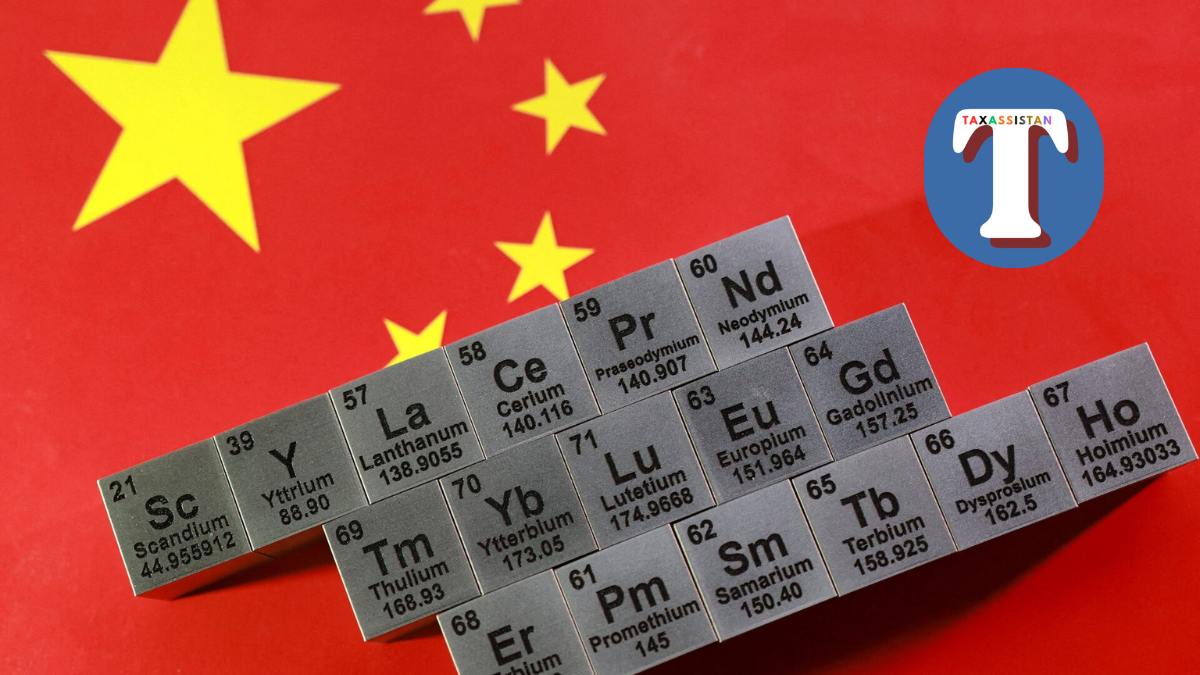
The freeze follows diplomatic friction triggered by Prime Minister Sanae Takaichi’s remarks regarding Taiwan. In response, Beijing throttled shipments of essential elements like terbium, dysprosium oxide, and yttrium—the lifeblood of modern magnets, electronics, and electric motor manufacturing.
Takeaways at a Glance
- The Supply Chokepoint: China controls roughly 70% of global rare-earth mining and over 90% of processing capacity. Months of near-zero shipments to Japan have forced companies to draw heavily on emergency stockpiles.
- Spike in Risk Disclosures: Filings with the Tokyo Stock Exchange citing rare-earth supply threats have doubled, spreading beyond heavy industrial players to medical device and consumer technology firms.
- The Long-Term GDP Risk: Economists warn that a prolonged embargo could inflict worse damage than the 2010 dispute, potentially shaving over 1% off Japan’s real GDP as AI and EV supply chains remain deeply dependent on refined oxides.
Corporate Vulnerability Matrix
| Company | Vulnerability Factor | Strategic Response |
| Citizen Watch | Uses rare earths in precision micro-motors. | Stockpiles currently absorbing the shock; warning investors of long-term operational risks if restrictions persist. |
| Omron | Procures medical components containing processed minerals. | Factoring supply chain disruption into broader geopolitical risk planning alongside global conflicts. |
The Policy Push: “Time vs. Immunity”
Tokyo is not standing still. Prime Minister Takaichi’s administration is pursuing a multi-pronged defense strategy:
- U.S.-Japan Bilateral Framework: Partnering with Washington on joint stockpiling and rapid-response supply sharing.
- G7 Stockpile Synchronization: Working within G7 commitments to limit single-source reliance to under 60% by 2030.
- Midstream Independence: Investing heavily in domestic recycling initiatives and deep-sea extraction exploratory projects in Japan’s EEZ.
The Bottom Line: While mining diversification has expanded outside China, processing and magnet manufacturing remain heavily concentrated in Chinese hands. Until third-country refining facilities come fully online, Corporate Japan remains in a race against time.
Sanae Takaichi Defies China Over Japan’s Rare Earth Dependence
This short video provides a quick visual summary of how Prime Minister Sanae Takaichi’s administration is pushing back against Beijing’s mineral supply chain pressure.
Beijing imposed dual-use export controls on critical minerals following diplomatic friction. The tensions escalated after Japanese Prime Minister Sanae Takaichi made firm statements regarding Japan’s commitment to Taiwan’s security, leading China to leverage its control over mineral supply chains.
The automotive sector (especially EVs), precision electronics, and medical device manufacturing face the most immediate risk. Essential heavy rare-earth elements like terbium and dysprosium are crucial for producing the high-temperature permanent magnets used in electric vehicle motors and defense technology.
In 2010, China implemented a brief two-month embargo over the Senkaku/Diaoyu Islands dispute, which cost Japan about 0.9% of its GDP. Today, the risk is higher (estimated by economic institutes to potentially shrink real GDP by 1.3%) because rare earths are far more deeply integrated into modern supply chains, including artificial intelligence, renewable energy, and advanced electric vehicles.
Bilateral Frameworks: Partnering with the U.S. and G7 allies on joint stockpiling, price-floor mechanisms, and supply coordination.
Recycling & Refining: Subsidizing domestic magnet recycling initiatives (e.g., Daikin and Shin-Etsu) and investing in overseas processing plants in France and Malaysia.
Exploratory Mining: Testing deep-sea mud extraction near Minamitorishima Island and partnering with alternative producing nations like Brazil and India.

Suresh holds a Master of Commerce (M.Com) degree and is a dedicated personal finance researcher and writer. Combining his advanced academic background in commerce with deep industry research, he covers complex topics like taxation, banking systems, credit analysis, and personal finance strategies. As the founder of Tax Assistant (taxassistant.org), Suresh is committed to translating complicated financial guidelines and economic data into simple, accurate, and actionable educational resources for everyday readers.