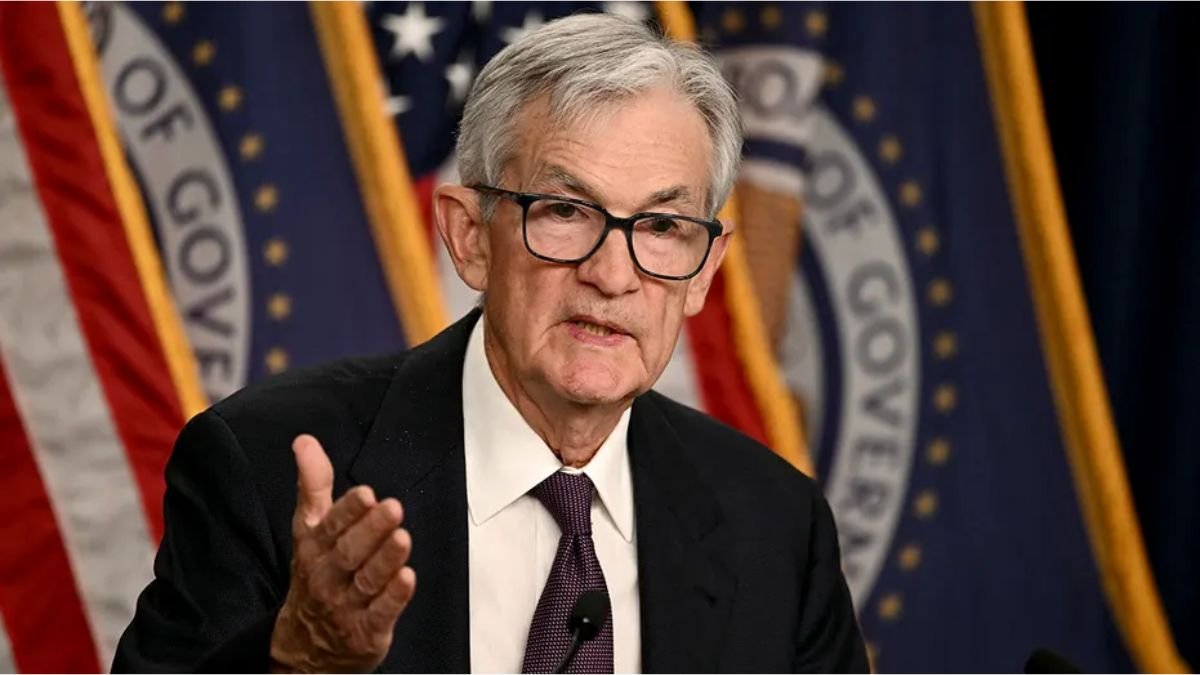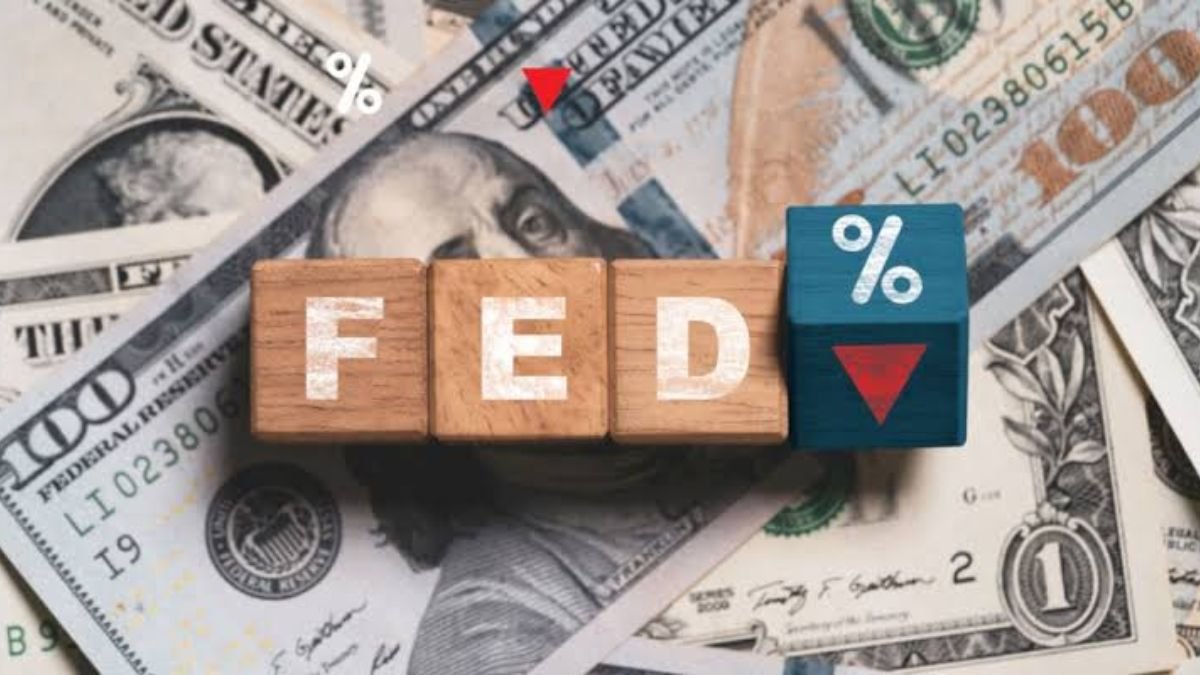
Today, the Federal Reserve increased its target interest rate by 25 basis points — its first rate hike in more than three years.
When the Fed changes interest rates, the impact reaches far beyond Wall Street. Higher rates can help savers earn more on their cash, while lower rates can make mortgages, car loans, and credit cards more affordable. But because every rate move creates both winners and losers, there’s no simple answer to whether high or low rates are best.
Understanding why the Fed raises and lowers rates — and how those decisions affect your money — can help you make smarter choices about saving and borrowing.
Why does the Federal Reserve control interest rates?
The Federal Reserve is mandated by Congress to promote stable prices and maximum employment within the U.S. economy. One of the tools it has at its disposal to achieve these goals is the federal funds rate.
During times of high inflation, for instance, the Fed will raise its federal funds rate, which is the rate banks charge each other for overnight loans to meet cash reserve requirements.
When the federal funds rate increases, financial institutions also increase interest rates on certain types of loans, such as credit cards, auto loans, personal loans, and, less directly, mortgages. They also increase the interest rates on their deposit products to expand their lending capacity. This makes it more expensive for Americans to borrow money, but it also means they can earn more on their savings balances.
On the other hand, if the Fed wants to stimulate economic growth, it will lower the federal funds rate. When this happens, loan interest rates also go down, encouraging borrowing and spending among consumers and businesses. The downside is that deposit accounts pay less interest, stunting savers’ ability to grow their savings.
Pros and cons of high interest rates
Depending on your situation, higher interest rates can either help or hurt your financial well-being. Here are some benefits and drawbacks to consider.
Pros
- Better savings rates: If you have a lot of cash in savings, you may benefit from higher rates. For example, high-yield savings accounts can offer rates roughly 10 times the national average (or even higher in some cases).
- No impact on existing fixed-rate loans: If you took out a loan with a fixed interest rate before market rates started to climb, your monthly payments won’t be impacted.
- Incentivizes financial discipline: Higher borrowing costs can help discourage taking on impulsive or unnecessary debt, prompting you to focus more on budgeting and saving.
Cons
- New loans are more expensive: If you take out a new loan when interest rates are elevated — whether it has a fixed or a variable interest rate — you’ll be charged a higher APR, even if you have excellent credit. This may translate into higher monthly payments, paying more in interest over the life of the loan, and/or having to take out a smaller loan to offset the increased costs.
- Tighter budget: Larger monthly payments on your loans and credit cards could put a strain on your budget, making it more difficult to cover your essential expenses and keep up with debt obligations.
- Other financial challenges: The Fed often increases interest rates during periods of inflation, which means that you could be struggling in other areas of your budget. Minimizing debt is crucial during these periods of economic turmoil.
Pros
- New loans are more affordable: If you take out a loan or credit card during a period of low interest rates, you can expect a lower monthly payment, which puts less of a strain on your budget. Plus, you’ll pay less in interest overall.
- Variable-rate loans may become cheaper: If you have a credit card or other type of variable-rate loan, your interest rate will typically start to come down soon after the Federal Reserve cuts interest rates. Lower payments can give your budget some more breathing room.
- Refinancing opportunities: If you took out a fixed-rate loan during a period of high interest rates, you may be able to refinance at a lower interest rate, reducing your monthly payment and saving on total interest charges.
Cons
- Savers won’t earn as much: With lower interest rates, you likely won’t earn much on your savings account, money market account, or certificate of deposit (CD).
- Possible strain on retirees: Those who rely on interest income from savings and bonds will see reduced returns, which could impact their ability to cover living expenses.
- Risk of inflation and asset bubbles: When interest rates are lower, spending generally increases, which could cause prices for goods and services to rise. Additionally, lower borrowing costs can lead to inflated prices for real estate and other assets.
The bottom line: Are high or low interest rates better?
There’s no right answer when it comes to whether a high or low interest rate environment is best. Ultimately, it depends on what is best for the current economic situation and your personal financial goals and needs.
Typically, low interest rates are best following an economic downturn when the Fed needs to stimulate economic activity. At the individual level, low interest rates are ideal if you’re interested in taking out a large loan (such as a mortgage) or could benefit from refinancing an existing high-interest loan.
On the other hand, high interest rates are good for managing inflation and stabilizing prices. If you’re trying to save more money and looking for low-risk ways to grow your wealth, higher interest rates can help too.
How to make the most of today’s interest rate environment
From September through December 2025, the Fed cut its target range for the federal funds rate three times. For most of 2026, however, the Fed held the federal funds rate steady as policymakers balanced a cooling labor market against inflation that remained above its 2% goal.
But inflation remained persistent in the wake of higher energy prices and other supply pressures. In its September 2026 meeting, the Fed decided to increase its target rate by 25 basis points to a range of 3.75%-4%.
So what does that mean for you and your money? Here are some steps you can take to make the most out of the current interest rate environment:
Open a high-yield savings account
If you don’t have a high-yield savings account, you may not be benefiting from elevated savings account rates. Although these rates will go down if the Fed decides to cut the federal funds rate again in the future, that’s unlikely to happen any time soon. And even in a low-rate environment, high-yield savings accounts remain one of the best options for earning the highest return possible on your savings.
Lock in a high rate with a CD
Unlike savings accounts, CDs allow you to lock in a guaranteed interest rate for a set period of time. CD terms can be anywhere from one month to several years in the future. However, be sure to choose a CD term that fits your savings timeline, as withdrawing your money before the maturity date will result in a penalty.
Minimize debt
When the inflation rate is still elevated and interest rates are trending back up, it’s important to minimize your expenses where possible so you can avoid taking on more debt than necessary.
Additionally, focus on paying off high-interest debts, such as credit cards, to improve your personal cash flow.
Most credit cards carry a variable Annual Percentage Rate (APR) that is directly tied to the Prime Rate, which moves in tandem with the Fed’s target rate. When the Fed raises rates by 0.25% (25 basis points), your credit card APR will typically increase by the same amount within one to two billing cycles, raising your monthly interest charges on unpaid balances.
When the Federal Reserve increases benchmark interest rates, it raises borrowing costs for financial institutions. To expand their capital reserves and attract more customer deposits to fund higher-interest loans, banks increase the yields offered on savings accounts, Certificates of Deposit (CDs), and money market accounts.
No. If you already have a fixed-rate loan—such as a 30-year fixed mortgage or a fixed-rate auto loan—your interest rate and monthly payment remain locked in for the duration of the loan term. Benchmark rate changes only apply to new loans or variable-rate debt (such as Adjustable-Rate Mortgages or HELOCs).
High Interest Rates: Ideal for savers looking to earn higher yields on low-risk cash reserves (like HYSAs or CDs), but expensive for borrowers taking out new loans or carrying credit card debt.
Low Interest Rates: Ideal for borrowers looking to purchase homes, finance vehicles, or refinance high-interest debt at lower rates, but challenging for savers relying on interest income from bank deposits or fixed-income assets.
Locking in a high-yield CD after a rate hike can be an effective strategy if you have extra cash you won’t need immediate access to. It allows you to secure peak interest rates for a fixed term (e.g., 12 to 36 months), protecting your earnings even if the Federal Reserve decides to cut benchmark rates in the future.

Manoj Sharma is a Senior Writer on the banking team at Tax Assistant. He provides information on budgeting, bank accounts, the banking industry, and other related topics. Using original data and methodologies, he helps you identify the best financial institutions, accounts, and products tailored to your needs. Manoj holds a degree in Journalism and Political Science from Syracuse University. All articles are strictly reviewed and fact-checked by our panel of expert Chartered Accountants, including CA Devendra Saini, CA Nikhil Khunteta, and CA Ankit Goyal