The “reckoning” currently sweeping through the Texas restaurant scene is no longer a quiet concern—it is a full-scale operational emergency. As of April 2026, the collision of a surging state population and aggressive federal immigration enforcement has left the industry at a crossroads.
The Numbers Behind the Shortage
- The Vacancy Gap: According to the Texas Restaurant Association, 47% of operators are currently struggling to fill essential roles, from line cooks to front-of-house staff.
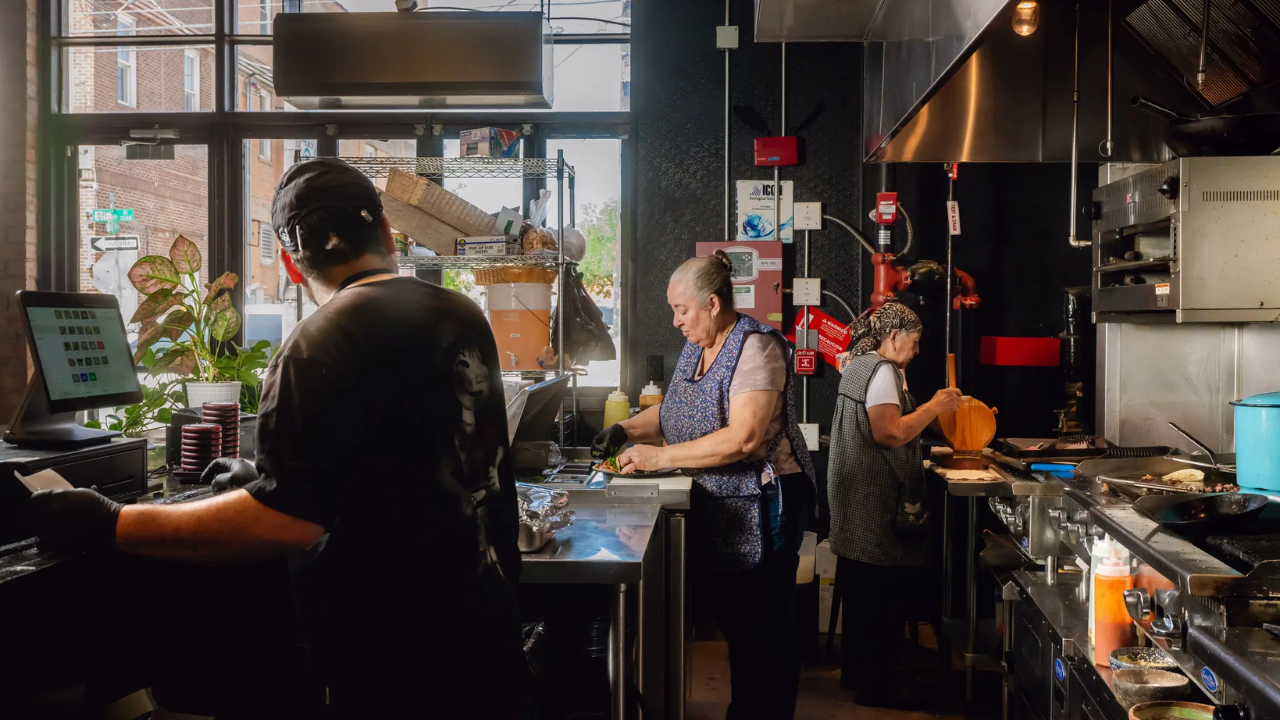
- Operational Contraction: Over half of surveyed owners report that employees are frequently missing shifts due to fear of raids, forcing many establishments to slash operating hours or simplify menus to survive.
- Consumer Pullback: In immigrant-heavy districts, some restaurants have seen foot traffic plummet by up to 45%, as communities retreat from public spaces to avoid enforcement risk.
A Perfect Storm of Costs
This labor instability is hitting at the worst possible moment for the industry’s bottom line:
- Vanishing Margins: The median profit margin for full-service Texas restaurants has squeezed down to 2.8%, a significant drop from pre-2020 levels.
- The Price Surge: Overall food costs have spiked by 37% since 2020, compounded by rising insurance and energy premiums.
- Trade Uncertainty: With the USMCA up for its 2026 review, operators are bracing for potential tariffs on imported goods that could further drive up the cost of basic ingredients.
The Push for Reform
Industry leaders are shifting their stance, moving past general calls for border security toward a demand for functional, long-term policy solutions. The focus for 2026 has centered on three primary goals:
- Workforce Preservation: Implementing protections for existing staff to stabilize current operations.
- Visa Modernization: Overhauling the H-2B and EB-3 visa systems to create legal, year-round pathways for hospitality workers.
- Economic Realism: Aligning immigration policy with the actual labor demands of the U.S.’s fastest-growing economy.
The Bottom Line: For Texas restaurateurs, the reckoning is a reality check: the state’s economic engine cannot run at full speed if the workers fueling it are forced into the exit.

Suresh holds a Master of Commerce (M.Com) degree and is a dedicated personal finance researcher and writer. Combining his advanced academic background in commerce with deep industry research, he covers complex topics like taxation, banking systems, credit analysis, and personal finance strategies. As the founder of Tax Assistant (taxassistant.org), Suresh is committed to translating complicated financial guidelines and economic data into simple, accurate, and actionable educational resources for everyday readers.