The FOMC began a new interest rate cycle, raising the federal funds rate a quarter point on Sept. 16. Wall Street traders expect at least one more rate increase before the end of 2026.
The federal funds rate. The Fed. The FOMC. No doubt you’ve heard and read these terms before. But what do they mean? How does this impact your financial life?
What is the federal funds rate?
The federal funds rate is the interest rate the government sets for one bank to charge another bank for ultra-short-term loans, usually just overnight. It’s actually an interest rate range. Banks negotiate a specific rate with each other within that range set by the Federal Reserve.
The current federal funds rate is now 3.75% to 4.00%.
The history of fed funds rate increases and declines over the past five years looks like a small mountain with a steep ascent, a flat peak, and a gentle decline. With the latest increase, there’s now an abrupt, but short tail.
After years of interest rates at zero, the Fed began raising the fed funds target in March 2022. After 11 rate hikes, some of them jumbo increases of 0.75%, the Fed settled at 5.25% in July 2023.
The fed funds rate held firm until Sept. 2024, when the Fed reversed course and initiated the first half-point cut. After two more quarter-point decreases, by December, the federal funds rate was frozen at 4.25% until Sept. 2025, when the Fed launched the first of three rate cuts for the year.
Since then, rates were unchanged until the first hike in Sept. 2026.
Historical federal funds rate changes
| Date | Rate change | Federal funds rate |
|---|---|---|
| September 16, 2026 | 0.25 | 3.75%-4.00% |
| December 10, 2025 | -0.25 | 3.50%-3.75% |
| October 29, 2025 | -0.25 | 3.75%-4.00% |
| September 17, 2025 | -0.25 | 4.00%-4.25% |
| December 18, 2024 | -0.25 | 4.25%-4.50% |
| November 7, 2024 | -0.25 | 4.50%-4.75% |
| September 18, 2024 | -0.50 | 4.75%-5.00% |
Want more context? Here are some additional details.
The federal government used to require banks to hold a certain percentage of their deposits in cash as a reserve. That ended in 2020.
When banks were required to have reserves, those funds were held in the U.S. Federal Reserve System, often called “the central bank” or just “the Fed.” There are 12 Federal Reserve banks across the nation.
Today, banks still hold money at the Fed, but for a different reason: to manage the flow of enormous sums of cash day to day. For example, when a bank moves a great deal of money and needs some extra liquidity, it can borrow the cash from another financial institution through the Federal Reserve System.
Now, here’s why all of this matters to those of us who aren’t bankers.
Who decides the federal funds rate?
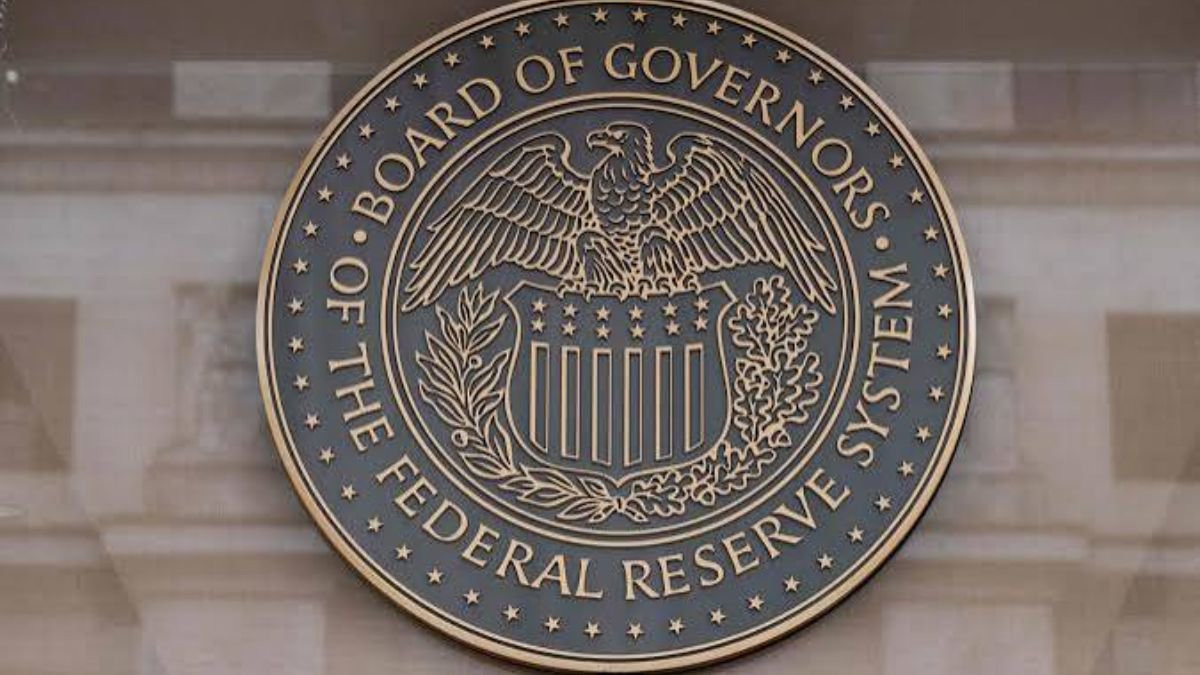
The U.S. central bank — the Federal Reserve — has a committee that meets eight times a year to set the target range that banks will use to borrow from each other. It’s called the Federal Open Market Committee.
At these meetings, the FOMC decides whether to raise, lower, or keep that interest rate the same.
Even a rate pause makes financial news headlines.
Why does the Fed adjust the federal funds rate?
The Fed makes these interest rate decisions to adjust the U.S. economy and manage consumer costs. Higher prices on groceries, gas, and most everything else is called inflation.
By raising interest rates, the Fed makes borrowing money more expensive. As a result, the economy is expected to slow, and with it, the inflation rate will ease.
If the economy needs a boost, the Fed decreases interest rates.
If the economic outlook is unclear, the Fed waits.
How does the federal funds rate affect me?
Those interest rate changes at the very top rung of the financial pyramid trickle all the way down through the banking industry. Since banks pay interest to borrow from each other, they use that baseline cost to set their interest rates for consumers.
Everything is impacted:
- Interest paid on savings and money market accounts
- Interest paid on high-yield savings accounts
- Interest paid on certificates of deposit
- Interest charged on credit cards
- Interest charged on loans, such as student and auto loans
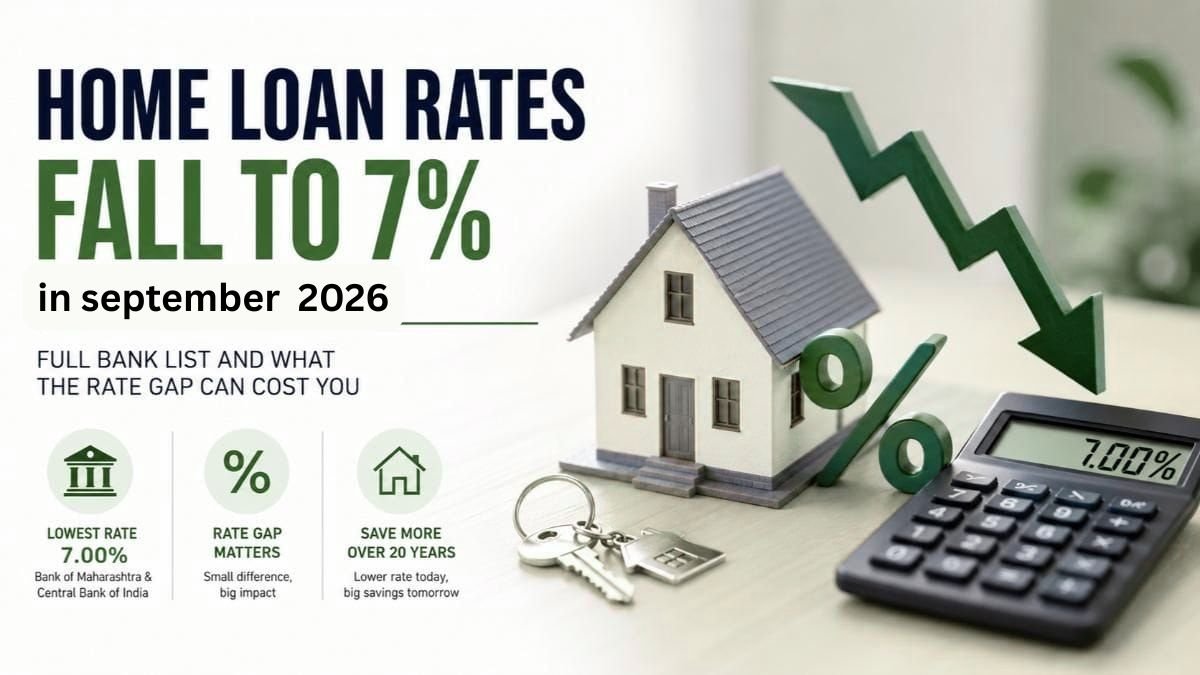
The federal funds rate does not directly impact mortgage rates, but Fed interest rate moves do influence Treasury bonds and the bond market as a whole. So, a rising or falling fed funds rate will give you an idea of how home loan rates will likely move.
So now that you’re pretty much a monetary policy expert, when someone asks your group over coffee, “What’s up with the fed funds rate?” you can take it.
The federal funds rate is the baseline interest rate at which commercial banks lend cash reserve balances to each other overnight. It is set by the Federal Open Market Committee (FOMC)—a policy-making body within the Federal Reserve (the U.S. central bank)—which meets eight times a year to adjust the target rate range based on economic conditions.
After holding rates steady following previous cuts, the Fed initiated a quarter-point rate increase (bringing the target range to 3.75%–4.00%) to combat persistent inflation and cool down economic price pressures. Raising the baseline rate makes borrowing more expensive, which slows down spending across the economy to help bring prices back under control.
Consumer interest rates trickle down from the federal funds rate. When the Fed raises rates, the Prime Rate moves up in tandem:
Credit Cards & HELOCs: Rates are typically variable, meaning your borrowing APR and monthly minimum payments will increase within 1–2 billing cycles.
Auto & Personal Loans: New loans will carry higher fixed or variable interest rates, making future purchases more expensive to finance. Existing fixed-rate loans remain unchanged.
No, not directly. The Fed rate affects short-term overnight bank borrowing, whereas fixed 30-year mortgage rates closely follow the yield on 10-Year U.S. Treasury bonds. However, because Fed policy influences overall bond market expectations, higher fed funds rates generally push long-term mortgage rates upward over time.
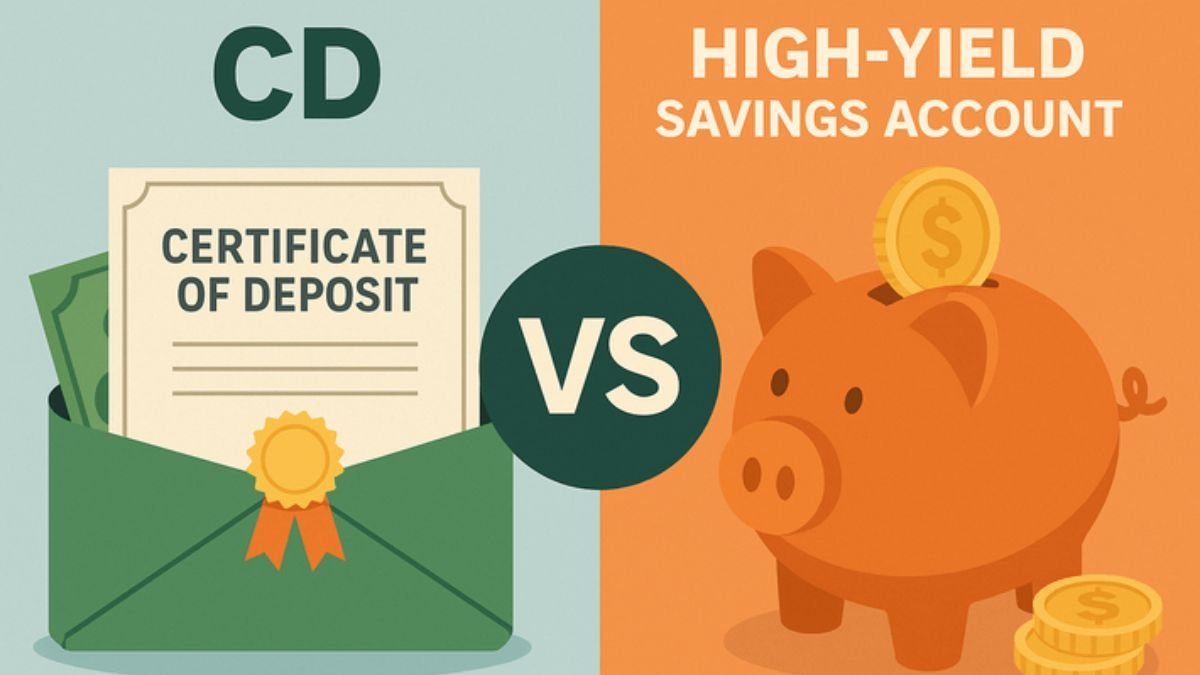
A higher federal funds rate is generally good news for savers. As commercial banks pay more to borrow from one another, online banks and financial institutions often raise their Annual Percentage Yields (APYs) on high-yield savings accounts (HYSAs), money market accounts, and Certificates of Deposit (CDs) to attract consumer cash deposits.

Manoj Sharma is a Senior Writer on the banking team at Tax Assistant. He provides information on budgeting, bank accounts, the banking industry, and other related topics. Using original data and methodologies, he helps you identify the best financial institutions, accounts, and products tailored to your needs. Manoj holds a degree in Journalism and Political Science from Syracuse University. All articles are strictly reviewed and fact-checked by our panel of expert Chartered Accountants, including CA Devendra Saini, CA Nikhil Khunteta, and CA Ankit Goyal