The U.S. State Department has cleared a massive $17 billion arms package for Gulf nations, a move designed to replenish regional interceptor inventories that have been pushed to the brink by recent conflict.
This surge in sales highlights a growing tension: while the deals provide a necessary defensive shield for allies, they add significant pressure to a U.S. defense industrial base already struggling to keep pace with global demand.
Breakdown of the Sales
The latest approvals focus heavily on sophisticated air defense and surveillance, ensuring that regional partners can counter long-range threats.
- Kuwait ($8 Billion): The lion’s share of the deal is directed toward advanced sensor radars and battle management systems to modernize their integrated air defense.
- The UAE ($6.6 Billion): Funding is split between long-range discrimination radars for their THAAD systems and a critical influx of counter-drone technologies.
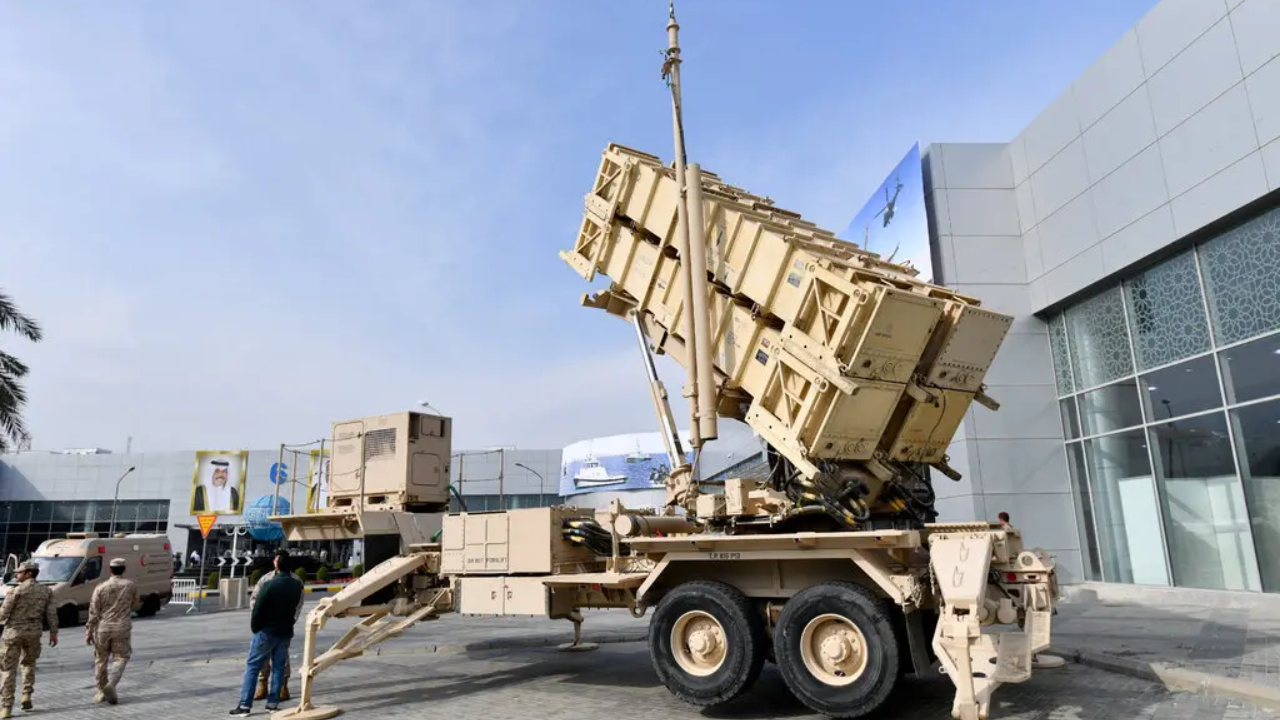
- Qatar ($4 Billion): A major acquisition of Patriot (PAC-3) missiles to restock launchers that saw heavy usage during recent escalations.
The Readiness Gap
The urgency of these sales is underscored by the rapid expenditure of munitions. Reports indicate that some Gulf allies have depleted nearly 75% of their interceptor stockpiles in just the last few months.
However, the U.S. faces its own “stockpile stress.” With over 1,200 Patriot missiles and 1,000 Tomahawks expended by American forces in recent operations, the Pentagon is racing to increase production capacity. The use of emergency authorities to bypass Congressional review reflects a strategic reality: in the current landscape, the speed of replenishment is as vital as the technology itself.

Suresh holds a Master of Commerce (M.Com) degree and is a dedicated personal finance researcher and writer. Combining his advanced academic background in commerce with deep industry research, he covers complex topics like taxation, banking systems, credit analysis, and personal finance strategies. As the founder of Tax Assistant (taxassistant.org), Suresh is committed to translating complicated financial guidelines and economic data into simple, accurate, and actionable educational resources for everyday readers.