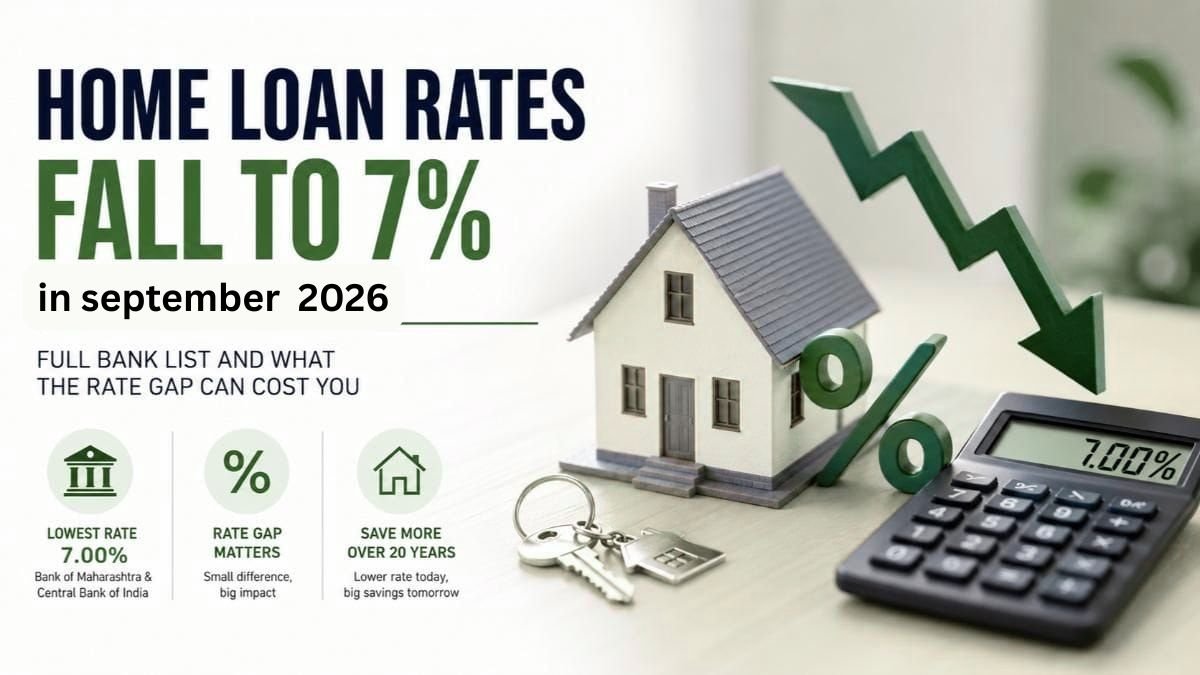
According to average rates from the Zillow lender marketplace, mortgage rates are lower headed into the weekend.
The current 30-year fixed rate today, Saturday, September 19, 2026, fell by 1 basis point to 7.04%, the 20-year fixed rate fell 10 basis points to 6.82%, and the 5/1 ARM fell by 10 basis points to 7.04%.
Today’s mortgage rates
Here are the current mortgage rates today, Saturday, September 19, 2026, according to the latest Zillow data:
- 30-year fixed: 7.04%
- 20-year fixed: 6.82%
- 15-year fixed: 6.56%
- 5/1 ARM: 7.04%
- 7/1 ARM: 6.51%
- 30-year VA: 6.48%
- 15-year VA: 6.12%
- 5/1 VA: 6.34%
Remember, these are the national averages and are rounded to the nearest hundredth.
Today’s mortgage refinance rates
These are today’s mortgage refinance rates, Saturday, September 19, 2026, according to the latest Zillow data:
- 30-year fixed: 7.01%
- 20-year fixed: 6.78%
- 15-year fixed: 6.42%
- 5/1 ARM: 7.04%
- 7/1 ARM: 6.67%
- 30-year VA: 6.69%
- 15-year VA: 6.73%
- 5/1 VA: 5.84%
Again, the numbers provided are national averages rounded to the nearest hundredth. Mortgage refinance rates are often higher than rates when you buy a house, although that’s not always the case.
Free mortgage calculator
Use the mortgage calculator below to see how today’s interest rates would affect your monthly mortgage payments.
Calculate Your Monthly Payment
You can bookmark the tax assistant mortgage payment calculator and keep it handy for future use, as you shop for homes and the best mortgage lenders. You also have the option to enter costs for private mortgage insurance (PMI) and homeowners' association dues, if applicable. These details result in a more accurate monthly payment estimate than if you simply calculated your mortgage principal and interest.
30-year fixed mortgage rates: Pros and cons
There are two main advantages to a 30-year fixed mortgage: Your payments are lower, and your monthly payments are predictable.
A 30-year fixed-rate mortgage has relatively low monthly payments because you're spreading your repayment out over a longer period of time than with, say, a 15-year mortgage. Your payments are predictable because, unlike with an adjustable-rate mortgage (ARM), your rate isn't going to change from year to year. Most years, the only things that might affect your monthly payment are any changes to your homeowners insurance or property taxes.
The main disadvantage of 30-year fixed mortgage rates is the mortgage interest, both in the short and long term.
A 30-year fixed term comes with a higher rate than a shorter fixed term, and it's higher than the intro rate to a 30-year ARM. The higher your rate, the higher your monthly payment. You'll also pay much more in interest over the life of your loan due to both the higher rate and the longer term.
15-year fixed mortgage rates: Pros and cons
The pros and cons of 15-year fixed mortgage rates are basically swapped with those of the 30-year rates. Yes, your monthly payments will still be predictable, but another advantage is that shorter terms come with lower interest rates. Not to mention, you'll pay off your mortgage 15 years sooner. So you could save hundreds of thousands of dollars in interest over the life of your loan.
However, because you're paying off the same amount in half the time, your monthly payments will be higher than if you choose a 30-year term.
Adjustable mortgage rates: Pros and cons
Adjustable-rate mortgages lock in your rate for a predetermined period, then adjust it periodically. For example, with a 5/1 ARM, your rate stays the same for the first five years and then goes up or down once per year for the remaining 25 years.
The main advantage is that the introductory rate is usually lower than what you'll get with a 30-year fixed rate, so your monthly payments will be lower. (Current average rates might not necessarily reflect this, though — in some cases, fixed rates are actually lower. Talk to your lender before deciding between a fixed or adjustable rate.)
With an ARM, you have no idea what mortgage rates will be like once the intro-rate period ends, so you risk your rate increasing later. This could ultimately end up costing more, and your monthly payments are unpredictable from year to year.
But if you plan to move before the intro-rate period is over, you could reap the benefits of a low rate without risking a rate increase down the road.
Is now a good time to buy a house?
First of all, now is a good time to buy a house compared to a couple of years ago. Home prices aren't spiking like they were during the height of the COVID-19 pandemic. So, if you want or need to buy a house soon, you should feel pretty good about the current housing market.
Plus, despite the recent uptick, mortgage rates are lower than they were this time last year.
The best time to buy is typically whenever it makes sense for your stage of life. Trying to time the real estate market can be as futile as timing the stock market — buy when it's the right time for you.
Mortgage rates fluctuate daily based on broader financial markets, primarily shifting bond yields (such as the 10-year Treasury yield). When bond yields ease due to economic data, investor sentiment, or inflation updates, mortgage rates often pull back slightly as well.
It depends on your current interest rate:
Current Rate Above 7.5%: Refinancing to a rate in the mid-to-high 6% range (or a 15-year fixed loan around 6.4%) could yield noticeable monthly savings.
Locked in Below 6%: If you purchased or refinanced during the historically low-rate period in 2020–2021, keeping your existing loan is likely much more cost-effective.
15-year fixed-rate mortgages typically average about 60 to 70 basis points lower than 30-year fixed loans (e.g., 6.49% vs. 7.12%). While a 15-year loan results in higher monthly principal payments due to the shorter term, it significantly reduces the overall interest paid over the life of the loan.
Interest Rate: The baseline percentage charged by the lender to borrow the money.
APR (Annual Percentage Rate): A broader measure of the total cost of borrowing, which incorporates the interest rate plus upfront fees, points, and lender charges. The APR gives a clearer picture of the true annual cost of the loan.
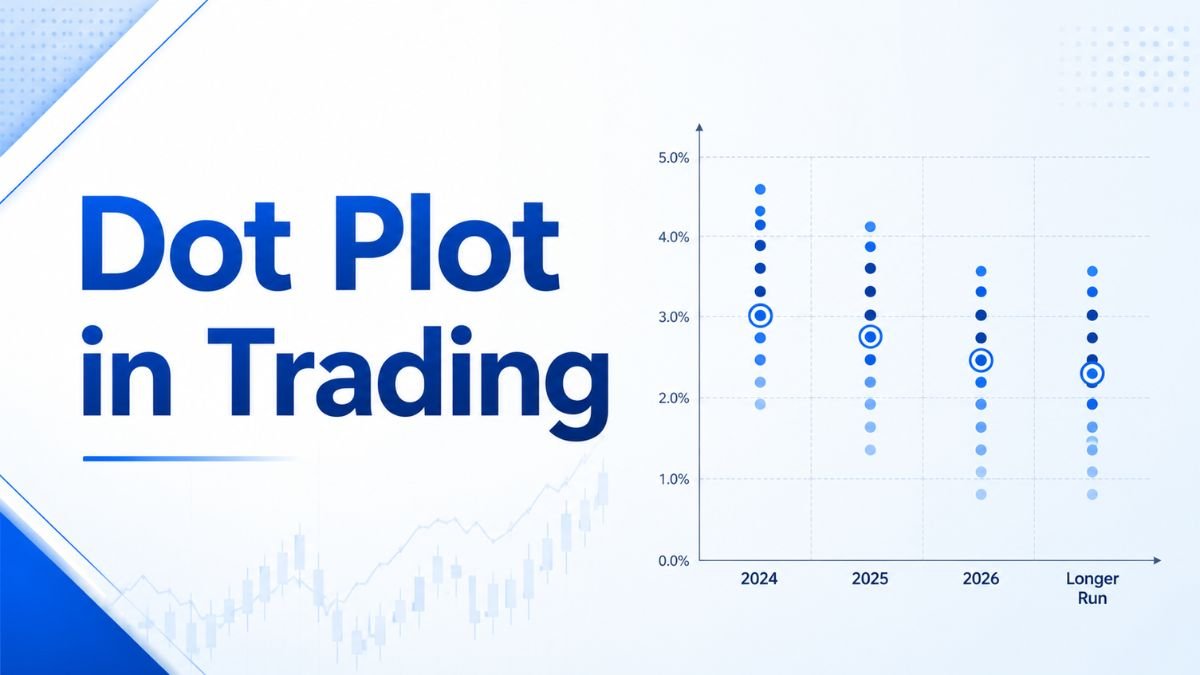
Mortgage rates depend heavily on Federal Reserve policy, inflation benchmarks, and overall economic performance. While minor weekend or daily drops occur, sustained long-term drops generally require consistent cool-downs in inflation and broader economic indicators. Comparing quotes across multiple lenders is the best way to secure the most competitive rate available today.

Manoj Sharma is a Senior Writer on the banking team at Tax Assistant. He provides information on budgeting, bank accounts, the banking industry, and other related topics. Using original data and methodologies, he helps you identify the best financial institutions, accounts, and products tailored to your needs. Manoj holds a degree in Journalism and Political Science from Syracuse University. All articles are strictly reviewed and fact-checked by our panel of expert Chartered Accountants, including CA Devendra Saini, CA Nikhil Khunteta, and CA Ankit Goyal