Opening a savings account for a child can help them build good money habits while giving their savings a safe place to grow. But because minors generally can’t open bank accounts on their own, a parent or guardian will usually need to help. Here’s how to open a savings account for a child, what you’ll need, and how to choose the right account.
How to open a savings account for a child
You must follow the right steps if you want to open savings account for your child. Much of the process is similar to opening a savings account for yourself, with some additional considerations.
Keep in mind that banks often require a parent or legal guardian to be present when opening a savings account for a child.
1. Choose the right bank
Start by choosing the right bank for your child’s bank account. A simple and convenient option is to open an account where you do your own banking.
However, some banks offer accounts with special features for children’s accounts. These might include low fees or minimum balance requirements, educational resources, or parental controls. So be sure to shop around and find out which banks are offering the best savings accounts for kids.
2. Gather documents
You should have documentation with you when opening a savings account to help the process go smoothly.
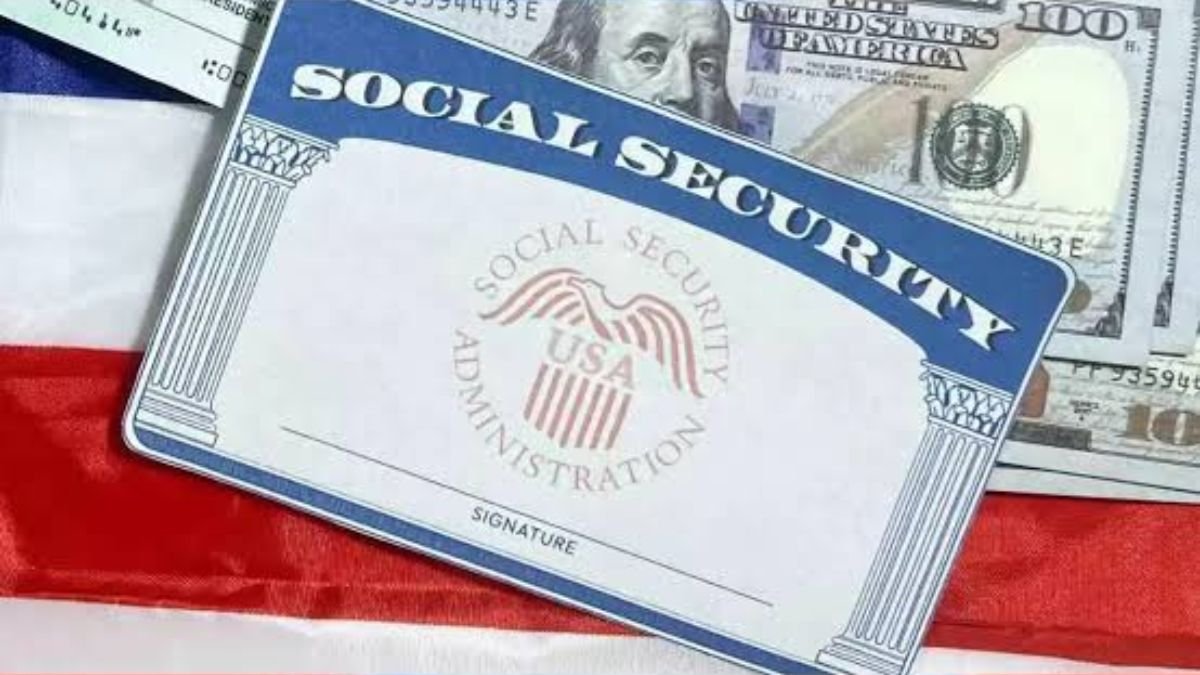
If you are the parent or legal guardian, bring a government-issued photo ID, such as a driver’s license, state ID, or passport. The child should also have ID, which could be their Social Security card, birth certificate, or passport. You may also need to provide proof of address, such as a utility bill or bank statement, to confirm the parent or guardian’s address.
3. Visit the bank or apply online
The next step is to open the savings account. Some banks might allow you to open a savings account for a child online, but banks with branches may require you to open the account in person. If you must open the account in person, a parent or legal guardian should be there with the child. Ask a bank teller to help, and they will guide you through the process.
4. Fund the account
If the bank requires a minimum deposit, you must fund the account when opening it. Minimum deposit requirements vary by bank, and online banks often don’t require them. However, if your bank of choice requires a deposit, it can come from the child’s personal savings or a transfer from your account.
5. Set up parent controls
Savings accounts for minors often have parental control features. For instance, it might allow you to set a spending limit, set up bank alerts for certain transactions, and monitor the child’s account. These features are optional but allow you to protect the child and help keep their account safe.
Types of savings accounts for kids
While children can have traditional savings accounts, there are specific savings accounts designed for minors. There are two basic variations of children’s savings accounts, which are custodial accounts and joint accounts. Here’s how they differ:
- Custodial accounts: This includes accounts such as 529 plans, UTMAs, and UGMAs. The parent or legal guardian opens these accounts and manages them on behalf of the child. When the child turns 18, they take ownership of the account.
- Joint accounts: Both the child and the parent or legal guardian are joint account holders. Both have access to the account, but it still might have parental controls that allow parents to set limits for the child. These accounts may transfer to the child when they turn 18, but it varies by bank account.
Of course, there are pros and cons to either approach. Custodial accounts give parents and guardians control of the account, while joint accounts give children some control (while still allowing for parental management). Which account type is the better choice depends on the child, their age, and your relationship with them.
Using a savings account to teach kids about money
Savings accounts are convenient places to keep extra cash and potentially earn interest, helping your child grow a healthy nest egg by the time they become an adult. However, savings accounts can also be helpful tools for teaching kids about money.
A great place to start is by teaching your child about the concept of saving. For instance, you can explain to them that they can use a savings account to save up for something they want, such as a toy or an activity. You can then take the concept further and go into compound interest, explaining how that can help them reach their goals more quickly.
Another angle is showing how budgeting can also help them reach their goals. Explain to them that tracking the money they receive, such as an allowance or gifts, as well as how they spend that money, can help them plan for extra funds to add to their savings account.
Finally, you can teach financial responsibility and help them save for longer-term goals, whether it’s saving up for a video game system, a bicycle, or even college. Explain the importance of regularly contributing to those savings goals over time in order to achieve them.
There are many lessons a child can learn with a savings account. By having their own account, they will have a vested interest and may be more engaged in their own savings journey.
A: The primary difference lies in control and ownership. In a joint account, both the parent and child share ownership, giving the child direct access to money (making it ideal for daily spending or allowance). A custodial account (UGMA/UTMA) is strictly owned by the child but fully managed by the parent; the child cannot access the funds until they reach the age of majority (usually 18 or 21).
A: You will typically need:
For the parent/guardian: A government-issued photo ID (driver’s license, passport) and Social Security Number (SSN).
For the child: Social Security card, birth certificate, or passport.
Proof of address: A recent utility bill or bank statement confirming the parent’s address.
A: Yes, but with strict legal limitations. Any funds withdrawn from a custodial account (UGMA/UTMA) must be used solely for the direct benefit of the child (e.g., educational expenses, medical needs, or extracurricular activities). Parents cannot withdraw money for personal use or basic parental obligation expenses like food and standard housing.
Q4: How does a child’s savings account affect college financial aid (FAFSA)? A: Account type matters significantly:
Custodial Accounts: Counted as the child’s asset, which can reduce financial aid eligibility by up to 20% of the account value.
Joint Accounts: Generally counted under the parent’s assets, which has a much lower impact on aid eligibility (around 5.64%).
A: For joint accounts, full ownership typically transitions when the child turns 18, though parents can adjust or remove themselves depending on bank policies. For custodial accounts, legal ownership automatically transfers entirely to the child when they reach the state’s required age of majority—usually 18 or 21.

Manoj Sharma is a Senior Writer on the banking team at Tax Assistant. He provides information on budgeting, bank accounts, the banking industry, and other related topics. Using original data and methodologies, he helps you identify the best financial institutions, accounts, and products tailored to your needs. Manoj holds a degree in Journalism and Political Science from Syracuse University. All articles are strictly reviewed and fact-checked by our panel of expert Chartered Accountants, including CA Devendra Saini, CA Nikhil Khunteta, and CA Ankit Goyal