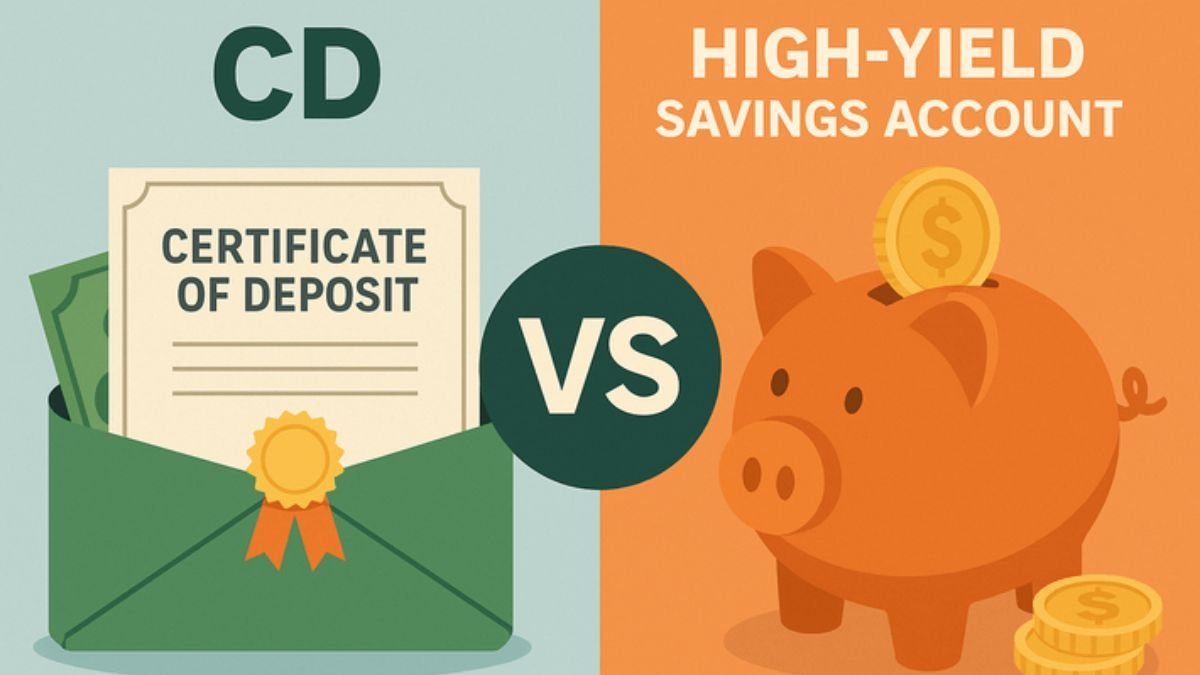
A traditional Certificate of Deposit (CD) asks for a lump sum upfront and keeps it locked away for a set term in exchange for a fixed interest rate. An add-on CD (sometimes called an “add-to CD”) breaks that rule by allowing you to keep making deposits throughout the CD’s term.
While that extra flexibility sounds great for building savings over time, add-on CDs come with trade-offs you should consider before opening one.
How Does an Add-On CD Work?
Add-on CDs share most of the standard features of a regular CD:
- Fixed Interest Rate: Your yield won’t drop during the term.
- Guaranteed Returns: You know exactly how much interest you will earn.
- FDIC/NCUA Insurance: Covered up to $250,000 per depositor, per institution.
- Early Withdrawal Penalties: Withdrawing funds before maturity still incurs a fee.
The Big Differences:
- Ongoing Deposits: You can add cash periodically (often monthly), though some banks set limits or mandatory recurring deposit schedules.
- Lower Opening Minimums: Many add-on CDs can be opened with as little as $100, compared to the $500–$1,000+ required for standard CDs.
- Lower APYs: Because banks give you the flexibility to add money later, they usually pay lower interest rates than traditional CDs.
Pros and Cons
| Pros | Cons |
| Deposit Flexibility: Build your savings gradually instead of locking in a large lump sum upfront. | Lower Interest Rates: Earns less APY than a standard CD. |
| Low Starting Balance: Easy to open with small amounts (around $100). | Limited Availability: Only offered by a small number of banks and credit unions. |
| Disciplined Savings: Encourages consistent savings habits while locking in a fixed rate. | Extra Rules: Some accounts require compulsory monthly deposits or limit how much you can add. |
Is an Add-On CD Worth It?
An add-on CD usually makes sense in a few specific scenarios:
- You have limited starting cash ($100 to $500) but want a fixed return.
- You are saving consistently for a short-term goal (e.g., buying a home or car in 1–2 years) and want to lock in a rate while making ongoing contributions.
Bottom Line: If you already have a lump sum of cash ready, a traditional CD will almost always earn you more interest.
Better Alternatives to Consider
If an add-on CD isn’t the right fit, consider these popular options:
- High-Yield Savings Account (HYSA): Offers higher rates than most add-on CDs, plus penalty-free deposits and withdrawals. (Note: HYSA interest rates are variable and can change at any time.)
- CD Ladder: Open multiple traditional CDs with staggered maturity dates (e.g., 6 months, 1 year, 2 years). This lets you earn higher CD interest rates while gaining periodic access to cash.
- Treasury Bills (T-Bills): Short-term government securities offering competitive rates. T-Bill earnings are subject to federal income tax, but are exempt from state and local taxes.
The main difference is flexibility with deposits. A traditional CD requires a single lump-sum deposit at account opening with no option to add more funds later. An add-on CD allows you to make ongoing deposits into the account throughout its term.
It depends on the bank. While add-on CDs allow additional deposits, financial institutions often set specific rules—such as minimum contribution amounts, deposit limits, or requiring automated monthly transfers.
Generally, no. The primary trade-off for the added deposit flexibility is that add-on CDs usually pay lower interest rates (APYs) compared to traditional CDs of the same term length.
Add-on CDs typically have lower minimum opening requirements than standard CDs. You can often open one with as little as $100, compared to the $500 or $1,000+ often required for traditional CDs.
If an add-on CD’s lower interest rate isn’t appealing, consider:
High-Yield Savings Accounts (HYSAs): Offer full deposit and withdrawal flexibility, often with higher APYs (though rates are variable).
CD Ladders: Splitting money across multiple standard CDs with staggered maturity dates to earn higher interest while maintaining periodic access to cash.

Suresh holds a Master of Commerce (M.Com) degree and is a dedicated personal finance researcher and writer. Combining his advanced academic background in commerce with deep industry research, he covers complex topics like taxation, banking systems, credit analysis, and personal finance strategies. As the founder of Tax Assistant (taxassistant.org), Suresh is committed to translating complicated financial guidelines and economic data into simple, accurate, and actionable educational resources for everyday readers.