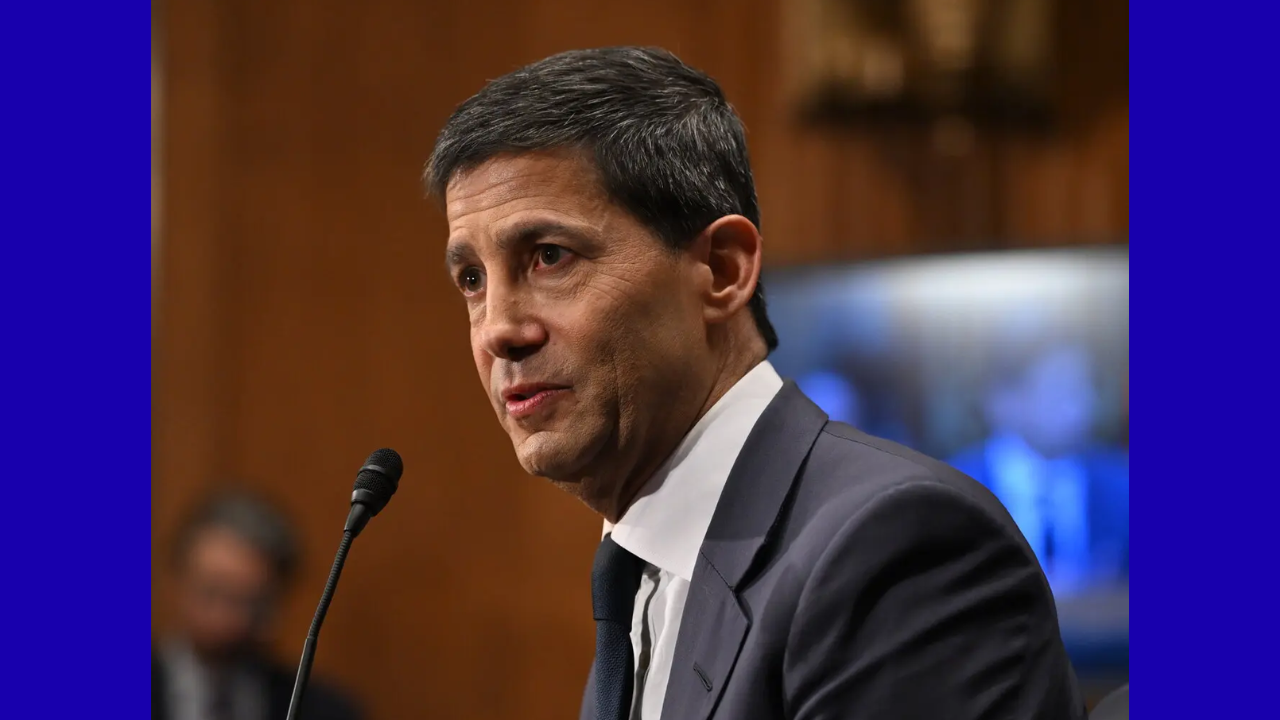
With Kevin Warsh now officially the nominee to succeed Jerome Powell, the phrase of the day is “Regime Change.” Warsh isn’t just looking to tweak interest rates; he’s looking to fundamentally dismantle the Fed’s massive role in the private economy.
1. The End of “Ample Reserves”
Since 2008, the Fed has operated on an “Ample Reserves” model—keeping the banking system flooded with cash so it can control rates through administrative interest payments.
- The Warsh Pivot: He wants to return to the “Scarce Reserves” model of the 1990s and early 2000s.
- The Goal: By shrinking the balance sheet from roughly 25% of GDP down toward historical norms, he wants to force banks to trade with each other for liquidity rather than relying on the Fed’s “printing press.”
2. A “Grand Bargain” with the Treasury
Warsh has signaled a shift toward a more symbiotic relationship with the U.S. Treasury.
- The Strategy: He has floated the idea of pairing aggressive Quantitative Tightening (QT) with lower short-term interest rates.
- The Logic: By offloading long-term Treasury bonds faster, the Fed exits the business of “managing” long-term borrowing costs, returning that power—and the associated risk—to private bondholders.
3. Killing the “Dot Plot”
Warsh believes the Fed talks too much. He argues that “Forward Guidance” (telling the market exactly what the Fed will do for the next year) makes markets lazy and overly dependent on the central bank.
- The Action: He has called for scaling back or eliminating the “Dot Plot.” * The Result: Less hand-holding from the Fed means private investors must once again engage in real price discovery, reducing the Fed’s psychological weight on everyday trading.
4. Resisting “Mission Creep”
Warsh is a vocal critic of the Fed expanding its remit into social or environmental issues (like climate-related financial oversight).
- The Mandate: He aims to narrow the Fed’s focus strictly to price stability and employment. * The Footprint: By doing less, the Fed requires fewer intervention tools, naturally leading to a smaller presence in both the regulatory and financial spheres.
The Big Question: Can It Be Done Safely?
While Warsh’s “market-first” approach has many fans, it carries significant risks as we move through 2026:
- Liquidity Shocks: Rapidly removing cash from the system could trigger a “repo spike,” similar to the 2019 liquidity crisis.
- Higher Yields: Without the Fed as a “guaranteed buyer” of Treasuries, the private market may demand higher interest rates to hold government debt.
- Market Whiplash: A less predictable Fed means more volatility. Investors used to the “Fed Put” (the belief that the Fed will always save the market) may find the transition to a Warsh-led Fed a very bumpy ride.

Suresh holds a Master of Commerce (M.Com) degree and is a dedicated personal finance researcher and writer. Combining his advanced academic background in commerce with deep industry research, he covers complex topics like taxation, banking systems, credit analysis, and personal finance strategies. As the founder of Tax Assistant (taxassistant.org), Suresh is committed to translating complicated financial guidelines and economic data into simple, accurate, and actionable educational resources for everyday readers.