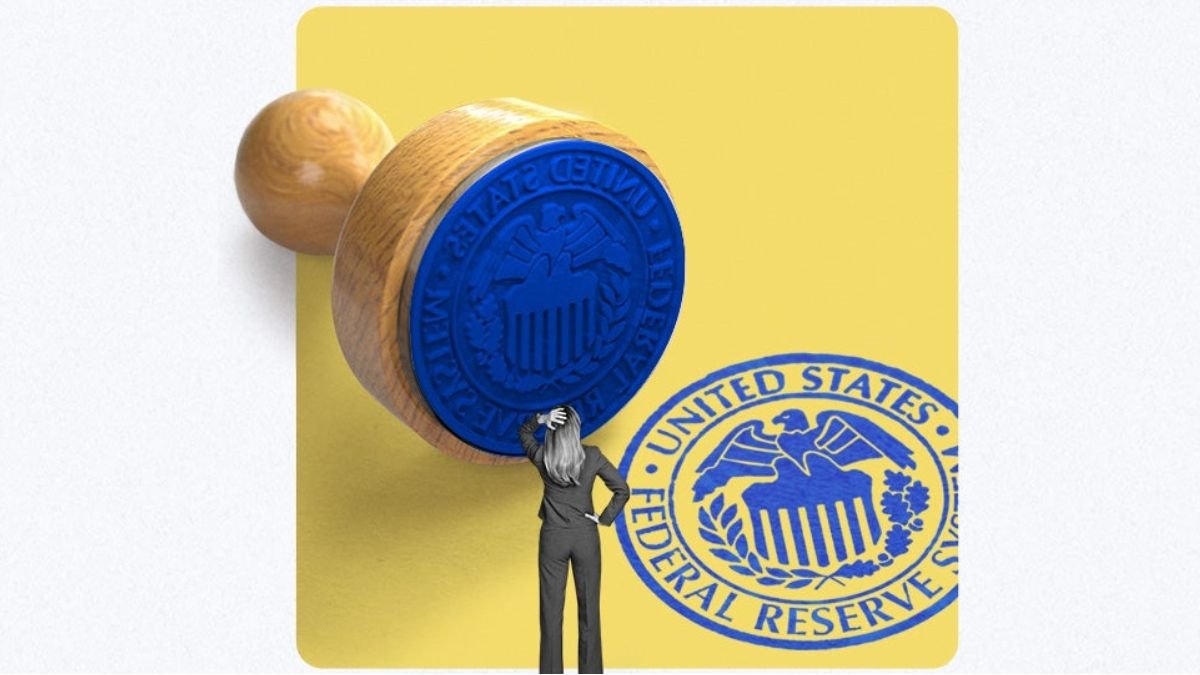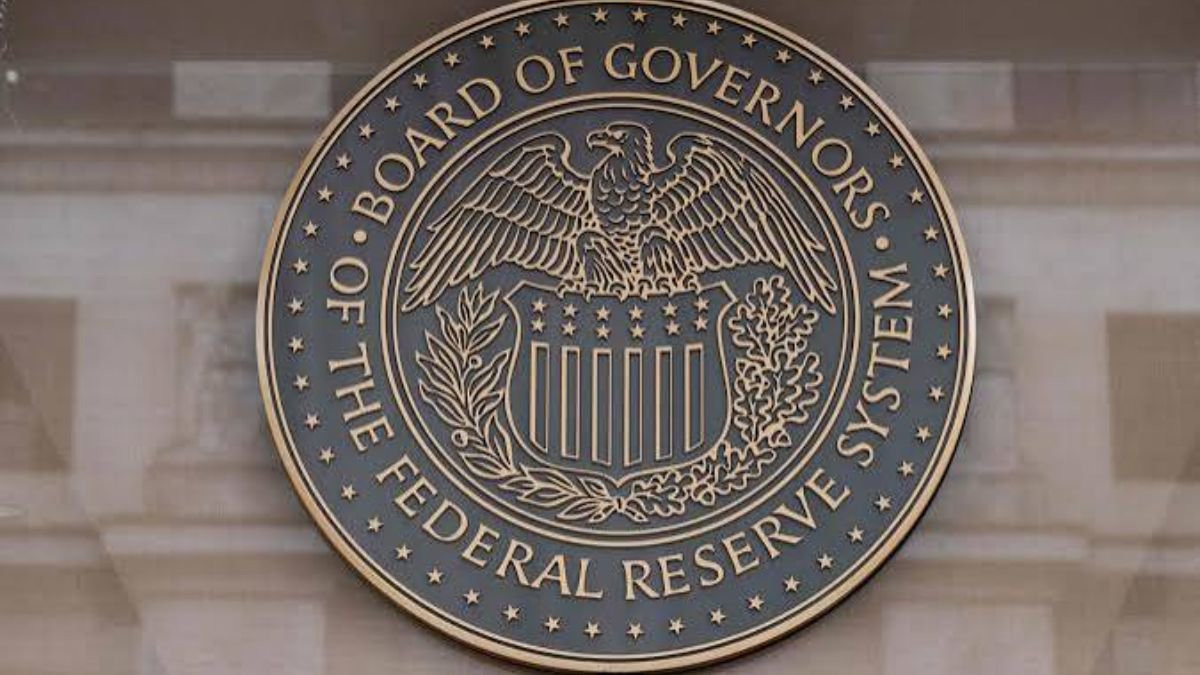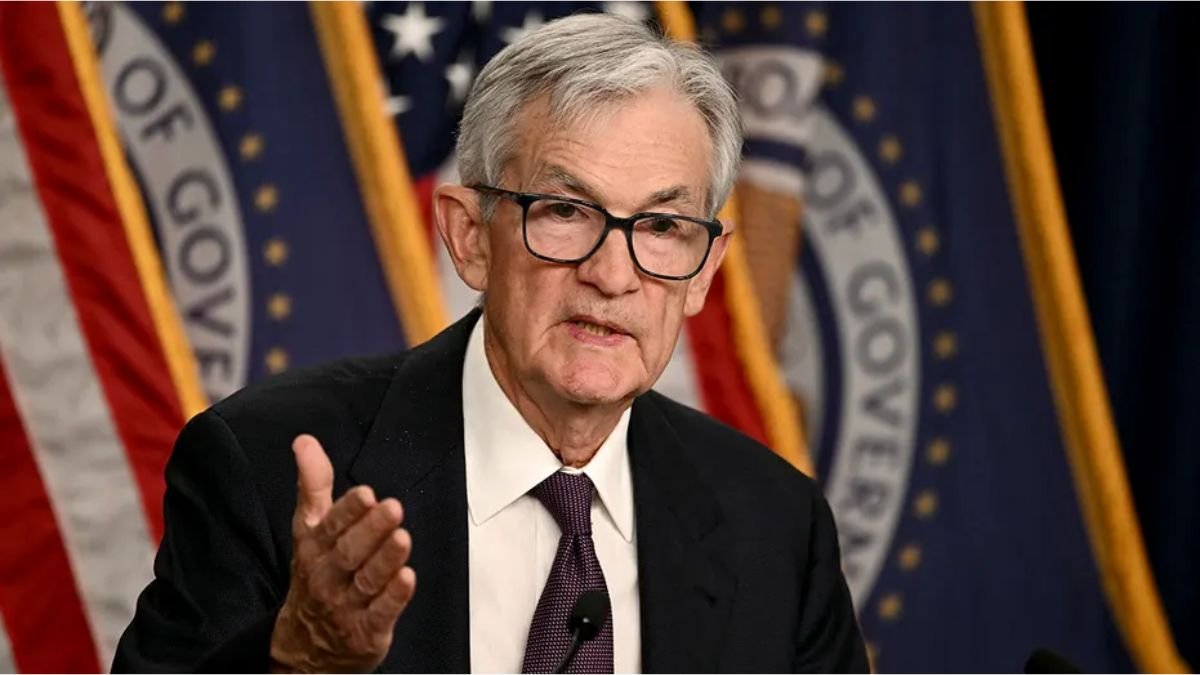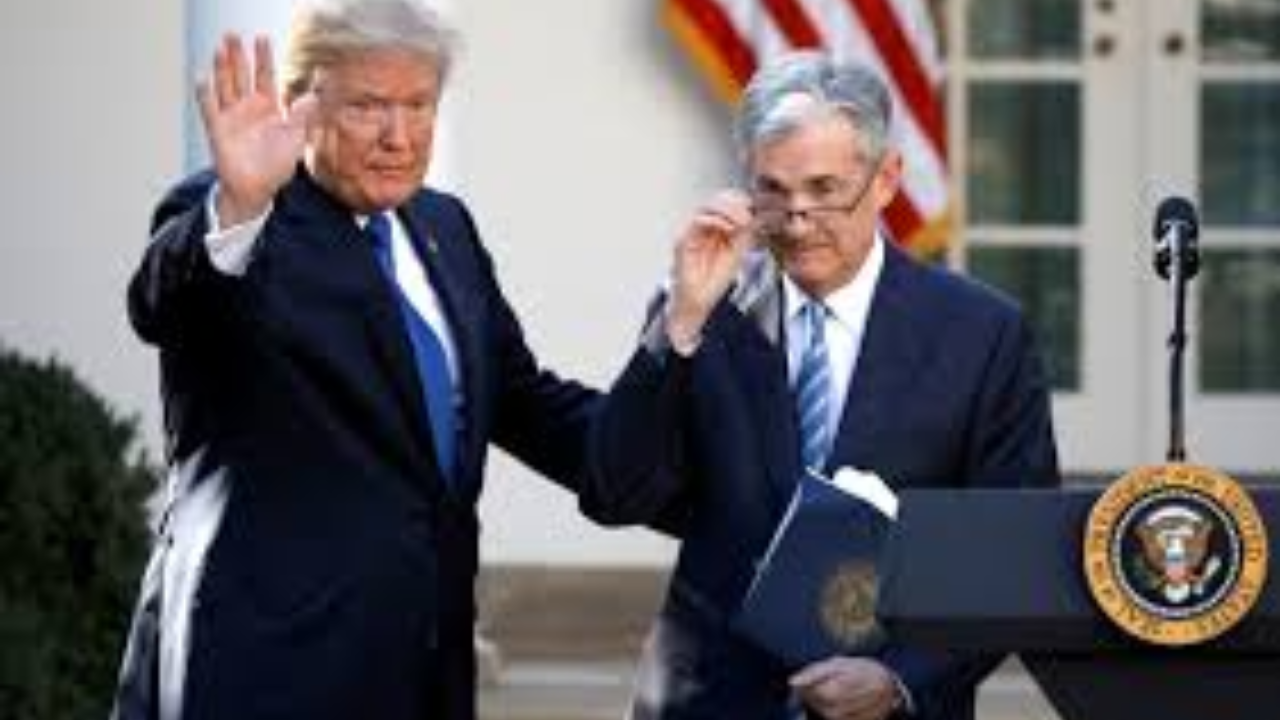
In a sharp escalation of tensions between the White House and the Federal Reserve, President Trump announced on Wednesday that he is prepared to fire Fed Chair Jerome Powell if he does not step down at the end of his term next month.
The Core Conflict
- The Expiration: While Powell’s term as Chair ends in May, his position on the Board of Governors remains valid through 2028. Powell has indicated he has no intention of vacating his seat early.
- The DOJ Probe: Powell’s refusal to leave is tied to an ongoing Department of Justice investigation into the Fed’s headquarters renovation. Powell has labeled the probe a “pretext” for political interference, stating he will remain until the matter is cleared.
- The Stalled Successor: Trump’s nominee for the Chair position, Kevin Warsh, remains stuck in the Senate Banking Committee due to a block by Senator Thom Tillis (R-NC), creating a potential leadership vacuum.
Why It Matters
This standoff is more than a personnel dispute; it is a fundamental challenge to the Federal Reserve’s independence.
- Legal Protections: The Federal Reserve Act states that governors can only be removed “for cause.” Historically, this protects the Chair from being fired over policy disagreements, such as interest rate decisions.
- Supreme Court Involvement: The administration’s authority to fire independent officials is currently being tested in a Supreme Court case regarding Fed Governor Lisa Cook. A ruling is expected in June.
- Market Stability: Investors generally view Fed independence as a cornerstone of economic stability. A forced removal could trigger volatility in the bond and stock markets.
What’s Next?

Suresh holds a Master of Commerce (M.Com) degree and is a dedicated personal finance researcher and writer. Combining his advanced academic background in commerce with deep industry research, he covers complex topics like taxation, banking systems, credit analysis, and personal finance strategies. As the founder of Tax Assistant (taxassistant.org), Suresh is committed to translating complicated financial guidelines and economic data into simple, accurate, and actionable educational resources for everyday readers.