A massive economic shift is unfolding this April 2026. Following the Supreme Court’s decision to strike down the IEEPA tariffs, the federal government has opened the gates for a $166 billion refund.
But while the money is flowing back into the economy, it’s hitting a very specific wall.
The Business Windfall
The Consumer Gap
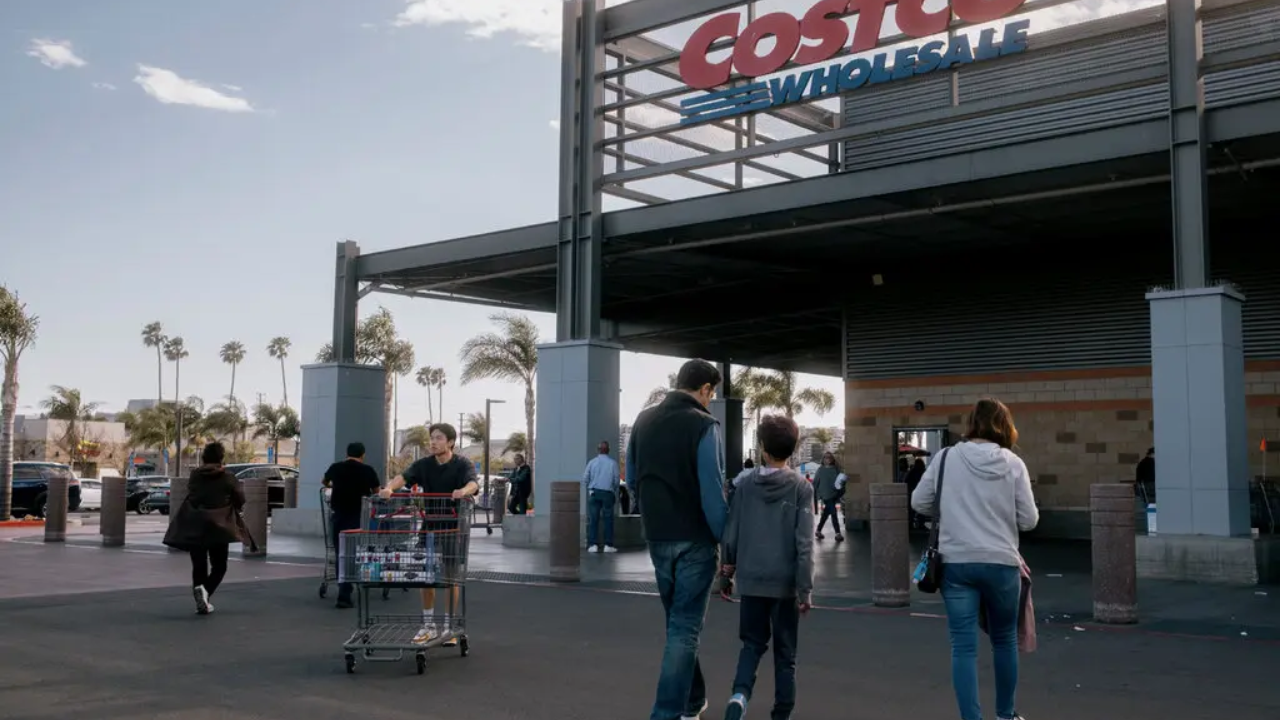
The bitter irony? While businesses paid the government, consumers paid the businesses. * The Cost: Analysts estimate that the average American household absorbed over $1,700 annually in price hikes for electronics, clothing, and vehicles while these tariffs were active.
Why Prices Aren’t Dropping (Yet)
If companies are getting billions back, why aren’t tags being marked down?
- Sticky Prices: Economists note that prices are quick to rise but slow to fall. Many firms are using the refunds to shore up balance sheets rather than lower retail costs.
- The Litigation Wave: Because there’s no direct government rebate for shoppers, the fight has moved to the legal system. Class-action “unjust enrichment” lawsuits are currently piling up against major retailers, arguing that companies shouldn’t get to keep a double payout—once from the consumer and once from the IRS.
The Bottom Line
The government is effectively correcting a multi-billion dollar mistake, but the correction is only reaching the boardroom. For the average shopper, the relief remains locked behind a corporate wall.

Suresh holds a Master of Commerce (M.Com) degree and is a dedicated personal finance researcher and writer. Combining his advanced academic background in commerce with deep industry research, he covers complex topics like taxation, banking systems, credit analysis, and personal finance strategies. As the founder of Tax Assistant (taxassistant.org), Suresh is committed to translating complicated financial guidelines and economic data into simple, accurate, and actionable educational resources for everyday readers.