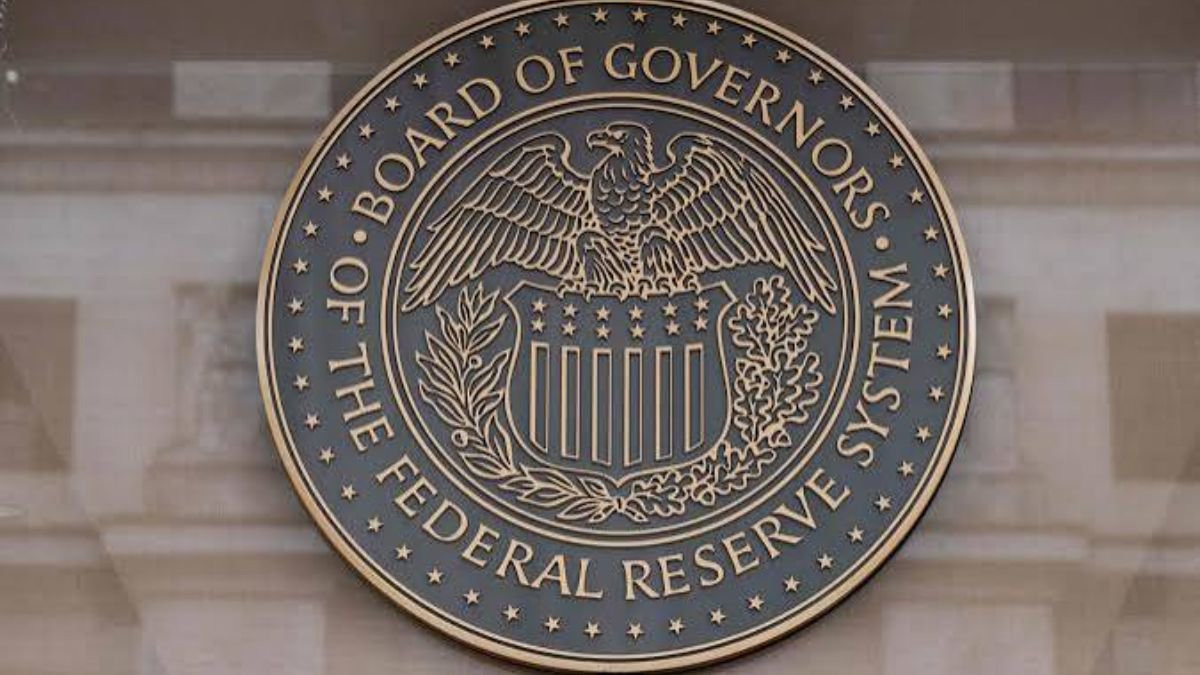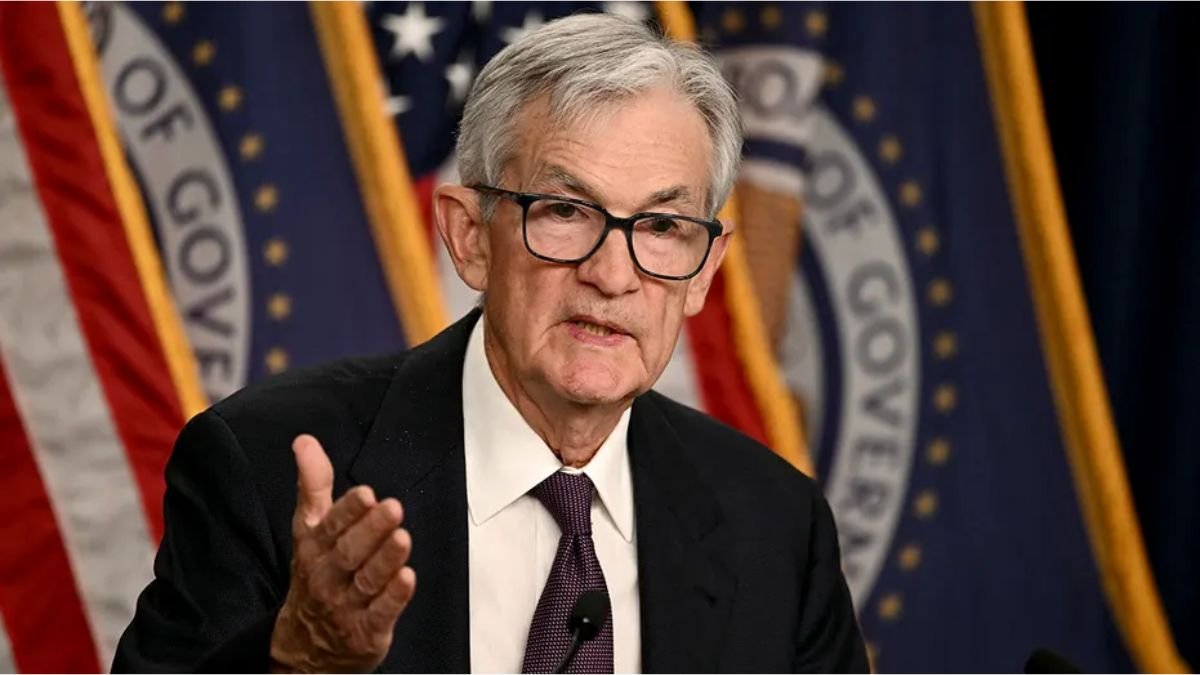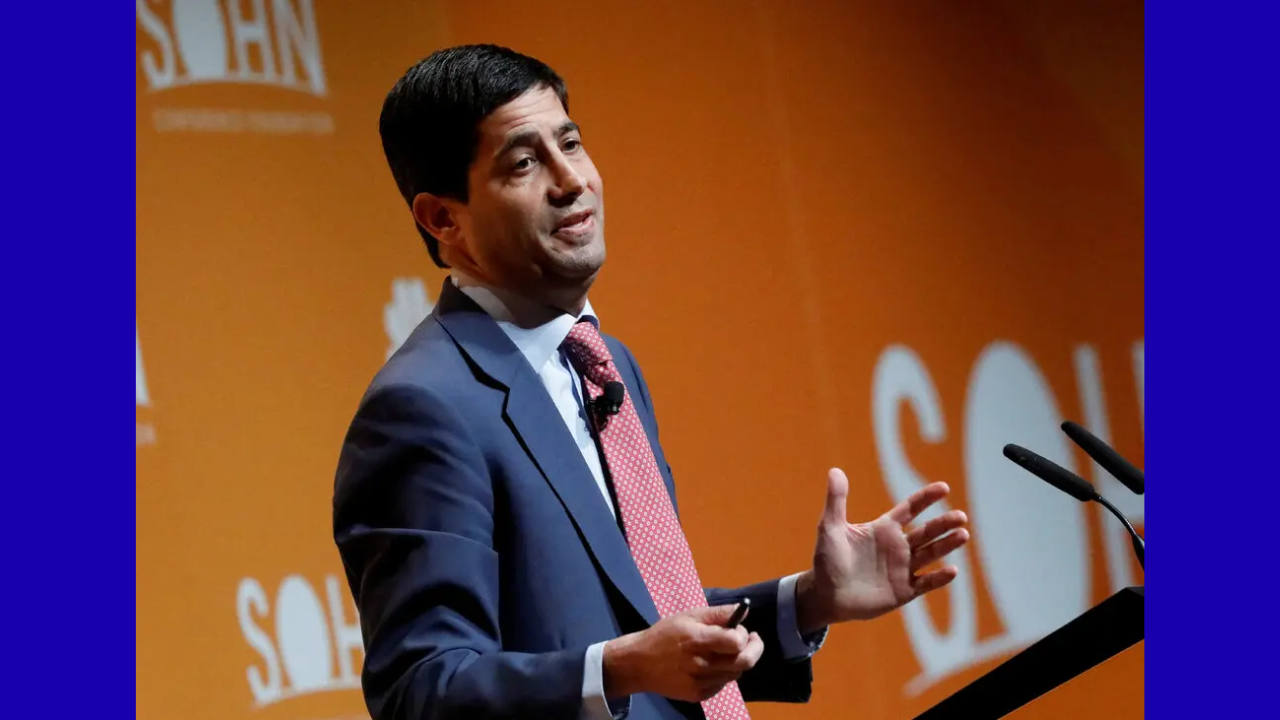
President Trump’s pick to lead the Federal Reserve, Kevin Warsh, is heading to Capitol Hill today with a clear message: the central bank’s independence is non-negotiable, even when the White House gets loud.
The Defense: Independence vs. Influence
In his prepared testimony, Warsh argues that “operational independence” is not the same as silence.
- Public Pressure: He contends that the Fed isn’t threatened just because elected officials express opinions on interest rates.
- Narrow Focus: Warsh believes the Fed protects its independence best when it “stays in its lane,” focusing strictly on monetary policy rather than social or fiscal issues.
- The Conflict: This stance will be tested against President Trump’s public “litmus test,” which reportedly requires the next Chair to commit to aggressive rate cuts.
Major Confirmation Hurdles
It won’t be an easy walk to the Chairmanship. Warsh faces three significant roadblocks:
- The Tillis Blockade: Senator Thom Tillis has vowed to stall any nominee until the DOJ investigation into current Chair Jerome Powell is resolved.
- The $100 Million Question: Warsh’s massive net worth and ties to private equity have drawn fire from Senate Democrats, who worry about potential conflicts of interest.
- Political Autonomy: Critics, including Senator Elizabeth Warren, are questioning whether a “front-runner” so closely tied to the President can truly push back against executive pressure.
What’s at Stake?
With the Fed funds rate currently sitting between 3.50% and 3.75%, the markets are looking for stability. If confirmed, Warsh will take the reins in May 2026, inheriting an economy wrestling with new trade tariffs and a divided FOMC. His ability to maintain a “data-dependent” approach while navigating political headwinds will be the defining challenge of his term.

Suresh holds a Master of Commerce (M.Com) degree and is a dedicated personal finance researcher and writer. Combining his advanced academic background in commerce with deep industry research, he covers complex topics like taxation, banking systems, credit analysis, and personal finance strategies. As the founder of Tax Assistant (taxassistant.org), Suresh is committed to translating complicated financial guidelines and economic data into simple, accurate, and actionable educational resources for everyday readers.