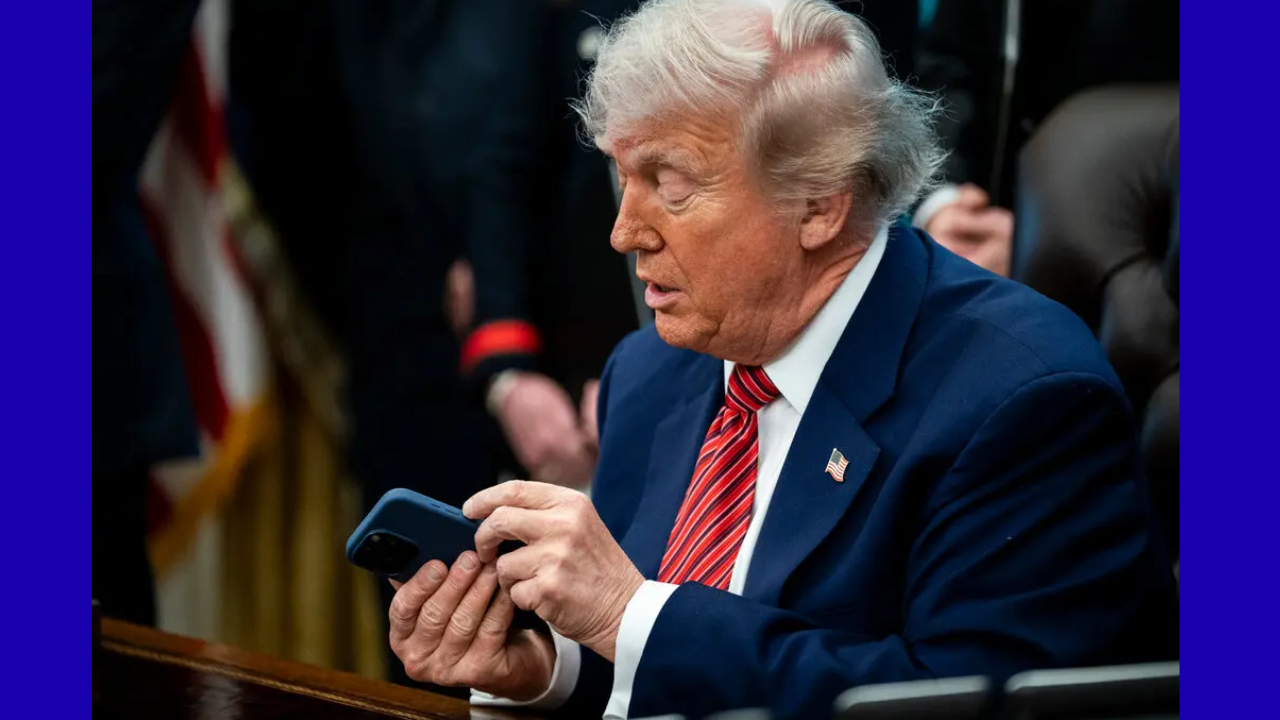
A significant legal battle has erupted over the preservation of federal records. The American Historical Association and American Oversight have filed a lawsuit alleging that the White House has actively allowed—and potentially encouraged—the deletion of text messages sent by high-ranking officials.
Key Allegations in the Lawsuit
The litigation highlights several practices that critics argue undermine government accountability:
- The “Loophole” Policy: A recent internal memo reportedly instructed staff that they only need to preserve text messages if they constitute the “sole record” of an official decision. This allows officials to delete messages they deem “ministerial” or “personal,” which plaintiffs argue covers vital government business.
- Constitutional Challenges: The lawsuit was triggered by a Department of Justice (DOJ) opinion claiming the PRA is unconstitutional. The DOJ argues that Congress cannot dictate how a president manages their own communications without violating the separation of powers.
- Encrypted Messaging: Concerns have intensified over the use of encrypted apps like Signal. Because these apps are not integrated into automated archiving systems, the burden of preservation falls entirely on the individual officials.
The Bigger Picture
This is not an isolated incident. The lawsuit follows a pattern of records-management disputes:
- DHS Precedent: In late 2025, watchdog groups sued the Department of Homeland Security for allegedly halting text message preservation entirely.
- Historical Erasure: Historians warn that if these practices continue, millions of digital records—including over 700 million emails and texts—could be lost to history.
The White House Defense
The administration maintains that it continues to preserve records as a matter of internal policy. However, their legal team is simultaneously arguing in court that the law requiring such preservation is an unconstitutional overreach by the legislative branch.
The Core Conflict: If the courts side with the White House, it could grant the executive branch absolute authority over which parts of its history are recorded and which are permanently erased.

Suresh holds a Master of Commerce (M.Com) degree and is a dedicated personal finance researcher and writer. Combining his advanced academic background in commerce with deep industry research, he covers complex topics like taxation, banking systems, credit analysis, and personal finance strategies. As the founder of Tax Assistant (taxassistant.org), Suresh is committed to translating complicated financial guidelines and economic data into simple, accurate, and actionable educational resources for everyday readers.