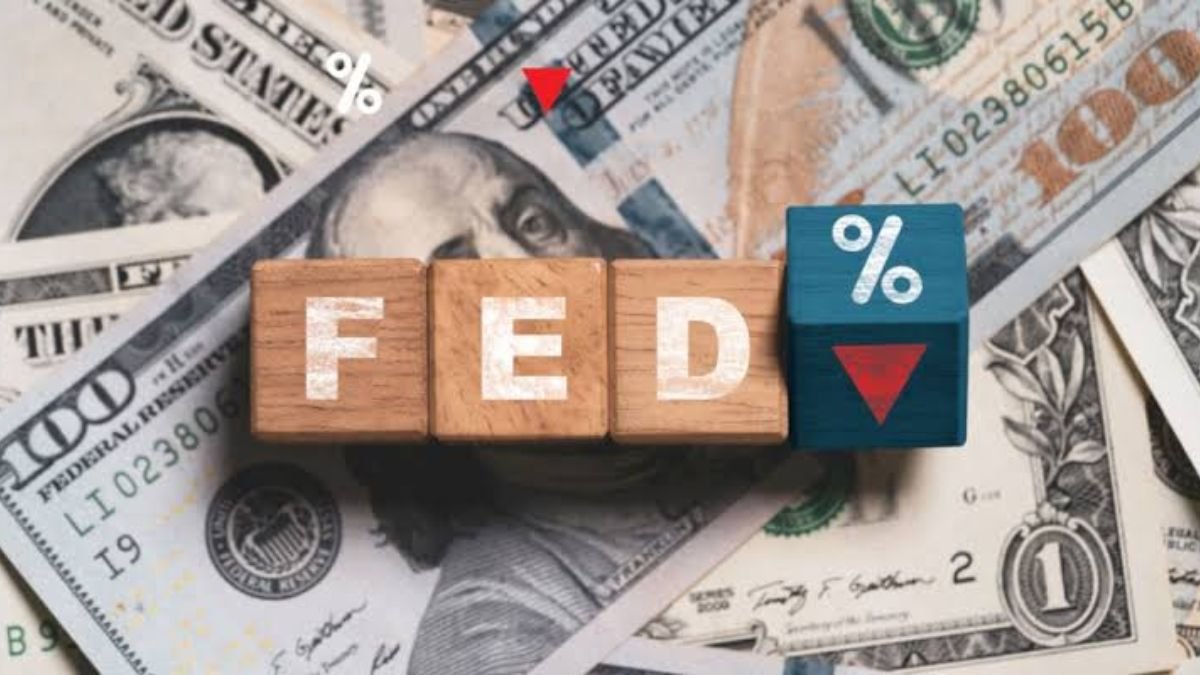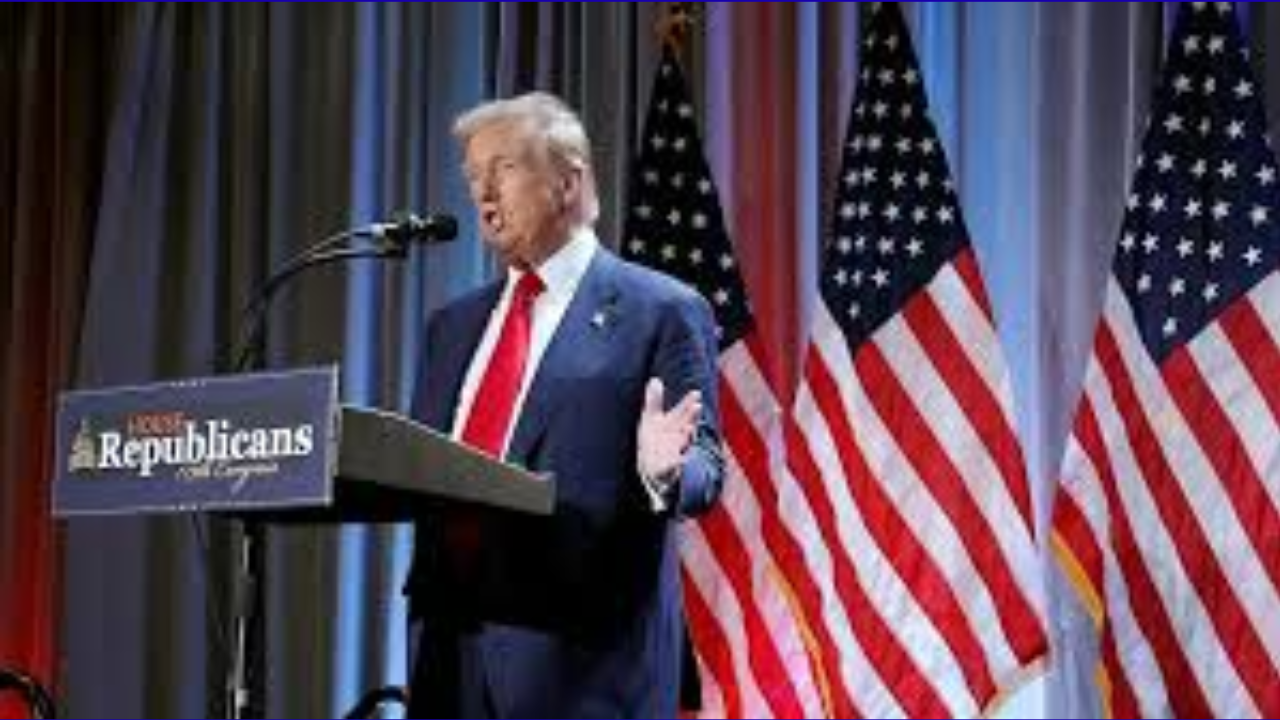
The push to bring the Federal Reserve under closer executive oversight is hitting a series of complex legal and political “firewalls” this month. Despite the administration’s desire for a central bank that mirrors its economic priorities, the path to a more “aligned” Fed is proving to be anything but a straight line.
The Senate Logjam
- Senate Resistance: Key Republicans, led by Senator Thom Tillis, have signaled they will hold up confirmations until the ongoing DOJ inquiry into current Chair Jerome Powell is settled.
- Vetting Issues: Warsh’s personal wealth—estimated at over $131 million—and his deep industry ties have sparked a rigorous debate over his ability to serve as an impartial arbiter of the economy.
The “Independence” Problem
Even with a hand-picked Chair, the structural design of the Federal Reserve makes it difficult to change policy overnight:
- The FOMC Buffer: Policy is a collective vote. With governors serving staggered, multi-year terms, the President cannot simply replace the entire board to suit a specific agenda.
- Judicial Guardrails: All eyes are on the Supreme Court as it reviews the Lisa Cook case. A ruling could potentially limit a President’s power to remove Fed officials over policy differences, solidifying the bank’s legal independence.
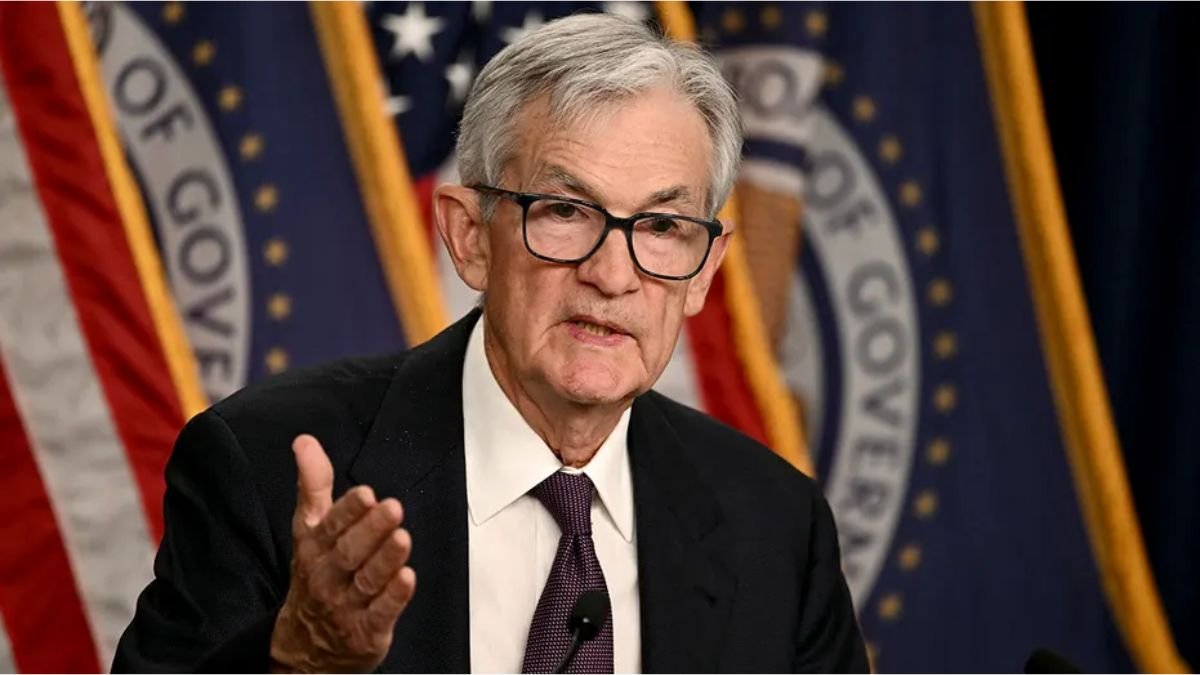
- The Powell Factor: Jerome Powell’s term as Chair expires in May, but he could remain on the Board of Governors until 2028, creating a potential “shadow” influence that complicates a clean transition.
Market Realities vs. Political Pressure
Beyond politics, the administration is facing an uphill battle against current economic conditions:
- The Geopolitical Tax: The conflict in Iran has triggered a spike in energy costs, keeping inflation higher than the Fed’s target.
- Investor Skepticism: Markets generally react poorly to the perception of a “politicized” Fed. If investors believe rate decisions are being made for political gain rather than economic stability, it could lead to higher long-term borrowing costs—the exact opposite of what the administration wants.
Bottom Line: While the quest for more sway continues, the Fed’s “Fortress of Independence” is proving remarkably difficult to breach. The upcoming FOMC meeting on April 28–29 will be the ultimate litmus test for how much the bank is willing to bend to outside pressure.

Suresh holds a Master of Commerce (M.Com) degree and is a dedicated personal finance researcher and writer. Combining his advanced academic background in commerce with deep industry research, he covers complex topics like taxation, banking systems, credit analysis, and personal finance strategies. As the founder of Tax Assistant (taxassistant.org), Suresh is committed to translating complicated financial guidelines and economic data into simple, accurate, and actionable educational resources for everyday readers.