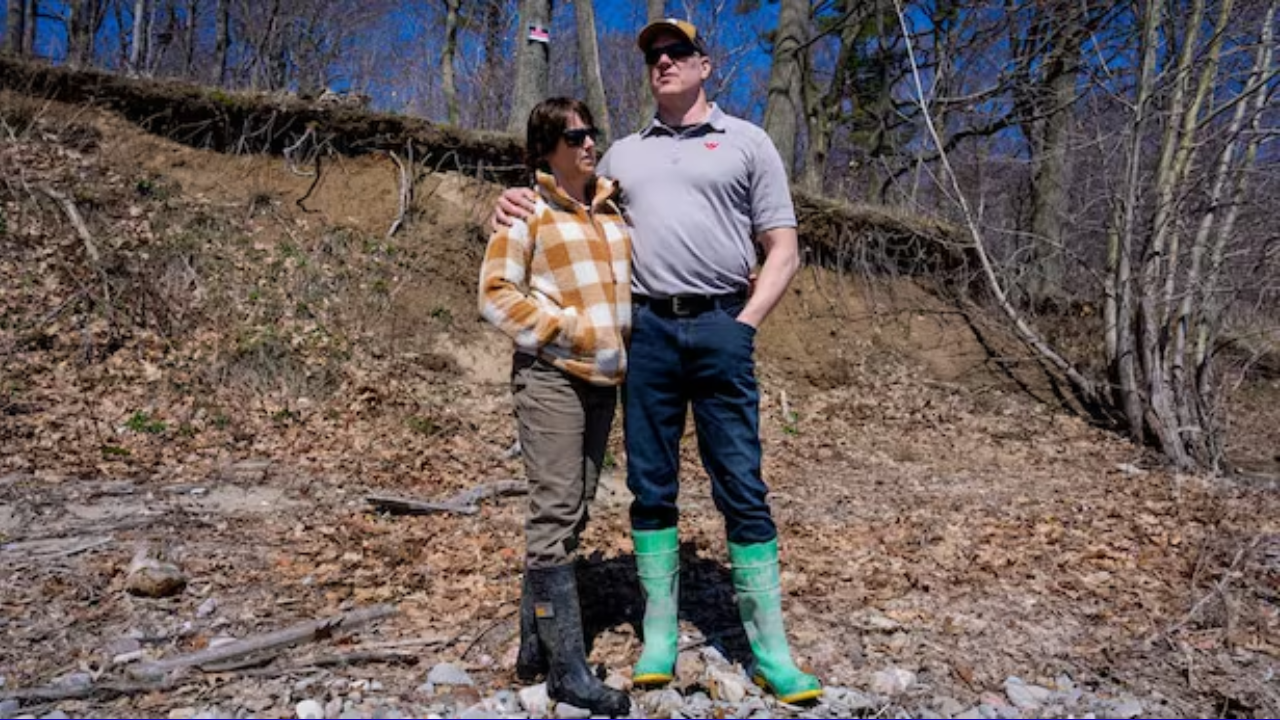
A legal loophole in Ontario is putting current homeowners on the hook for staggering archaeological costs—even for remains discovered long before they owned their property.
Thank you for reading this post, don't forget to subscribe!Under the Funeral, Burial and Cremation Services Act (FBCSA), the responsibility for investigating a burial site rests entirely with the current landowner. Recent cases have shown that the province is now enforcing “unfinished” investigations from as far back as 20 years ago.
The Reality of the Burden
- The Cost: Investigations are not just simple digs; they require licensed archaeologists and can range from $30,000 to over $500,000.
- The Wolfe Island Case: A couple was recently ordered to fund an investigation for remains found two decades ago, despite the remains having been reburied by the community at the time.
- The “Cemetery” Catch: If a site is officially declared a burial ground, the homeowner may be forced to pay for reinterment or maintain the site as a permanent cemetery on their land.
Is Financial Relief Available?
- Approval Rates: Between 2023 and 2025, only about one-third of relief applications were granted by the province.
- Legal Pushback: A 2025 Superior Court ruling (Taccone v. Registrar) criticized the government’s refusal to pay, calling the province’s narrow reimbursement criteria “unreasonable.”
A Flawed System
Indigenous leaders and legal experts argue that the current framework is counterproductive. By placing a massive financial penalty on the reporting of remains, the law risks:
- Incentivizing Silence: Homeowners may be afraid to report discoveries due to potential bankruptcy.
- Hindering Reconciliation: Critics argue that the government, not private citizens, should fund the dignified preservation of Indigenous history.
As legal challenges continue, there is growing pressure on the Ontario government to reform the Act and take full financial responsibility for these sensitive historical sites.

"Suresh Kumar Saini is an experienced Tax Assistant and finance writer. He specializes in US & Canada Tax Guide, Indian Income Tax laws, GST compliance, and personal finance, helping freelancers and remote workers optimize their taxes."