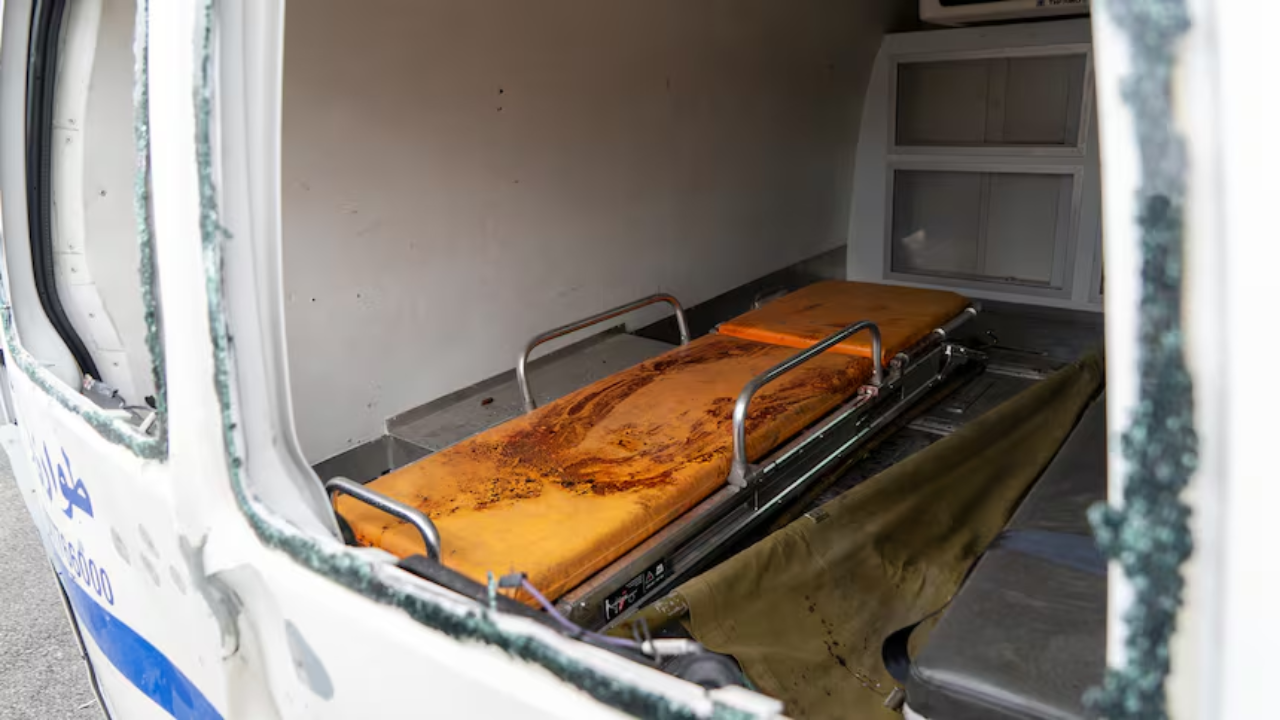
On April 15, 2026, a series of strikes in the southern Lebanese village of Mayfadoun drew international scrutiny after four distinct groups of paramedics were drawn into a deadly sequence of attacks. The event, often described as a “triple-tap” or “quadruple-tap” strike, highlights the extreme risks faced by medical personnel in active conflict zones.
The Sequence of Events
| Phase | Targeted Group | Outcome |
| Initial Strike | Islamic Health Committee | Paramedic Mahdi Abu Zaid was killed upon arrival to treat victims of a previous bombardment. |
| Second Strike | Risala Scout Association | Targeted while attempting to evacuate survivors of the first strike. Several medics were wounded. |
| Third Strike | Civil Defense Workers | A third blast hit the subsequent rescue team, resulting in two additional paramedic fatalities. |
| Final Team | Recovery Unit | A fourth team eventually succeeded in clearing the site and evacuating the deceased and wounded without further fire. |
The Toll and Documentation
Legal and Humanitarian Implications
- The IDF Position: The Israeli military has frequently alleged that rescue vehicles are used for militant transport, though Lebanese health officials deny these claims.
- Broader Context: Since the escalation began in March 2024, over 90 medical workers have reportedly been killed in the region.

Suresh holds a Master of Commerce (M.Com) degree and is a dedicated personal finance researcher and writer. Combining his advanced academic background in commerce with deep industry research, he covers complex topics like taxation, banking systems, credit analysis, and personal finance strategies. As the founder of Tax Assistant (taxassistant.org), Suresh is committed to translating complicated financial guidelines and economic data into simple, accurate, and actionable educational resources for everyday readers.