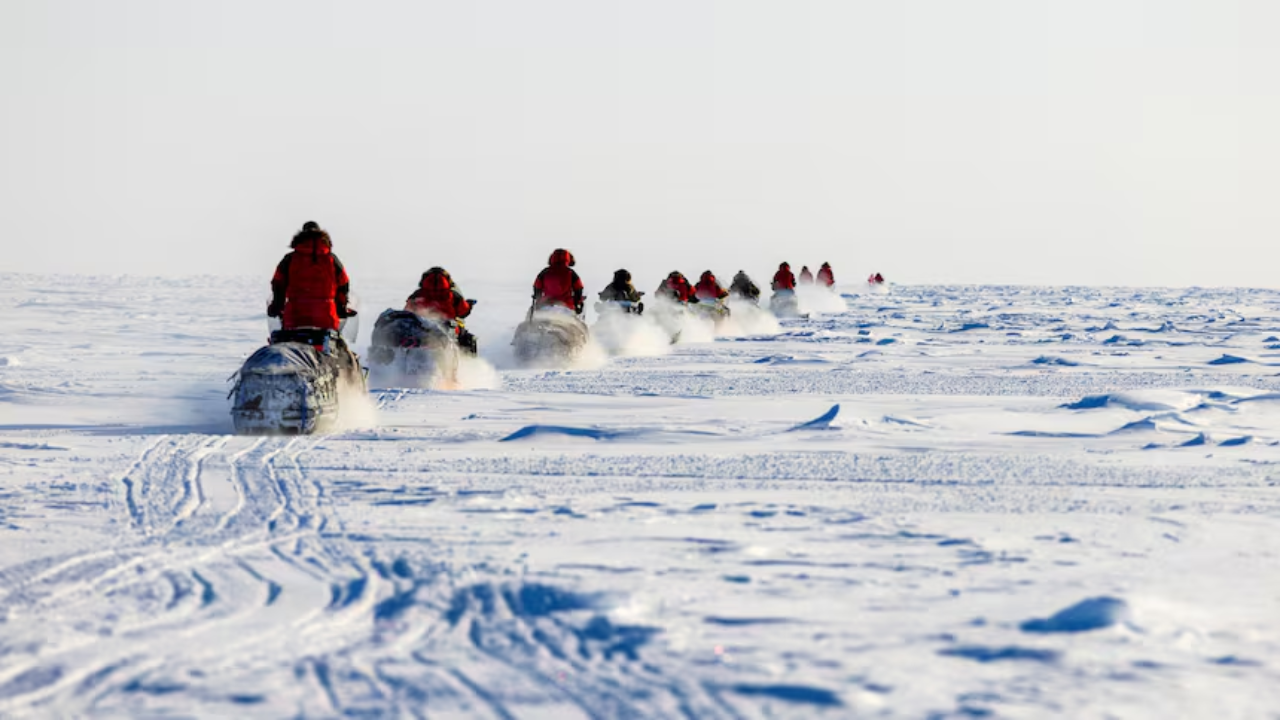
A massive 5,200-kilometre patrol across the Canadian Arctic recently wrapped up, and the reports coming back are a wild mix of high-stakes geopolitics and “you had to be there” survival stories. Operation Nanook-Nunalivut wasn’t just a military exercise; it was a 52-day reality check for the Canadian Rangers.
Thank you for reading this post, don't forget to subscribe!Low Tech Meets High Stakes
- The Sleeping Bag Battery Hack: At -60°C, standard lithium-ion batteries are useless. Rangers reported sleeping with up to 15 different batteries in their sleeping bags just to keep them functional using body heat.
- Communication Gaps: Much of the gear designed for southern operations simply fails in the North, highlighting a desperate need for ruggedized tech that can survive the “Arctic Reality.”
Square Dancing Diplomacy
- The “Arctic Intimacy”: Southern military protocols often went out the window in favor of local traditions. Rangers frequently found themselves as the stars of local TikToks and participants in mandatory community square dances.
- Trust Building: These social interactions proved that in the North, sovereignty is built on personal relationships as much as it is on patrols.
Why It Matters Now
With the Northwest Passage opening up due to melting ice, the geopolitical pressure is mounting.
- Sovereignty: Under PM Mark Carney’s government, there is a push for a “persistent presence” rather than just seasonal visits.
- The Eyes and Ears: The Rangers are the primary line of defense and observation against increased international interest and Russian militarization in the region.
The Bottom Line: Canada’s Arctic strategy depends on people who can handle a satellite signal blackout and a community dance-off with equal composure. It’s a reminder that no matter how much tech we throw at the North, the environment still calls the shots.

"Suresh Kumar Saini is an experienced Tax Assistant and finance writer. He specializes in US & Canada Tax Guide, Indian Income Tax laws, GST compliance, and personal finance, helping freelancers and remote workers optimize their taxes."