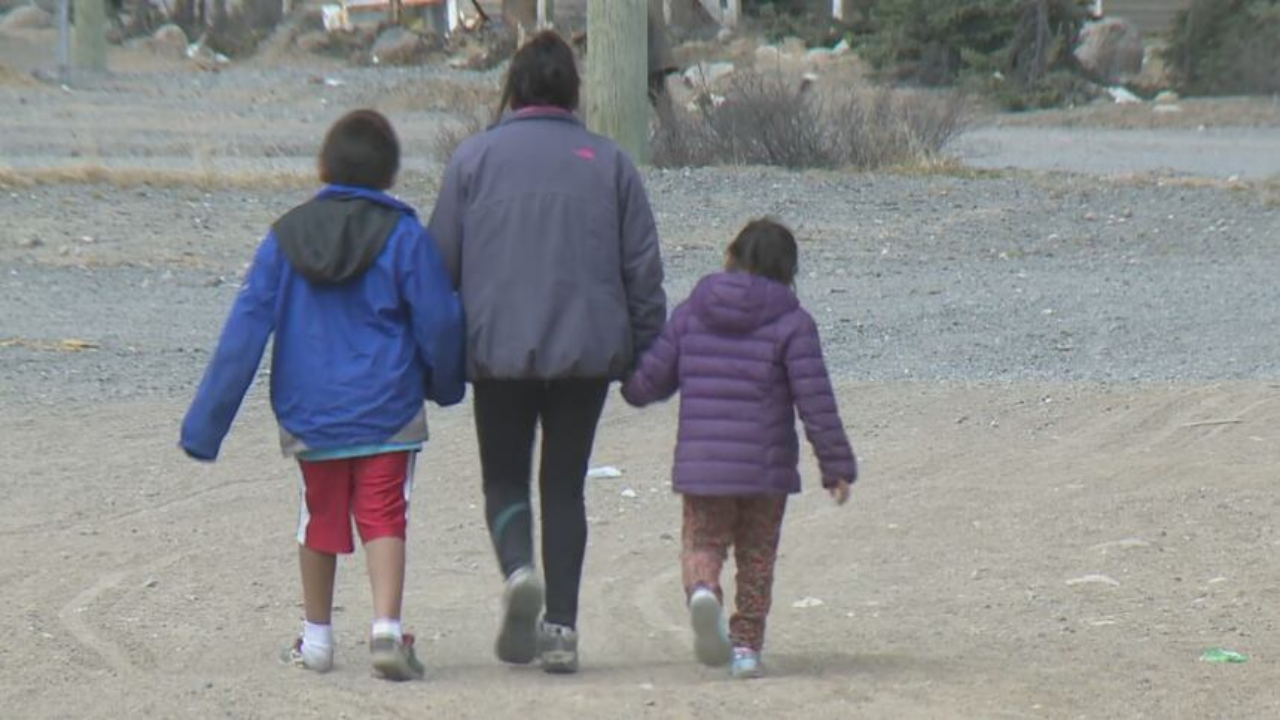
While physical removals of Innu children in Newfoundland and Labrador have seen a significant decline, a paradoxical trend has emerged: the number of active child welfare investigations continues to surge. This disconnect has become a central focus of the Inquiry into the Treatment, Experiences, and Outcomes of Innu in the Child Protection System.
Thank you for reading this post, don't forget to subscribe!A Statistical Paradox
The current landscape of child welfare in Labrador is defined by two opposing trajectories:
- Decreased Removals: Advocacy by the Innu Nation and a push for community-based care have successfully lowered the rates of children being placed in foster or group homes.
- Increased Investigations: Despite fewer children being taken away, the volume of open cases and “investigative” files in communities like Natuashish and Sheshatshiu remains at an all-time high.
Understanding the “Surveillance” Model
- Supervision Without Support: Many families now stay together under “supervision orders.” While the child remains home, the family is under intense scrutiny. However, advocates argue this surveillance is rarely paired with the necessary resources—such as improved housing or mental health services—to address root causes.
- Defensive Social Work: Following the tragic deaths of several Innu youths who had been involved with the system, there has been a shift toward “defensive” reporting. Investigations are often opened to mitigate provincial liability, focusing on monitoring rather than meaningful intervention.
- Systemic Bias: Testimony from the ongoing inquiry suggests that the high volume of investigations reflects a “policing” approach to social work. Critics argue the system is still geared toward identifying “failures” in families rather than supporting community health.
The Path Toward Jurisdiction
The Innu Nation is actively working to move beyond this provincial oversight by reclaiming jurisdiction over child welfare. By establishing an Innu-led system, the goal is to replace the current cycle of investigation with a framework built on prevention, traditional kinship, and community-driven wellness.
As the inquiry nears its conclusion in late 2025 and early 2026, its findings are expected to provide a roadmap for ending the over-surveillance of Innu families and establishing a system based on genuine support.

"Suresh Kumar Saini is an experienced Tax Assistant and finance writer. He specializes in US & Canada Tax Guide, Indian Income Tax laws, GST compliance, and personal finance, helping freelancers and remote workers optimize their taxes."