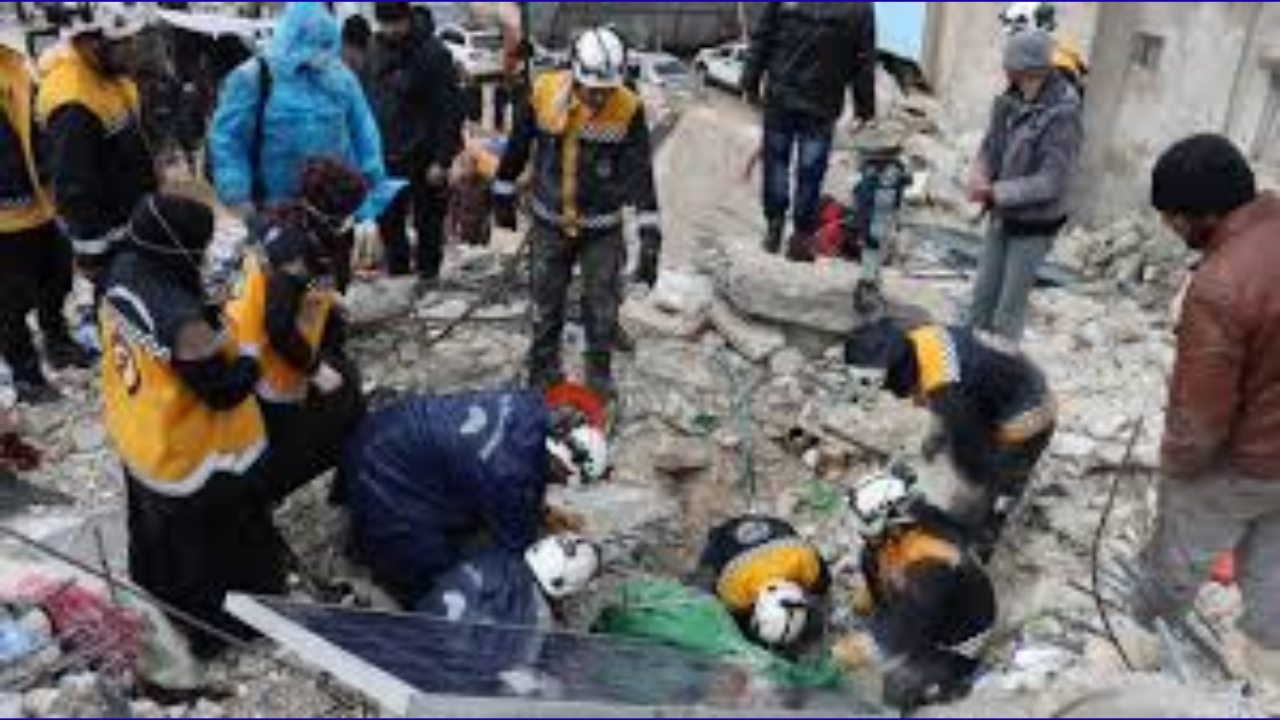
In the final hours before the April 2026 ceasefire between Israel and Hezbollah, paramedic Fadel Hamadi captured what he hopes will become a definitive record for international investigators. While responding to an initial strike in Mayfadoun, Lebanon, Hamadi’s GoPro camera recorded a series of subsequent missiles—a tactic known as a “double” or “quadruple” tap—specifically targeting the arriving rescue crews.
Thank you for reading this post, don't forget to subscribe!The Evidence on Camera
- Proof of Mission: The video shows the interior of the ambulances, documenting that they were stocked exclusively with medical supplies rather than military equipment.
- The Target: The footage captures the moment three missiles hit the convoy, despite the vehicles’ emergency lights being active.
- The Human Toll: The attack resulted in the deaths of four paramedics, including team leader Mahdi Abu Zaid, and left six others wounded.
Seeking Justice Through Documentation
- Refute Official Claims: Directly counter allegations that medical transports were being used for non-humanitarian purposes.
- Formalize Evidence: Provide high-definition, time-stamped proof for human rights organizations and international courts.
- Preserve Memory: The team has since placed one of the destroyed ambulances in a public square in Nabatieh, using the physical wreckage alongside the digital footage to demand accountability for what they label a war crime.
This event echoes the 2025 Gaza Red Crescent investigations, where similar recovered footage played a pivotal role in shifting the international narrative regarding the safety of medical personnel during active hostilities.