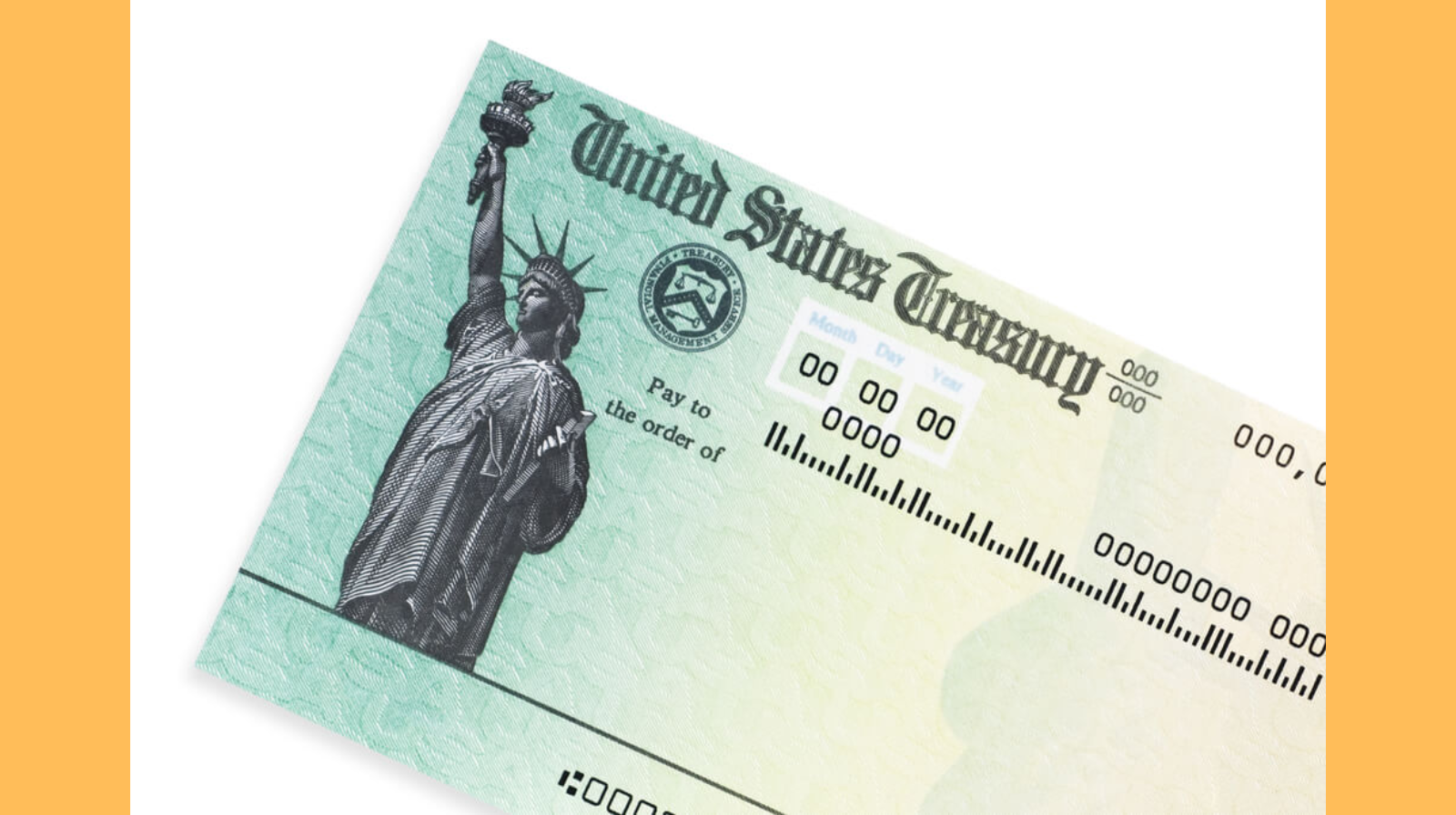
Navigating cross-border taxes can be complex, but both the Internal Revenue Service (IRS) and the Canada Revenue Agency (CRA) provide dedicated portals, tools, and phone lines specifically for international and non-resident filers.
Thank you for reading this post, don't forget to subscribe!Here is how to access official government support directly.
United States Support (IRS)
The IRS handles cross-border affairs through its International Taxpayers division.
Online Portals & Tools
- IRS International Taxpayers Portal: The official hub for guidance on the US-Canada tax treaty, foreign asset reporting (FATCA), and non-resident alien filings (Form 1040-NR).
- Official Live Chat: Available for international taxpayers to check on amended returns or request transcripts.
- Availability: Monday–Friday, 6:00 AM to 11:00 PM ET.
Direct Contact Numbers
If online resources aren’t enough, bypass the standard domestic lines and call the dedicated international center:
- Phone Line:
+1 267-941-1000(Not toll-free; select the option for international callers) - Fax Line:
+1 681-247-3101(Strictly for international individual/business account issues) - Hours: Monday–Friday, 6:00 AM to 11:00 PM ET.
Canada Support (CRA)
The CRA offers specialized assistance depending on whether you are classified as a non-resident or a factual/deemed resident.
Online Portals & Tools
- CRA International & Non-Resident Portal: The primary hub for expats, snowbirds, and commuters.
- Non-Resident Tax Calculator: A built-in tool on the CRA website to help US residents calculate Part XIII withholding taxes on Canadian income (like pensions or rentals).
- Electronic Submission: To avoid postal delays, the CRA allows international filers to fax tax returns directly to designated international tax centers listed on their site.
Direct Contact Numbers
To reach agents trained specifically in the Canada–US tax treaty, use these dedicated lines:
- Calling from Canada or the US:
1-800-959-8281(Toll-free) - Calling from Outside Canada/US:
+1 613-940-8495(Collect calls accepted) - Hours: Monday–Friday, 8:00 AM to 8:00 PM local time (Plus Saturdays 9:00 AM to 5:00 PM ET during peak tax season)
Reed More…..https://taxassistant.org/irs-tax-extension-step-by-step-guide/
Essential Compliance Notes
The Canada-US Tax Treaty: Always leverage this treaty to avoid double taxation. It allows you to claim Foreign Tax Credits (FTC) so you aren’t taxed twice on the same income.
FBAR Reporting: If you are a US citizen residing in Canada, you must file FinCEN Form 114 (FBAR) if the aggregate value of your Canadian bank accounts exceeded $10,000 at any point during the year. This is filed through the BSA E-Filing System, not the IRS portal.
If I pay tax in Canada, will I be double-taxed by the IRS on the exact same income?No, in most cases you won’t be. The Canada-US Tax Treaty is specifically designed to prevent double taxation.
When you file your US taxes, you can use the Foreign Tax Credit (FTC) via Form 1116 to claim the taxes you already paid to the CRA against what you owe the IRS. Alternatively, US citizens living long-term in Canada may qualify for the Foreign Earned Income Exclusion (FEIE) via Form 2555, allowing you to exclude a set amount of your Canadian-earned income from US taxation completely.I am a US citizen living in Canada. Do I still have to file a US tax return if I made zero income in the United States?Yes. The United States is one of the few countries that uses citizen-based taxation. This means that if you are a US citizen or green card holder, you must file a US federal tax return every year reporting your global income, regardless of where you live, where the money was earned, or if you already paid taxes on it to Canada.
Additionally, you must file an FBAR (FinCEN Form 114) online if the combined value of your Canadian bank accounts, investment portfolios, or RRSPs exceeded $10,000 at any single point during the calendar year.How do the IRS and CRA know if I am a resident of the US or Canada for tax purposes?They determine this using distinct physical presence and residential tie rules:
The CRA looks at your primary residential ties (e.g., a home in Canada, a spouse/dependents living there) and secondary ties (Canadian driver’s license, bank accounts). If you live outside Canada but keep these ties, you may be deemed a factual resident.
The IRS uses the Substantial Presence Test, calculating the physical days you spent in the US over a three-year period.
If both countries claim you as a resident under their domestic laws, the Canada-US Tax Treaty features “tie-breaker rules” (prioritizing permanent home location, center of vital interests, and habitual abode) to determine which country gets primary taxing rights.
Editing by katie willimas
Disclaimer:
For complex scenarios involving corporate entities, foreign trusts, or multi-state real estate, official portals should be supplemented by a specialized Cross-Border Certified Public Accountant (CPA).