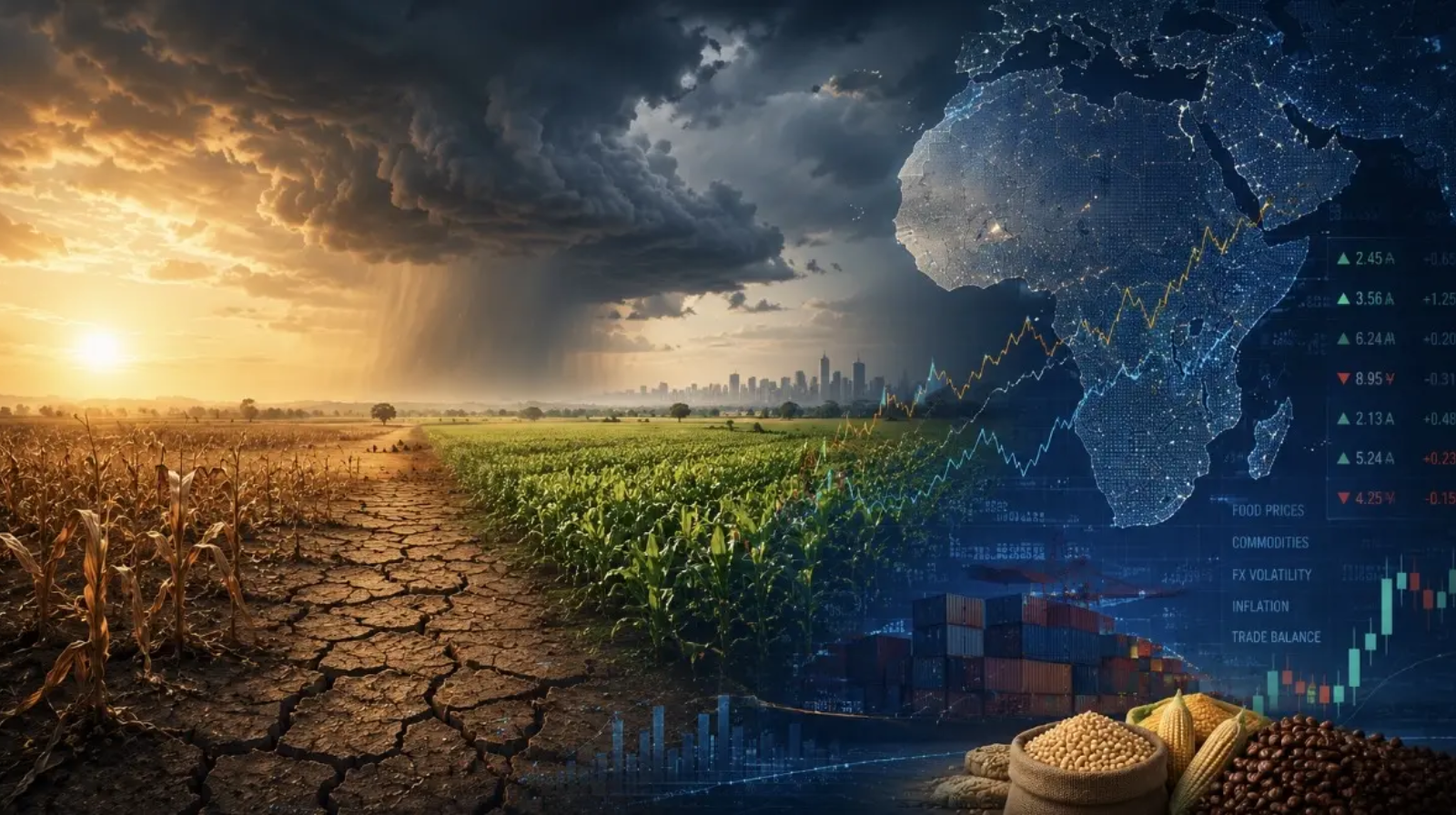
As a powerful “Super El Niño” rapidly intensifies in the Pacific—with meteorologists estimating a high probability of sea surface temperatures exceeding the +2*C anomaly threshold heading into 2027—global markets are bracing for massive supply-chain shocks.
Thank you for reading this post, don't forget to subscribe!For macro and equity traders, this climate event lands at an incredibly sensitive moment, colliding with structural fertilizer shortages and lingering geopolitical energy shocks. The result is a highly volatile environment with clear winners and losers across five key sectors.
1. Soft Commodities & Agriculture
Perennial crops are the most vulnerable to El Niño’s classic geographical split: severe drought across Southeast Asia and Australia, contrasted with heavy rainfall in the Americas.
The Bear Case (Supply Deficits)
- Cocoa & Robusta Coffee: Hot, dry conditions in West Africa and Vietnam (which supplies over 40% of global robusta) are causing severe tree stress. Unlike annual row crops, damage to these perennial plants suppresses yields across multiple subsequent harvests.
- Sugar & Rice: Historic El Niño events have slashed sugar production in India and Thailand by 20% to 30%. However, traders should note a stabilizing factor: entering late 2026, global grain inventories (specifically Indian rice) are at record highs, cushioning the price floor.
- Australian Wheat: Severe dryness is expected to cut Australian wheat output by roughly 9 million tonnes for the 2026/27 cycle.
The Bull Case (Regional Winners)
- Soybeans & Corn: Increased rainfall in the US Midwest, Brazil, and Argentina historically boosts soybean yields by 2% to 5%.
Trader’s Note: Keep a close eye on the Strait of Hormuz. Geopolitical disruptions there have doubled global urea (fertilizer) prices. Equities with unsecured fertilizer inputs will see massive margin compression, while vertically integrated agribusiness giants will significantly outperform.
2. Energy & Utilities: The Power Demand Surge
Super El Niños reliably push global temperatures to record highs, fundamentally altering regional power grids and energy demand dynamics.
- Cooling Demand & Natural Gas: Extended heatwaves across North America and Asia trigger massive surges in electricity demand for air conditioning. This directly benefits regulated power utilities and drives localized demand for natural gas.
- Hydroelectric Vulnerability: Drought conditions severely impair hydroelectric power generation in regions like South Asia and South America. When hydro fails, nations are forced to rapidly pivot to fossil-fuel imports (LNG and coal) to keep the lights on, driving up regional spot prices.
3. Biofuels: The Structural Squeeze
Global energy security concerns have already forced nations to look for alternative fuel mixtures. El Niño heavily compounds this trend.
- The Ethanol & Biodiesel Play: Major agricultural producers like Brazil are aggressively diverting larger shares of their sugar, corn, and soybean oil stockpiles away from food supply chains and into domestic biofuel production (targeting a 20% biofuel mandate in diesel).
- Market Impact: This dual-demand shock—lower raw supply due to weather paired with structural diversion into fuel—creates an incredibly bullish backdrop for large-scale agribusinesses and clean-fuel processors.
4. Mining & Industrial Metals: Logistics Disrupted
While agriculture suffers from drought, heavy torrential rains and flash flooding typically plague mining corridors in South America, Australia, and parts of Africa.
- Copper, Nickel, & Bauxite: Logistics are the primary bottleneck here. Excessive rainfall routinely triggers mine closures, halts processing facilities, and disrupts heavy rail and port transportation.
- Market Impact: Supply contractions provide strong price support for industrial and battery metals, offering a tactical tailwind for mining equities operating in lower-risk geographic zones or carrying high safety stockpiles.
5. Marine Aquaculture & Insurance: Clear Risks
- The Fishing Halt: Rising ocean temperatures rapidly alter marine ecosystems. In Peru—a powerhouse for the global fishing industry—warming waters often trigger temporary halts to the fishing season to protect collapsing stocks. This severely impacts global fishmeal supplies, sending a ripple effect through global agricultural feed costs.
- The Insurance Hit: Underwriters and property & casualty (P&C) insurers face a highly unpredictable claims landscape. While El Niño historically suppresses Atlantic hurricanes (lowering Southeast US storm risks), it amplifies catastrophic flooding and wildfire risks elsewhere, threatening to dent insurance margins into 2027.
The Bottom Line
Historically, a Super El Niño raises global non-energy commodity prices by 3% to 5%, with food commodities peaking up to 9% within a 6-to-16-month lag. For equity traders, the play is less about waiting for the actual harvest data and more about trading the anticipation of tightening.
As central banks struggle to keep a lid on inflation, shifting asset allocations toward commodity ETFs, insulated agribusinesses, and domestic energy providers offers both an inflation hedge and an active alpha strategy.
Editing by katie willimas