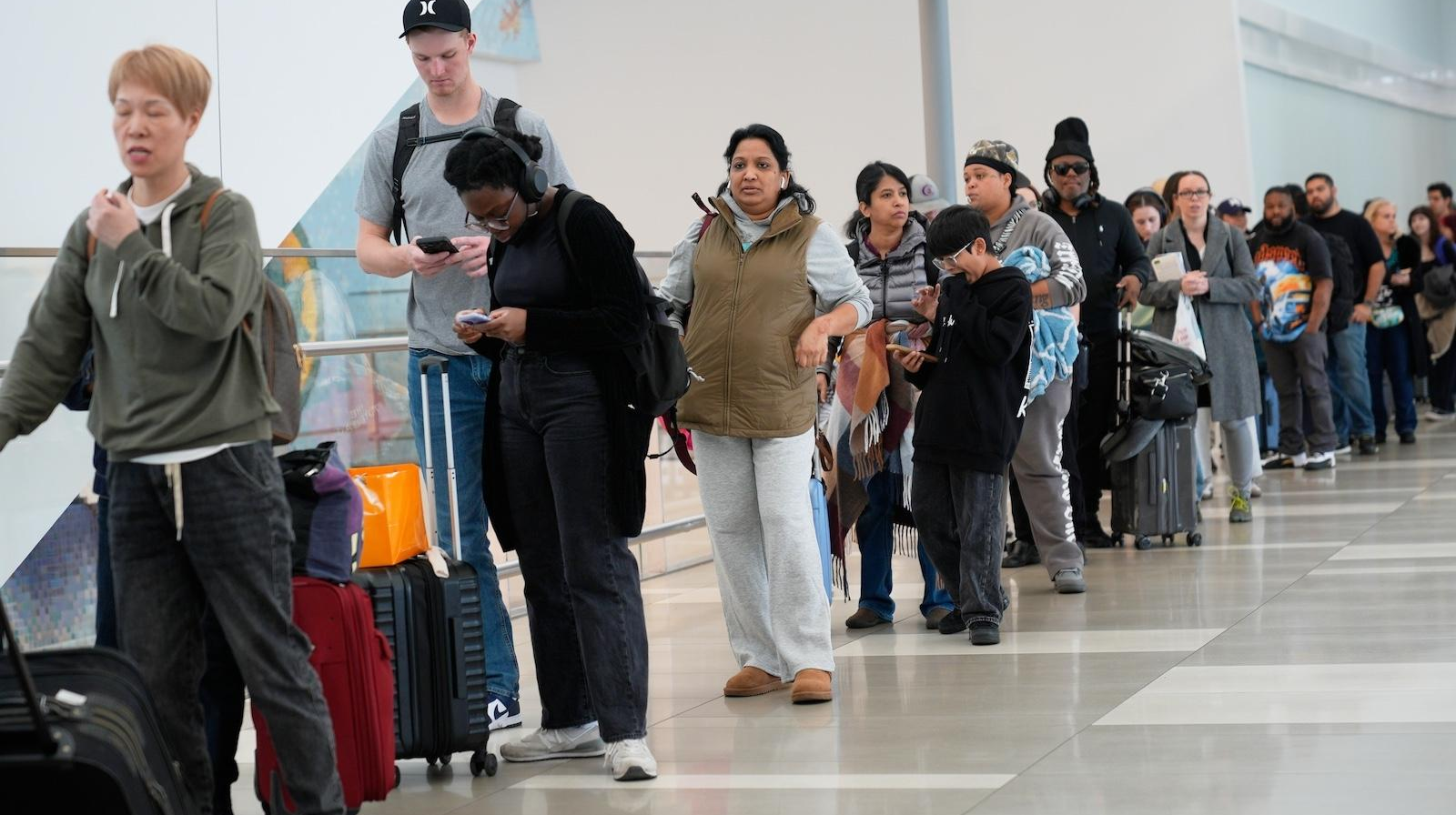
The escalating conflict involving Iran is fundamentally disrupting consumer behavior ahead of the peak summer holiday season. Instead of a total travel industry collapse, we are witnessing a dramatic market fragmentation: bookings are plunging in affected regions, while specific “safe-haven” destinations are experiencing an unexpected surge.
Thank you for reading this post, don't forget to subscribe!Here is a breakdown of how the crisis is shifting global travel patterns:
1. The Flight to Safety (The Winners)
As travelers actively pivot away from the Middle East and long-haul routes, alternative and localized markets are absorbing the redirected traffic:
- Domestic & Regional Hubs: Western European destinations and domestic markets are seeing a major influx. For example, countries like Switzerland are experiencing steady numbers due to an increase in localized rail and short-haul car travel.
- The “Late Booking” Surge: Out of caution, consumers are delaying their vacation commitments. Major carriers like easyJet and Ryanair report that while advance summer bookings are lagging, extreme late bookings (within 30 days of departure) are surging as travelers wait to assess safety.
2. The Primary Market Downturn (The Losers)
Areas close to the conflict zone or dependent on traditional Asia-Europe flight paths are facing severe contractions:
- Middle East Tourism Slump: Heightened risk perceptions and widespread official travel advisories have caused a sharp drop in regional bookings and transit inquiries for major Gulf hubs.
- The Long-Haul Crunch: Oxford Economics estimates that a prolonged conflict could slash projected international tourist arrivals to the Middle East by up to 27%.
The Economic Headwinds Driving the Shift
Beyond safety concerns, two major economic factors are forcing travelers to rethink their plans:
Skyrocketing Airfares: Closed airspaces and rising oil prices have added an estimated $100 billion to global airline fuel bills. These costs are being passed directly to consumers via fuel surcharges, making long-haul travel cost-prohibitive for families.
Capacity Bottlenecks: With standard flight corridors blocked, alternative safe routes are severely congested. This lack of seat capacity is artificially suppressing visitor numbers to tourism-dependent regions in both Europe and Asia.
The Bottom Line: Travelers aren’t canceling their summer plans entirely—they are simply trading long-haul uncertainty for closer, predictable destinations, and booking at the absolute last minute.
Editing by katie willimas