Stockpiling physical cash might feel secure, but it is a guaranteed way to lose purchasing power to inflation. Worse, physical cash is vulnerable to theft, fire, and damage.
To safely protect and grow your money, you need a secure, insured account that pays you interest. Here are the 7 best places to keep your liquid savings, ranked by how they work.
1. Checking Accounts
- The Deal: Your everyday financial hub. Excellent for paying bills, debit card spending, and ATM access.
- The Catch: They rarely pay interest, and keeping too much cash here makes it tempting to spend.
- Best For: Operating capital (1–2 months of living expenses).
2. Traditional Savings Accounts
- The Deal: Safe, brick-and-mortar bank accounts insured by the FDIC or NCUA.
- The Catch: The interest rates are abysmally low (often around 0.01% APY). A $10,000 balance might only earn $1 in an entire year.
- Best For: A small overdraft safety net tied directly to your checking account.
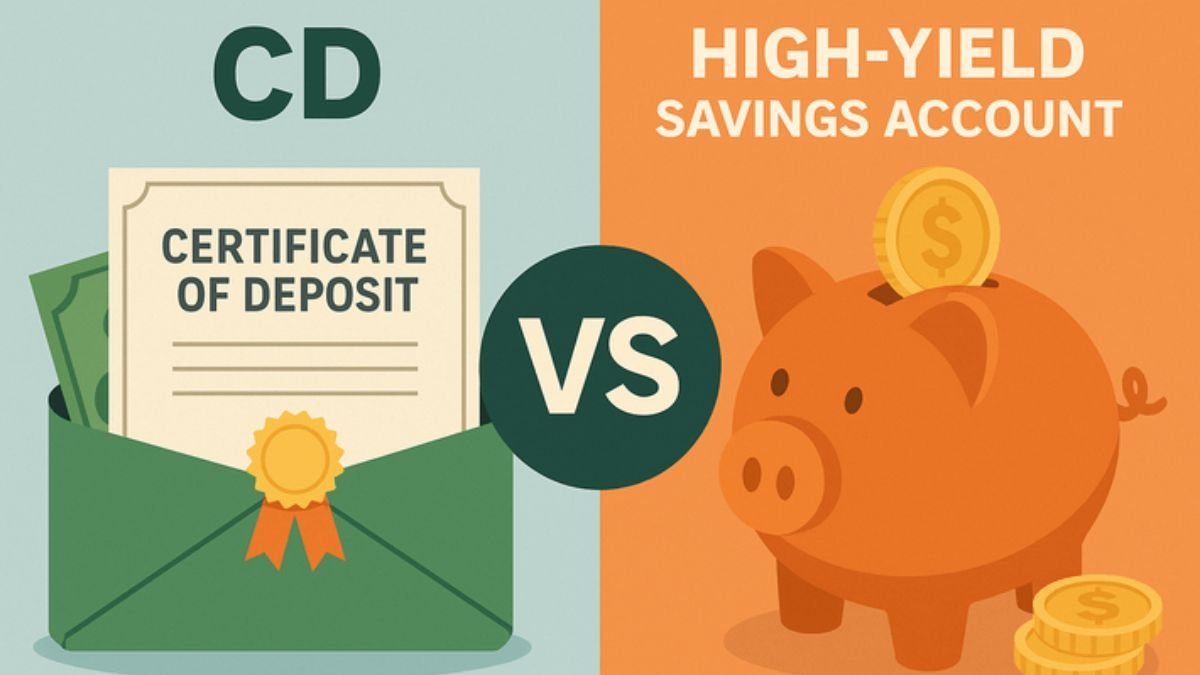
3. High-Yield Savings Accounts (HYSAs)
- The Deal: Functionally identical to regular savings accounts, but they pay competitive rates (often 4% APY or higher) because they are usually run by online-only banks.
- The Catch: It can take 1 to 3 business days to electronic-transfer funds back to your traditional checking account.
- Best For: Your core emergency fund (3–6 months of expenses).
4. Money Market Accounts (MMAs)
- The Deal: A hybrid account that offers the high interest rates of an HYSA but includes checking features like a debit card or check-writing privileges.
- The Catch: They often require much higher minimum balances to avoid fees or to qualify for the best rates.
- Best For: Emergency funds you want to be able to write a physical check from instantly.
5. Cash Management Accounts (CMAs)
- The Deal: Offered by non-bank brokerage firms. They yield high interest and sweep your cash across multiple partner banks, which can effectively give you millions in FDIC insurance coverage.
- The Catch: Features vary wildly by brokerage; when money is in transit, it is covered by SIPC insurance rather than FDIC.
- Best For: Investors who want to keep cash liquid and easily transferable into stocks or bonds.
6. Certificates of Deposit (CDs)
- The Deal: You agree to lock your money away for a set term (from a few months to several years) in exchange for a guaranteed, fixed interest rate.
- The Catch: If you need to crack open the CD early, you will face hefty early-withdrawal penalties.
- Best For: Savings for a specific, timed future goal (like a wedding or home down payment next year).
7. Short-Term Treasury Bills (T-Bills)
- The Deal: Short-term debt issued directly by the U.S. government, bought at a discount and paid out at full face value in 1 year or less.
- The Catch: Requires a TreasuryDirect or brokerage account to buy, and the money is locked until maturity (though they can be sold early on the secondary market if needed).
- Best For: High-net-worth individuals wanting safe yields on cash balances that exceed the $250,000 bank FDIC limit.
How to Decide Where Your Money Goes
The Golden Rule: Match the account to your timeline.
- Need it tomorrow? Keep it in Checking or an MMA.
- Need it for an emergency this year? Put it in an HYSA.
- Need it for a specific goal in 12 months? Lock it into a CD or T-Bill to guarantee your return, especially if interest rates are expected to fall.
Editing by katie willimas

Suresh holds a Master of Commerce (M.Com) degree and is a dedicated personal finance researcher and writer. Combining his advanced academic background in commerce with deep industry research, he covers complex topics like taxation, banking systems, credit analysis, and personal finance strategies. As the founder of Tax Assistant (taxassistant.org), Suresh is committed to translating complicated financial guidelines and economic data into simple, accurate, and actionable educational resources for everyday readers.