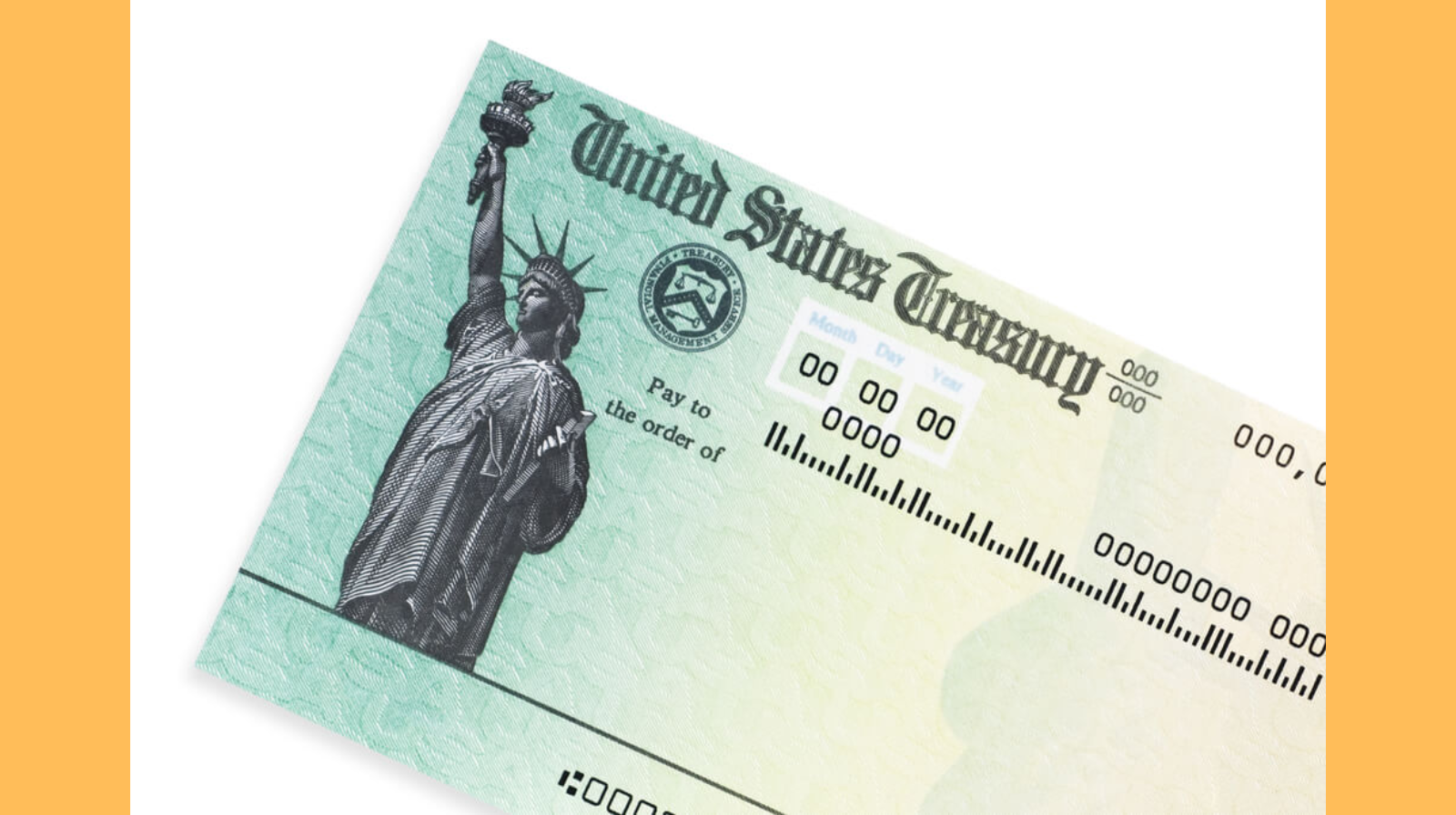
When you receive a paper check, your best move is to cash or deposit it immediately. Life gets busy, but letting a check sit around can turn it into a financial headache. Once a check passes its expiration date, it becomes “stale,” and you risk losing out on those funds entirely.
While the general rule of thumb for most checks is six months, the exact expiration timeline depends entirely on the type of check you are holding.
Check Expiration Timelines at a Glance
| Check Type | Typical Validity | Post-Expiration Process |
| Personal Checks | 6 months (180 days) | Banks can refuse them. If processed and they bounce, you pay the fees. |
| Payroll Checks | 6 months | Employers must hold funds for 30 days. You have 1–3 years to request a reissue. |
| Government Checks | 6 months to 1 year | Varies by agency. Replacement can be requested before funds move to unclaimed property. |
| Cashier’s Checks | 60 to 180 days | Dependent on bank policy; check for a “void after” date on the front. |
| Traveler’s Checks | Never | Valid indefinitely, provided the issuing institution is still in business. |
1. Personal Checks (6 Months)
Under the Uniform Commercial Code (UCC), banks and credit unions are not legally required to accept personal checks that are older than six months (180 days).
The Risk: Many banks will still honor a stale check as a courtesy, even if the issuer wrote “Void after 90 days” on the memo line. However, if the issuer’s account no longer has the funds, the check will bounce, and you will be held responsible.
2. Payroll Checks (6 Months)
Paper paychecks are becoming rare—fewer than 3% of workers still receive them—but they generally carry a six-month expiration date.
- The 30-Day Rule: By law, employers are only required to keep the funds available in their account for 30 days after issuance.
- Getting a Reissue: If your paycheck expires, you typically have one to three years (depending on state law) to ask HR or your payroll department for a replacement.
- Unclaimed Property: If you wait too long, the employer must turn those funds over to the state as unclaimed property, forcing you to file a claim with your state’s treasury.
3. Cashier’s Checks (60 to 180 Days)
Because cashier’s checks are backed by the bank’s own funds, they are highly secure, but they do not last forever. They usually expire within 60 to 180 days, depending on the bank’s specific policy. Always look for a specific “void date” printed directly on the check.
4. Government Checks (6 Months to 1 Year)
Checks from local, state, or federal government agencies (like tax refunds) are usually valid for six months to a year.
- If a federal check expires, you can contact the issuing agency to request a reissue. For expired IRS tax refund checks, you can call 800-829-0115.
- If the reissue window has closed, check your state’s unclaimed property office to recover the funds.
5. Traveler’s Checks (No Expiration)
As long as the financial institution that issued your traveler’s checks remains in business, the checks are good forever. You can use them for travel or cash them in years after purchase.
The Hidden Danger of Depositing an Expired Check
Trying to deposit a stale check can backfire on your bank account. Even if your bank initially accepts the deposit and credits your account, the issuing bank can still reject the transaction days later.
Common reasons an expired check gets rejected include:
- Insufficient funds in the sender’s account.
- The sender’s account has been closed.
- The sender placed a stop-payment order.
The Financial Hit: If the check is ultimately rejected, your bank will withdraw the full check amount back out of your account. On top of that, you will likely be hit with a returned check fee (usually around $35). If that sudden withdrawal drops your balance into the negative, you could face an additional overdraft fee (another $35).
How to Handle an Expired Check
If You Received the Check:
- Don’t guess: Call your bank and the issuing bank to ask about their specific stale-check policies before trying to deposit it.
- Ask for a rewrite: The safest route is always to contact the person or business who wrote the check, explain the situation, and ask for a replacement.
If You Wrote the Check:
- Follow up: If you notice a check you wrote hasn’t cleared after a few months, reach out to the recipient to ensure it wasn’t lost or stolen.
- Protect yourself: You can place a stop-payment order on the old check, but it is best to ask the recipient to physically destroy the old check before you write them a new one.
Editing by katie willimas

Suresh holds a Master of Commerce (M.Com) degree and is a dedicated personal finance researcher and writer. Combining his advanced academic background in commerce with deep industry research, he covers complex topics like taxation, banking systems, credit analysis, and personal finance strategies. As the founder of Tax Assistant (taxassistant.org), Suresh is committed to translating complicated financial guidelines and economic data into simple, accurate, and actionable educational resources for everyday readers.