The mid-2020s witnessed an unprecedented collision between the White House and the Holy See, a confrontation that many historians now believe transformed Pope Leo XIV from a cautious administrator into a formidable global orator. While the friction was intense, it provided the American-born Pontiff with the perfect foil to define his moral authority.
Thank you for reading this post, don't forget to subscribe!The Spark: A War of Words and Images
- Policy Clashes: Trump’s “America First” stance on immigration and aggressive military positioning toward Iran stood in direct opposition to the Pope’s calls for diplomacy and humanitarian aid.
- The “Weak” Label: Using his signature social media style, Trump labeled Leo XIV as “weak” and out of touch with modern security concerns, hoping to undermine the Pope’s influence with Catholic voters.
- Symbolic Provocation: The sharing of AI-generated imagery depicting the President in a messianic light caused a significant rift, forcing the Vatican to address what it viewed as a trivialization of faith.
The Transformation: From Chicago to the World Stage
Before this conflict, Pope Leo XIV—formerly an Archbishop from Chicago—was perceived by many as a “safe” choice who might avoid controversy. The Trump administration’s attacks backfired, instead acting as a catalyst for the Pope’s emergence as a vocal critic.
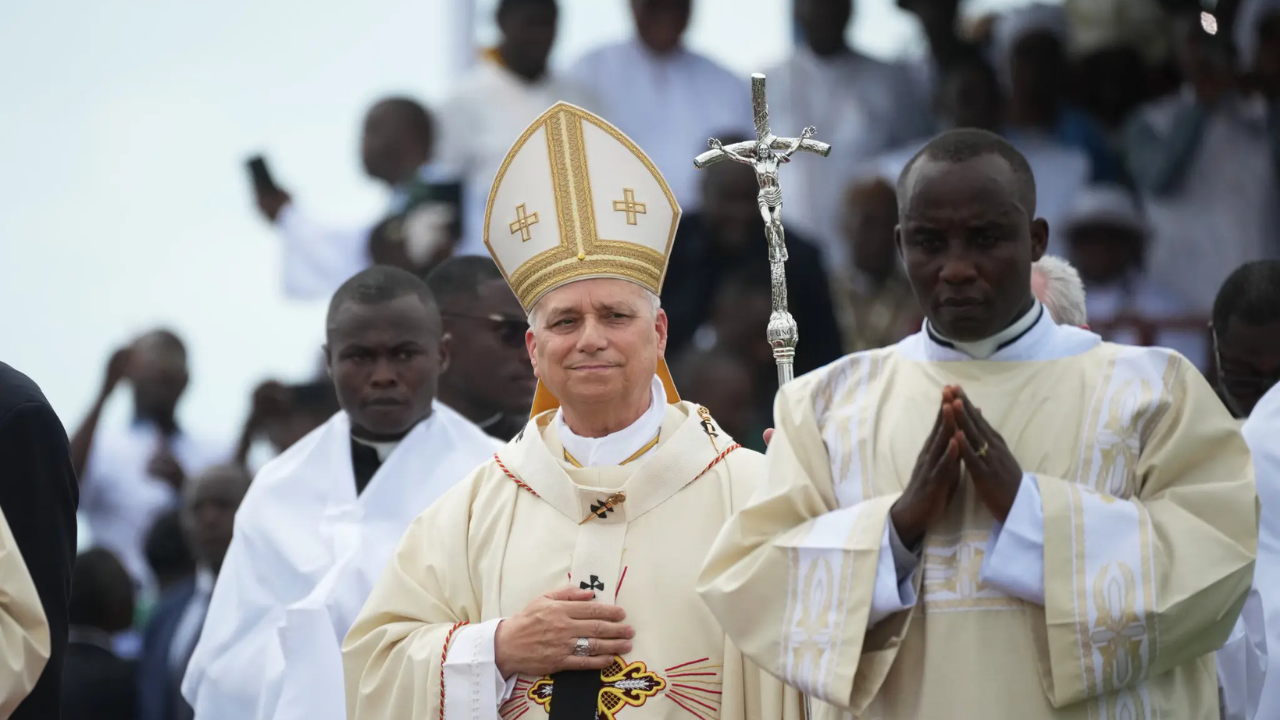
- The African Tour Declaration: During his April 2026 trip through Angola and Algeria, the Pope discarded his prepared scripts. He told the press he had “no fear” of the administration’s rhetoric, a moment widely cited as the point he truly “found his voice.”
- Strategic Independence: By standing firm against a President from his own home country, Leo XIV successfully signaled to the global community that his papacy would not be a tool of Western politics.
- The Moral Counter-Narrative: Leo XIV pivoted from administrative reform to a “moral counter-offensive,” framing his messages around the protection of the vulnerable—directly contrasting with the “tough” persona projected by the White House.
The Outcome
Ultimately, the feud served as an unexpected apprenticeship in global leadership for Leo XIV. Rather than being sidelined by political pressure, the Pope utilized the international media coverage of the rift to amplify his message. By the end of April 2026, Leo XIV was no longer just the “American Pope”; he had become a distinct and defiant moral voice on the world stage.

"Suresh Kumar Saini is an experienced Tax Assistant and finance writer. He specializes in US & Canada Tax Guide, Indian Income Tax laws, GST compliance, and personal finance, helping freelancers and remote workers optimize their taxes."