In a notable strategic pivot, President Trump has extended a sanctions exemption for several Russian oil shipments. While the administration has maintained a “Maximum Pressure” stance, the current economic climate—defined by a volatile energy market and rising costs—has prompted a temporary tactical adjustment.
The Economic Driver: Record Highs at the Pump
- Gasoline: National averages have climbed by 30%, frequently exceeding $4.00 per gallon.
- Diesel: Prices have crossed the $5.00 threshold, a 40% increase that threatens to inflate the cost of everyday goods through higher shipping and logistics fees.
A Complex Geopolitical Chess Match
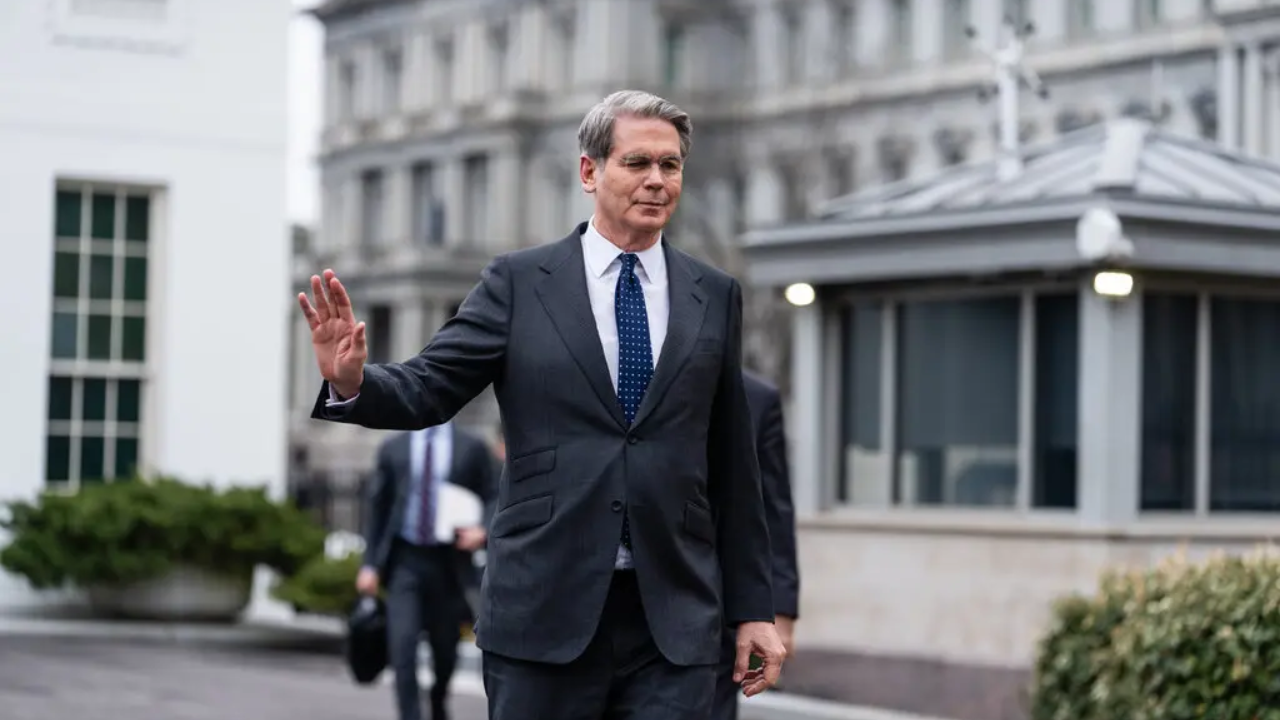
- The Conflict: Despite the unexpected nature of the waiver, Secretary Scott Bessent’s Treasury Department is navigating a landscape where blocking these barrels could trigger a severe supply squeeze.
- Market Relief: While Iran’s recent announcement regarding the reopening of the Strait of Hormuz has cooled oil futures slightly, the White House is opting for caution to ensure prices don’t spiral further.
- Internal Friction: The decision has already met with resistance on Capitol Hill, as critics argue that any flexibility on sanctions provides Moscow with a financial reprieve during a time of global tension.
The administration remains focused on stabilizing energy markets as the situation in West Asia continues to evolve.

Suresh holds a Master of Commerce (M.Com) degree and is a dedicated personal finance researcher and writer. Combining his advanced academic background in commerce with deep industry research, he covers complex topics like taxation, banking systems, credit analysis, and personal finance strategies. As the founder of Tax Assistant (taxassistant.org), Suresh is committed to translating complicated financial guidelines and economic data into simple, accurate, and actionable educational resources for everyday readers.