1. Navigation Resumes Amid “Fragile Hopes”
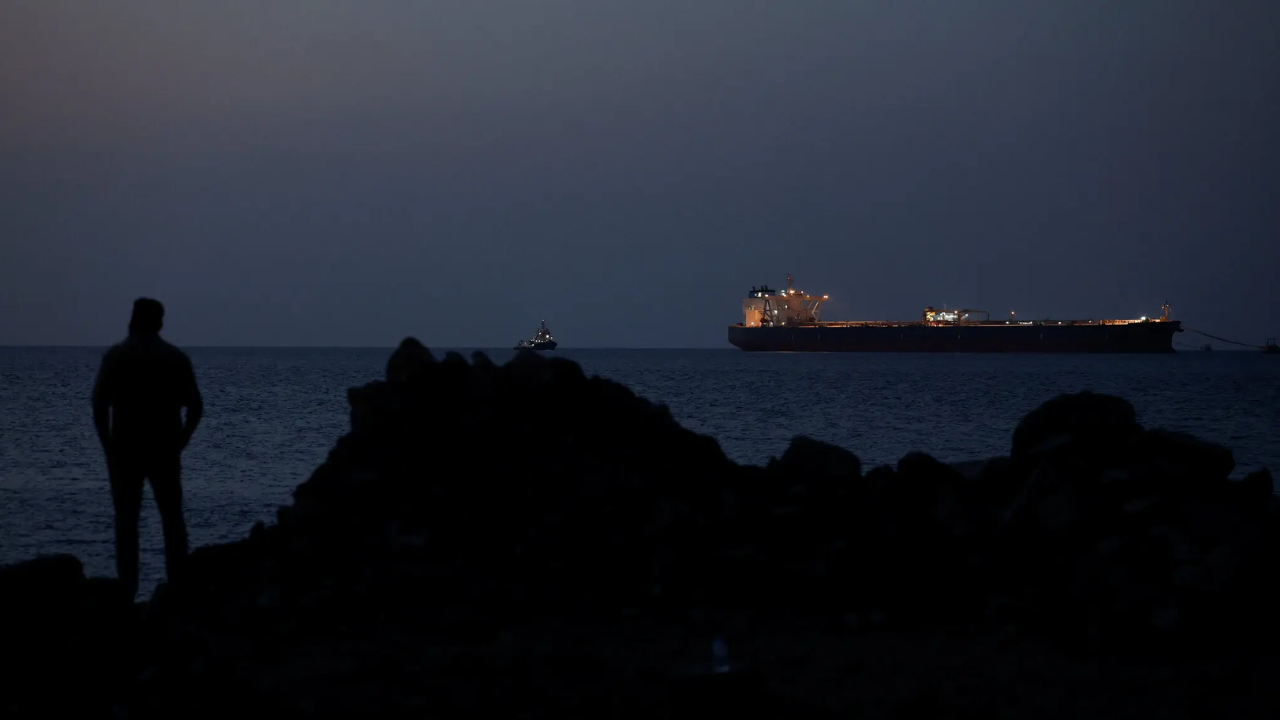
Iranian Foreign Minister Abbas Araghchi officially declared the Strait of Hormuz “completely open” for commercial vessels for the remainder of the current U.S.-Iran ceasefire. This announcement triggered an immediate rally in global stock markets and a sharp 10% drop in oil prices, with Brent crude dipping toward $88 a barrel.
Thank you for reading this post, don't forget to subscribe!2. Trump Claims “Near-Total” Peace Deal
3. The Iranian Counter-Narrative
Despite the optimism from Washington, Tehran is signaling caution.
- Parliamentary Warning: Speaker Mohammad Bagher Ghalibaf warned this morning that the opening is conditional. He stated that if the U.S. naval blockade on Iranian ports continues, the Strait will not remain open.
- Field Control: Ghalibaf emphasized that the Strait’s status is “determined in the field, not by social media,” and that ships must still follow “designated routes” under Iranian authorization.
- Nuclear Denial: Iranian officials have pushed back on Trump’s “excavator” claims, insisting that their uranium stockpile will not be transferred abroad.
Status Snapshot: April 18, 2026
| Entity | Current Status | Key Update |
| Strait of Hormuz | Open (Conditional) | Transit has resumed; however, some vessels reported halting on Friday evening while waiting for security guarantees. |
| U.S. Navy | Active Blockade | The U.S. continues to intercept “sanctioned material” destined for Iranian ports despite the open Strait. |
| Lebanon Front | Ceasefire Holding | The 10-day truce between Israel and Hezbollah remains largely intact for its second full day. |
| Mediation | Pakistan-Led | Second-round talks are being prepared in Islamabad; Trump may travel there to sign a final agreement if progress continues. |
The Bottom Line
While the reopening of the Strait is a massive relief for global trade, the “peace” remains on a knife-edge. The conflict’s resolution now hinges on whether the U.S. will lift its naval blockade in exchange for the nuclear concessions Trump claims are already won.