As of April 18, 2026, the ceasefire brokered between Israel and Lebanon is holding, marking the first significant pause in a conflict that has reshaped the region over the last several weeks.
Thank you for reading this post, don't forget to subscribe!Current Snapshot
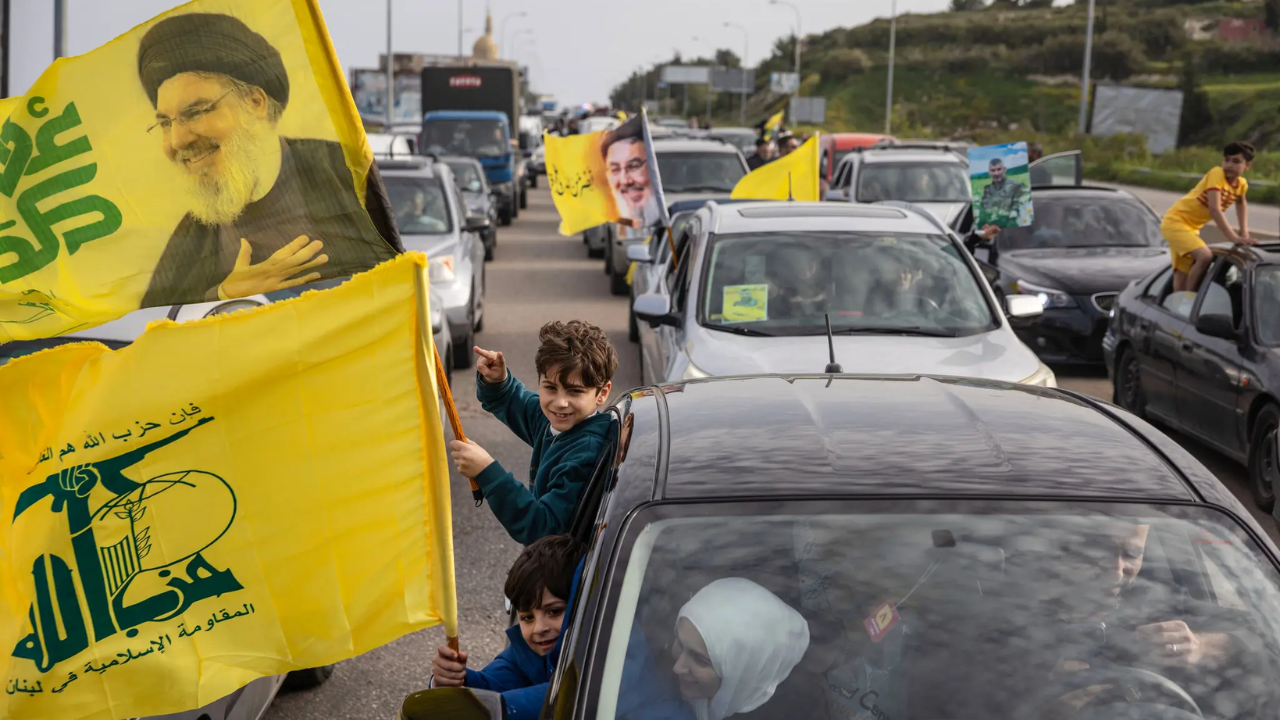
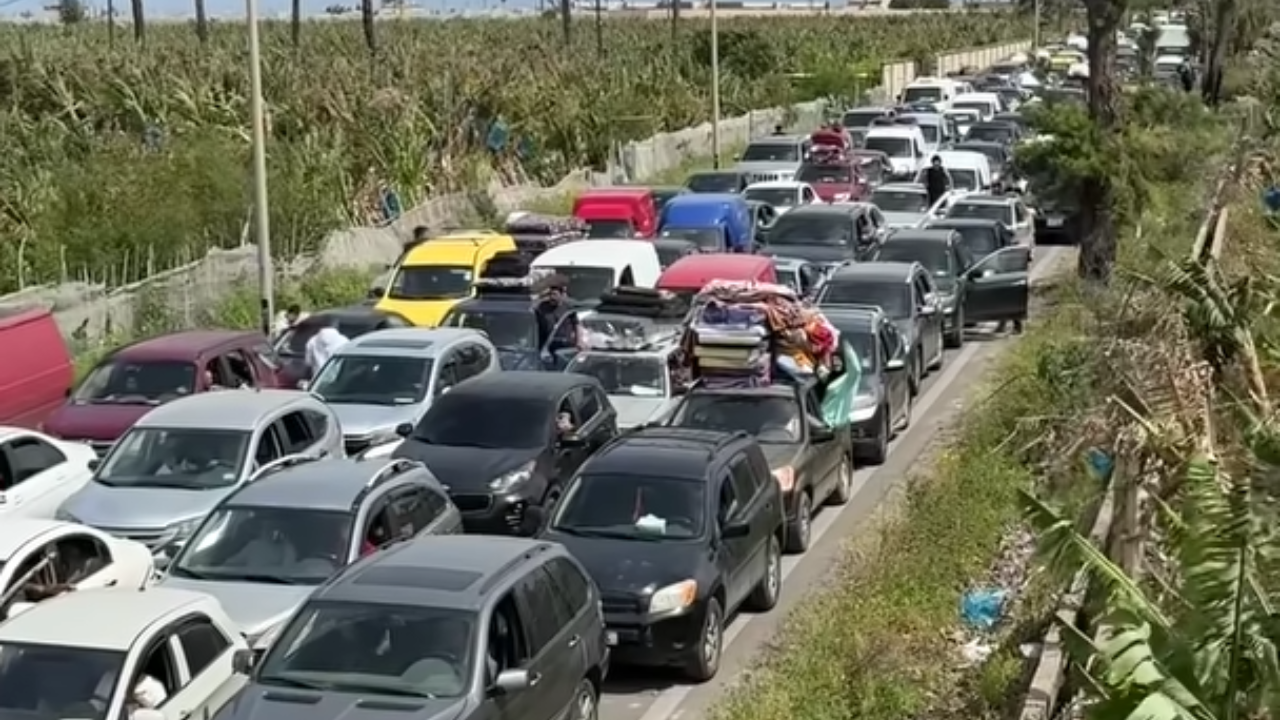
- The Homeward Rush: Following the midnight commencement of the truce on Friday, arterial roads leading to Southern Lebanon and the Bekaa Valley became jammed with thousands of vehicles. Families are returning to see what remains of their neighborhoods, often with belongings strapped to car roofs.
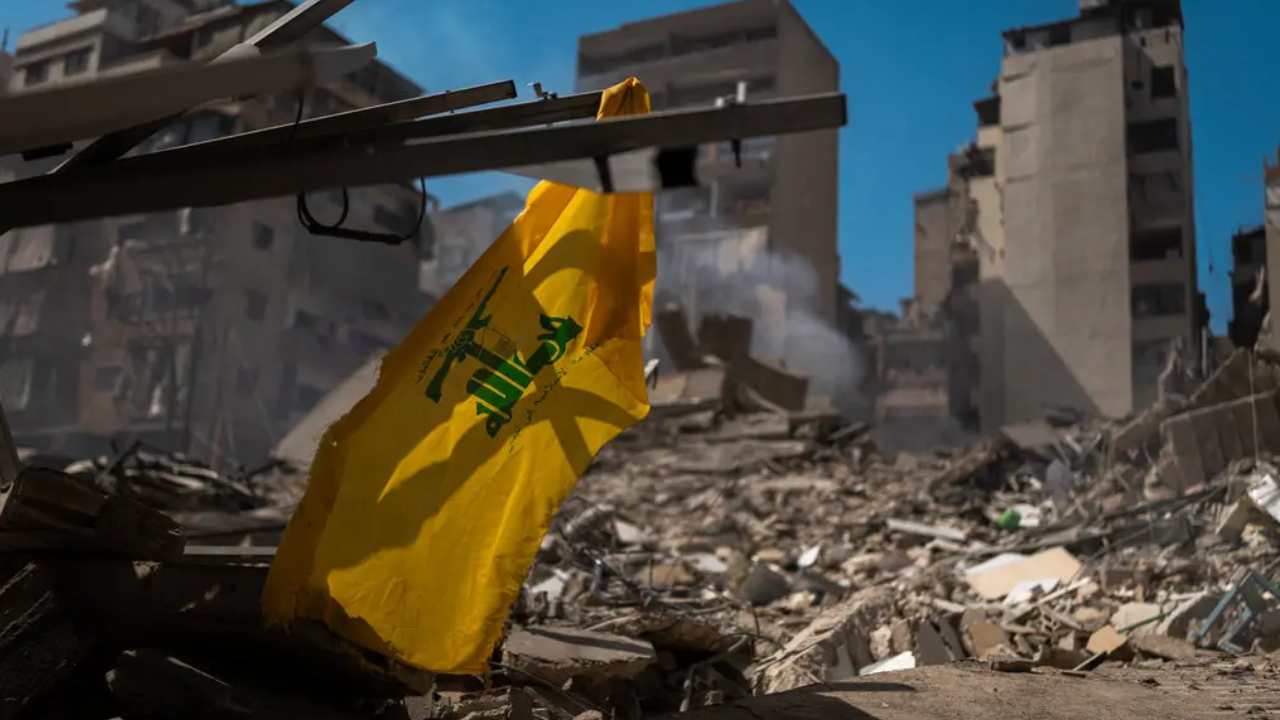
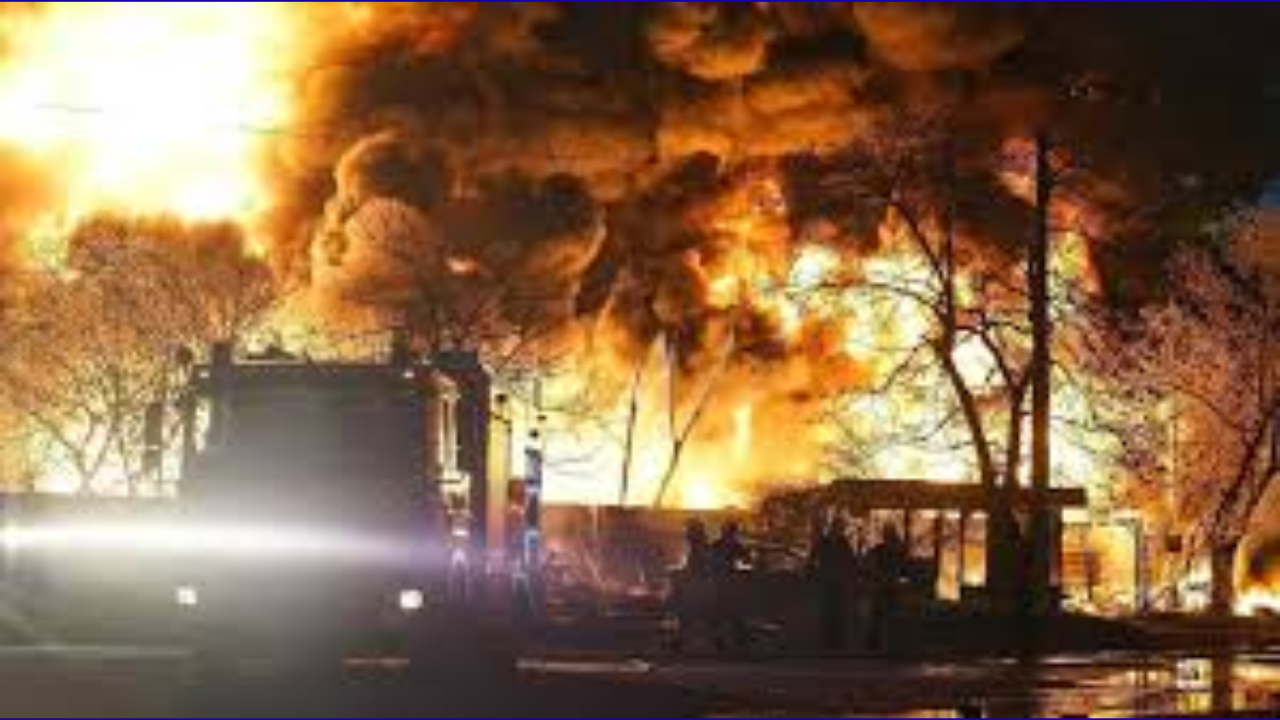
- A Landscape Transformed: Returning residents face a grim reality. In areas like Beirut’s southern suburbs, entire blocks have been reduced to craters and twisted metal. Local teams are already working to clear main thoroughfares, but the scale of the debris is massive.
- Military Stance: The IDF remains in specific forward positions in the south, maintaining a “buffer zone” while monitoring the withdrawal of armed groups. Meanwhile, the Lebanese Army is preparing to increase its presence south of the Litani River as part of the truce’s security arrangements.
The Truce Framework
| Category | Status |
| Duration | 10 Days (intended as a cooling-off period for permanent talks). |
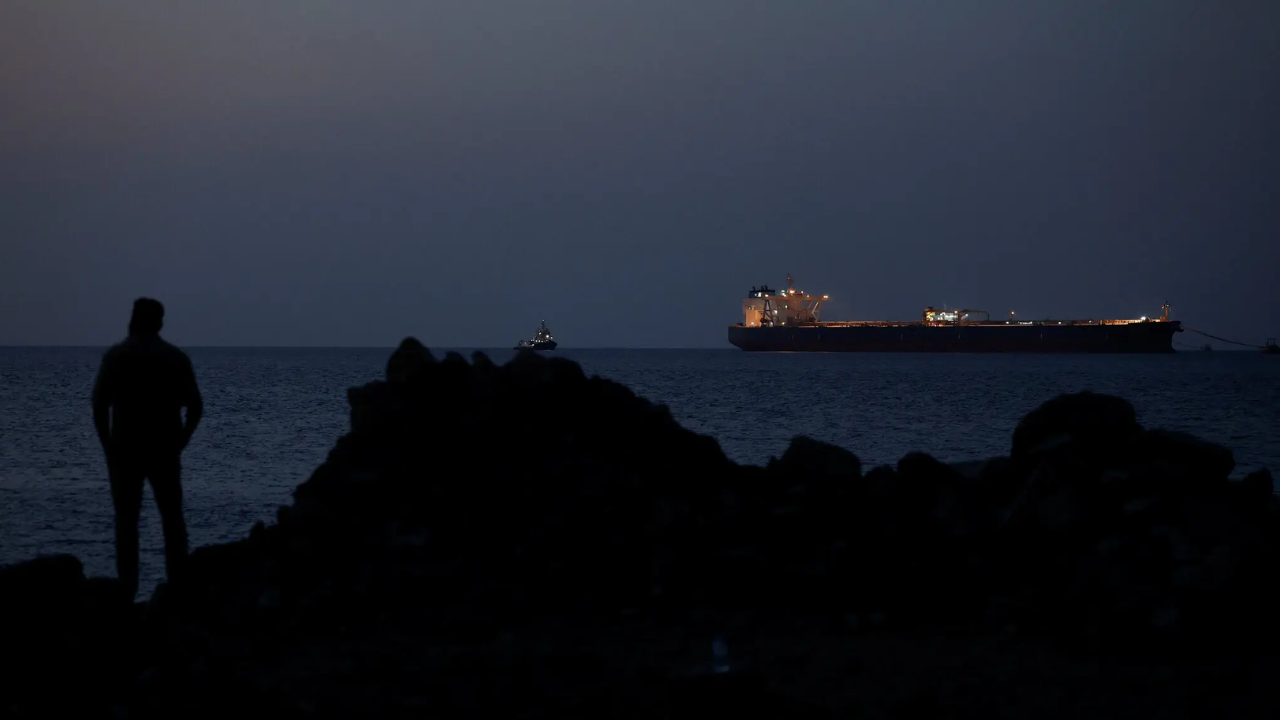
| Regional Impact | Iran has signaled a de-escalation by keeping the Strait of Hormuz open. |
| Next Steps | High-level meetings are expected in Washington D.C. within the week. |
The Risks Ahead
While the guns have fallen silent, the situation remains “high-alert.”
- Unexploded Ordnance: Authorities have issued urgent warnings to civilians about “silent killers”—unexploded missiles and cluster munitions hidden in the rubble of homes.
- Fragile Trust: Both sides have stated they will respond with force to any perceived violations. The success of this 10-day window depends heavily on whether the separate U.S.-Iran tension continues to ease before its own deadline on April 22.