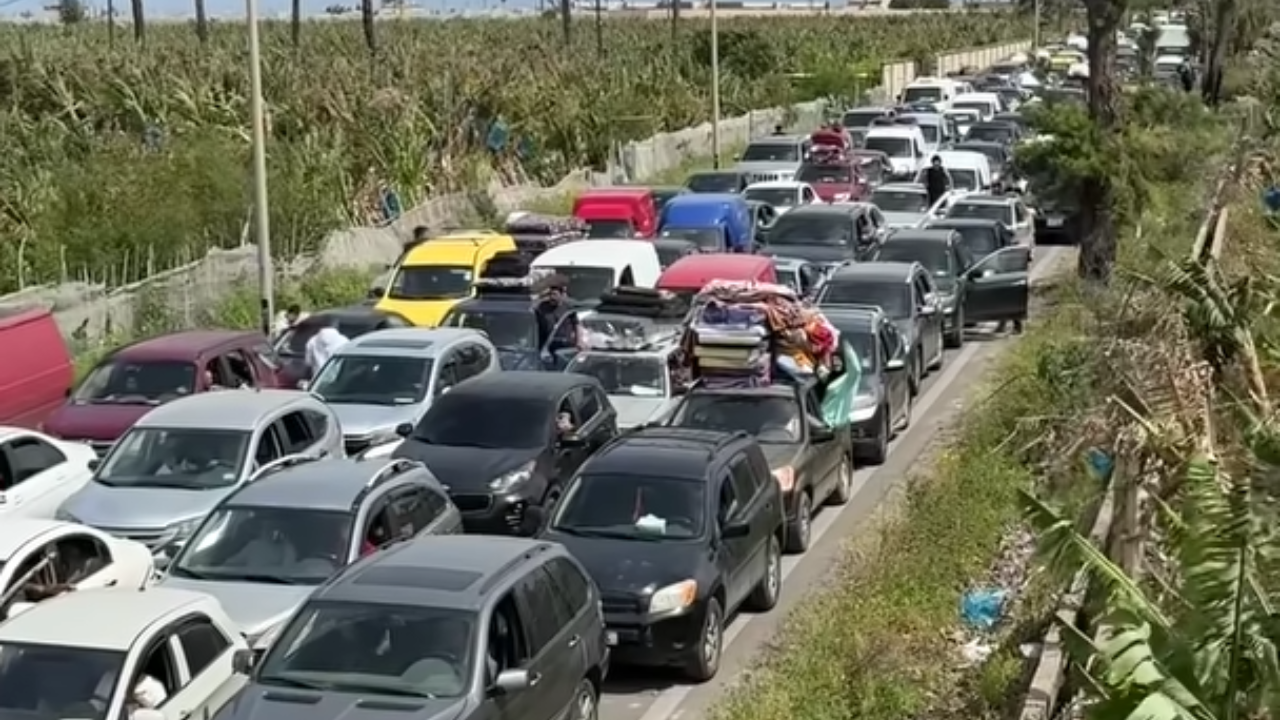
The coastal highways of Lebanon turned into massive, slow-moving parking lots this Friday as thousands of displaced citizens surged toward the south. Driven by the singular sentiment, “I just want to be back,” families ignored military warnings and navigated damaged infrastructure to reach their villages following the announcement of a 10-day humanitarian truce.
Thank you for reading this post, don't forget to subscribe!The Great Return
- Logistical Hurdles: The Lebanese Army worked quickly to create bypasses around destroyed infrastructure, including the critical Qasmieh bridge, which had been struck just 24 hours prior.
- Defying the Risks: Both the Israeli military and the Lebanese Army issued stern warnings against moving south of the Litani River, citing the presence of unexploded ordnance and active security zones. However, for many of the 1.2 million displaced, the pull of home outweighed the physical risks.
- Scenes on the Road: Cars were piled high with mattresses, water tanks, and suitcases. Many returnees expressed a grim resolve: they would rather sleep in the ruins of their own homes than remain in temporary shelters.
The State of the Truce
While the 10-day window offers a desperate breath of air for the region, it remains incredibly fragile.
- Military Presence: Israel continues to maintain a “security buffer” inside Lebanese territory, and Hezbollah’s commitment to the pause is viewed by many analysts as conditional.
- A Regional Ripple Effect: The pause in fighting has already eased some global tensions, most notably with Iran’s decision to reopen the Strait of Hormuz to commercial shipping for the duration of the truce.