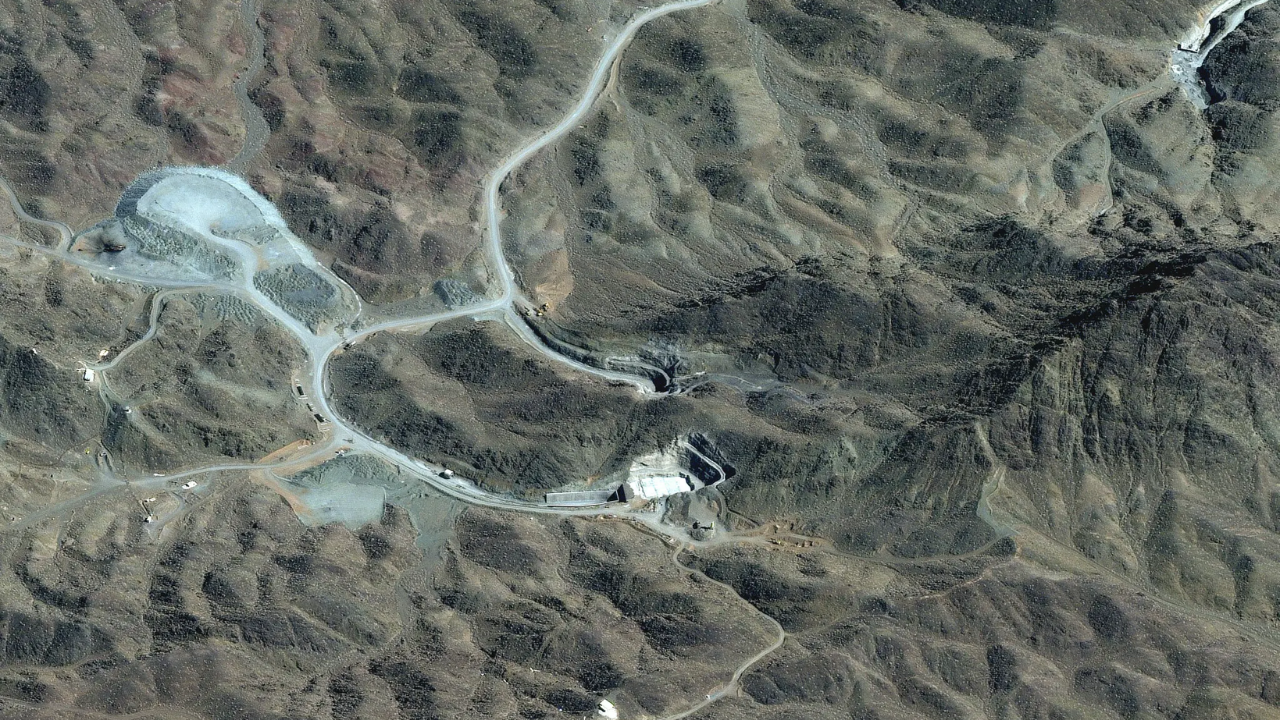
The focus of these reports is the Fordow Fuel Enrichment Plant in Iran. Buried under approximately 80 meters (260 feet) of rock and earth, the facility was long considered immune to conventional airstrikes.
As of April 2026, the situation has shifted from theoretical threats to active military and diplomatic maneuvers.
Operation Midnight Hammer
- The Arsenal: The U.S. utilized B-2 Spirit stealth bombers equipped with the GBU-57A/B Massive Ordnance Penetrator (MOP). These 30,000-pound “bunker busters” are specifically engineered to penetrate deep-earth fortifications.
- The Impact: While the administration initially declared the sites “obliterated,” leaked intelligence suggests that while surface infrastructure and tunnel entrances were devastated, the deepest chambers may still be intact.
The “Nuclear Dust” Controversy
The current pressure on the President centers on what he describes as “nuclear dust”—highly enriched uranium (HEU) trapped within the wreckage of the bombed sites.
- Physical Retrieval: At a recent event, Trump proposed using massive excavation equipment to physically remove the uranium and transport it to the U.S.
- Diplomatic Gridlock: Despite claims of a pending deal, Iranian officials have denied any agreement to hand over their remaining uranium stockpiles.
- Safety Warnings: Experts warn that “reclaiming” this material via excavation is high-risk, citing potential radiation leaks and chemical exposure from damaged storage containers.
Strategic Outlook
The urgency is fueled by a volatile regional landscape. Following the 2025 strikes, Iran launched retaliatory measures near Israel’s Dimona facility earlier this year. The Trump administration is currently maintaining a naval blockade of the Strait of Hormuz, using it as leverage to demand the total dismantlement of Iran’s nuclear capabilities.

Suresh holds a Master of Commerce (M.Com) degree and is a dedicated personal finance researcher and writer. Combining his advanced academic background in commerce with deep industry research, he covers complex topics like taxation, banking systems, credit analysis, and personal finance strategies. As the founder of Tax Assistant (taxassistant.org), Suresh is committed to translating complicated financial guidelines and economic data into simple, accurate, and actionable educational resources for everyday readers.