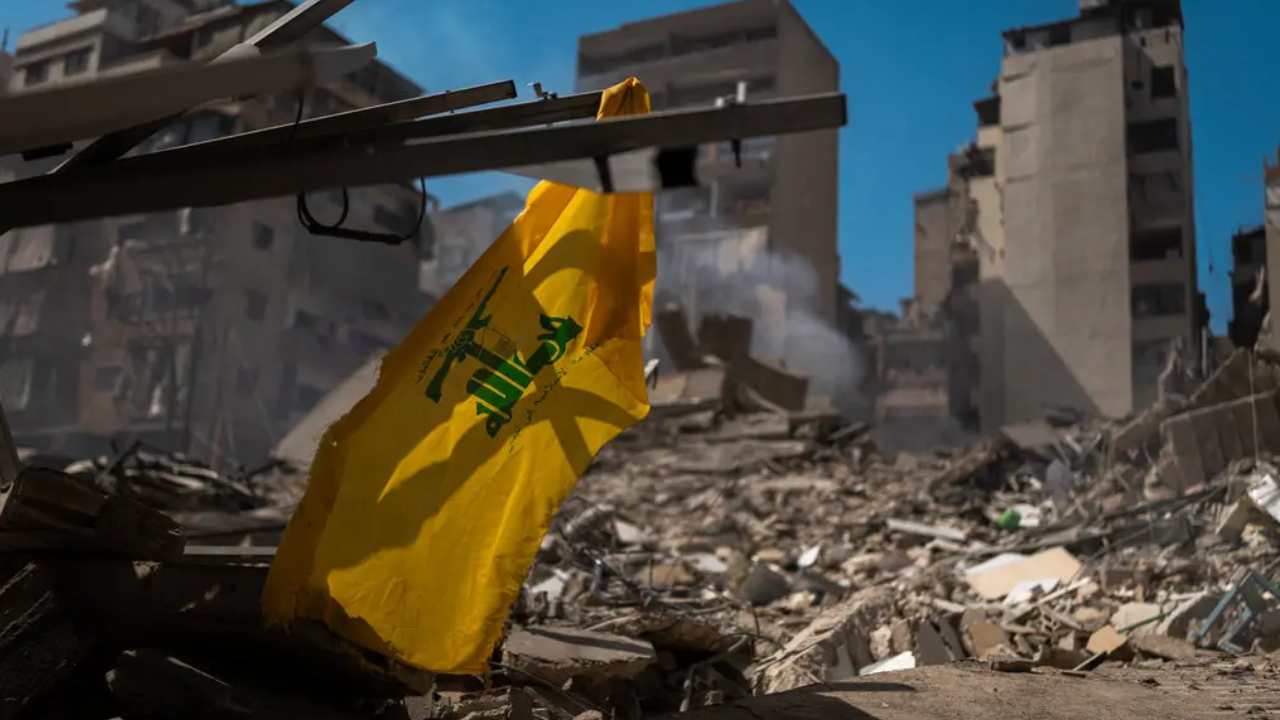
Lebanon’s inability to contain Hezbollah isn’t just a failure of policy—it’s a structural reality of the Lebanese state. For decades, the government has walked a tightrope: challenging the group’s military autonomy risks an immediate civil war, while doing nothing leaves the country’s sovereignty in a state of permanent compromise.
Here is why this “state within a state” has proven so resilient:
1. The Legitimized Arsenal
2. Filling the Vacuum
In many parts of Lebanon, Hezbollah isn’t just a militia—it’s the landlord, the doctor, and the banker. By providing hospitals, schools, and social safety nets that the bankrupt central government cannot, they have secured a “bottom-up” loyalty that makes any government crackdown a direct threat to the survival of the people in those regions.
3. The Power of the Veto
Hezbollah has been a fixture in the Lebanese Parliament since 1992. By forming strategic alliances and holding key cabinet positions, they have effectively paralyzed any legislative attempts to curb their influence. When the government did try to move against them—most notably in 2008—Hezbollah demonstrated its “street power” by briefly seizing parts of Beirut, sending a clear message: disarmament equals conflict.
4. The Iranian Lifeline
Hezbollah is the centerpiece of Iran’s regional strategy. With a steady flow of sophisticated weaponry, funding, and training from the IRGC, the group is often better equipped than the actual national army. This external backing means the group answers to a regional agenda that often outweighs Lebanese national interests.
The Current Turning Point (2025–2026)
As of early 2026, the landscape is shifting. Following the heavy escalations of the past year, the pressure for a “state-only” military has reached a fever pitch.
- Financial Leverage: International aid packages are now strictly tied to the government’s ability to reclaim its borders and disarm non-state actors.
- The Litani Shift: While the Lebanese Army has begun a slow expansion into former Hezbollah strongholds in the south, the group remains deeply embedded in the country’s social and political fabric.
The fundamental question for Lebanon in 2026 remains: Can the state offer its people enough security and stability to make Hezbollah’s “resistance” narrative obsolete?

Suresh holds a Master of Commerce (M.Com) degree and is a dedicated personal finance researcher and writer. Combining his advanced academic background in commerce with deep industry research, he covers complex topics like taxation, banking systems, credit analysis, and personal finance strategies. As the founder of Tax Assistant (taxassistant.org), Suresh is committed to translating complicated financial guidelines and economic data into simple, accurate, and actionable educational resources for everyday readers.