US equity markets are experiencing a classic “risk-off” response as geopolitical headlines dictate the daily narrative. After a brief bounce on optimism surrounding back-channel negotiations in Qatar, US stock futures have slipped back into the red.
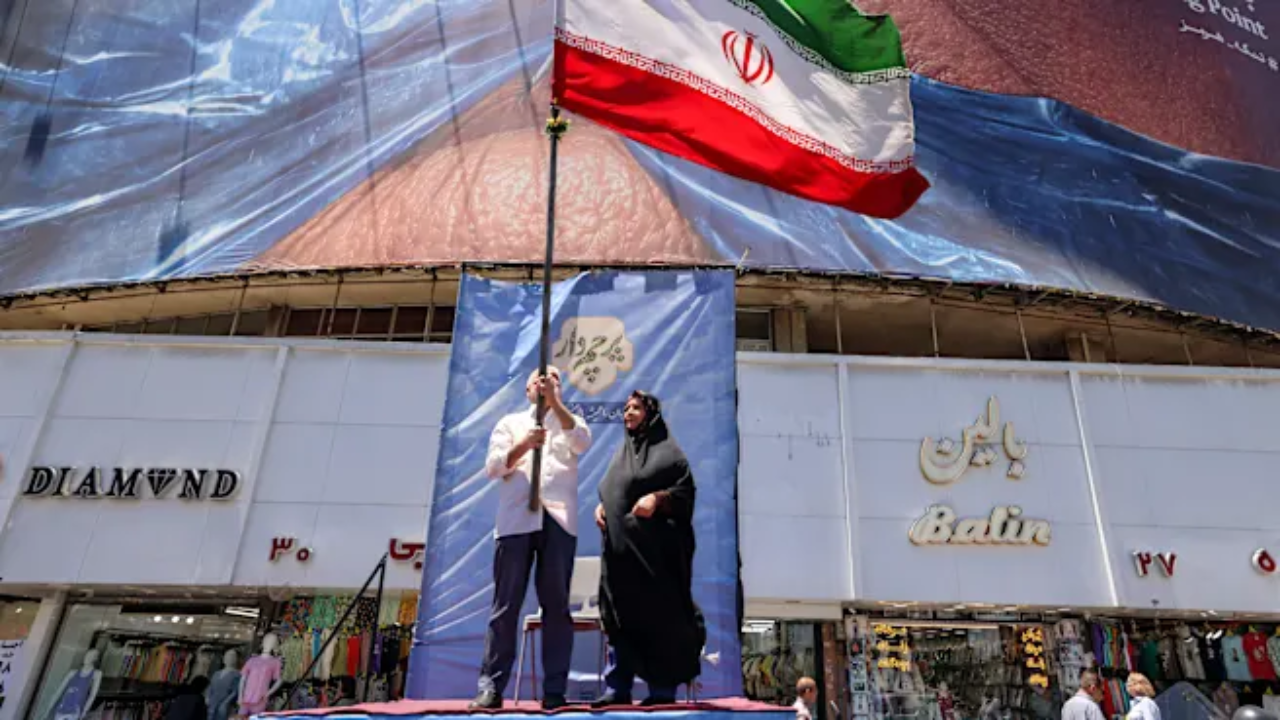
Thank you for reading this post, don't forget to subscribe!The immediate culprit is a renewed wave of skepticism over a durable breakthrough in the US-Iran diplomatic talks, amplified by ongoing military friction in the region.
Market Snapshot
The early hesitation highlights how quickly investor sentiment pivots when headline risk remains elevated:
- S&P 500 Futures: Down ~0.3%, giving back a portion of the recent momentum that has kept the index near historic highs.
- Nasdaq 100 Futures: Leading the broader retreat with a 0.4% slide, as tech and semiconductor names prove highly sensitive to macro instability.
- Dow Jones Futures: Easing off its recent peaks, hovering just below the psychological 50,000 milestone.
The Crucial Variables Driving the Slump
Geopolitical Whiplash: Wall Street is caught between positive diplomatic framework headlines and cold operational reality. While negotiators are working on a deal to end the maritime blockade, recent skirmishes in the waterway confirm that the physical chokepoint remains highly contested. President Trump’s “no rush” stance on final certification has signaled to investors that a formal resolution may take longer than initially hoped.
The “Hormuz Hangover” and the Fed: For global markets, the prolonged partial closure of the Strait of Hormuz is an inflationary ticking time bomb. Although energy benchmarks have eased off their initial crisis peaks, crude oil remains stubbornly high. Federal Reserve policymakers have already signaled that interest rate cuts are effectively on hold—and potential hikes remain on the table—as long as energy-driven supply shocks threaten to trigger a period of stagflation.
What Investors Are Watching Next
While a stellar corporate earnings season (anchored by blowout tech hardware and AI infrastructure revenue) has provided a sturdy floor for global equities, macro pressures are temporarily dominating the tape.
Traders are aggressively monitoring global crude oil benchmarks (with WTI and Brent fluctuating wildly based on daily diplomatic updates) alongside safe-haven assets like the US Dollar Index (DXY) and 10-year Treasury yields to gauge where institutional capital is hedging its bets.

"Suresh Kumar Saini is an experienced Tax Assistant and finance writer. He specializes in US & Canada Tax Guide, Indian Income Tax laws, GST compliance, and personal finance, helping freelancers and remote workers optimize their taxes."