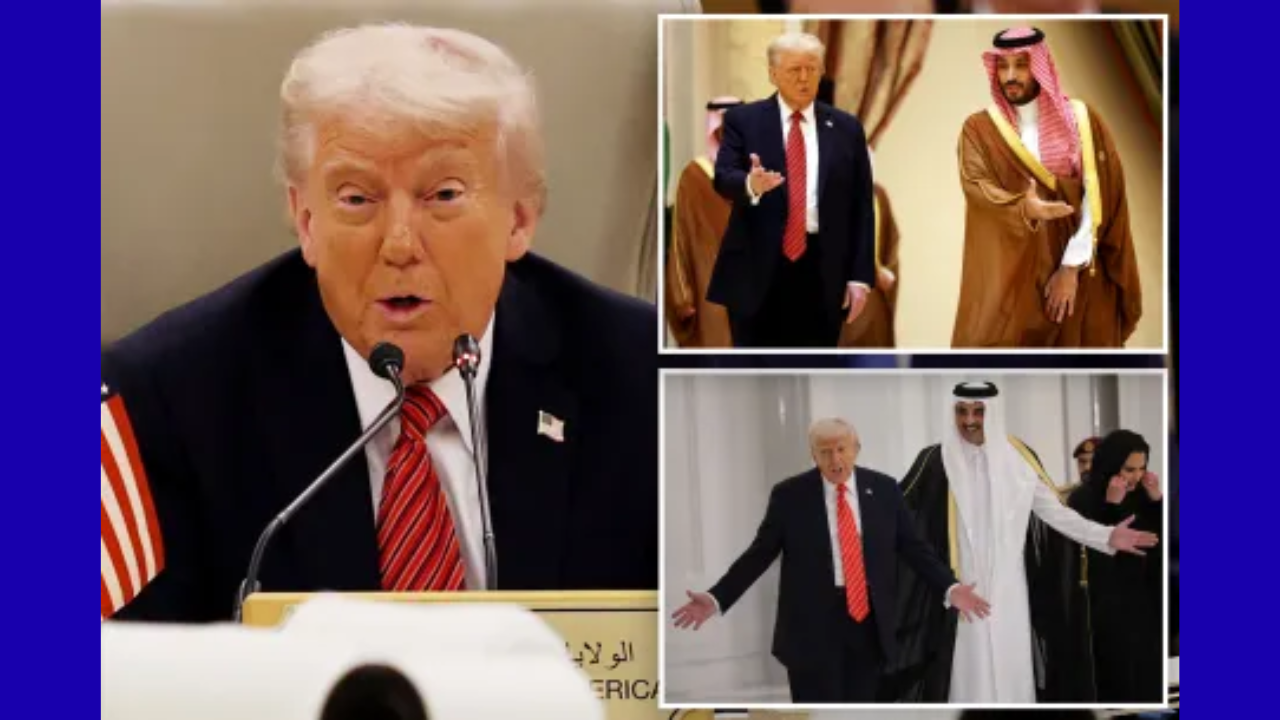
US President Donald Trump has issued a major diplomatic mandate that could fundamentally reshape Middle Eastern geopolitics. In a sweeping directive, Trump declared that joining the Abraham Accords—the U.S.-brokered normalization framework with Israel—is now “mandatory” for a specific group of major Muslim-majority nations.
This ultimatum is directly tied to the tense U.S.-Iran conflict and ongoing ceasefire negotiations. Trump is positioning the expansion of the Accords as the definitive “rules of the road” for regional security, even hinting that Iran itself could eventually join the coalition if a final peace settlement is reached.
The Ultimatum: Who’s on the List?
In a detailed announcement broadcast on Truth Social, Trump revealed that following high-level discussions with regional leaders, he expects major Muslim-majority nations to formalize ties with Israel.
“The Abraham Accords have proven to be, for the Countries involved… a Financial, Economic, and Social BOOM. [They will bring] true Power, Strength, and Peace to the Middle East for the first time in 5,000 years.”
— Donald Trump
Key Strategic Elements:
- The Target Nations: Trump explicitly named Saudi Arabia, Pakistan, Türkiye, Qatar, Egypt, Jordan, and Bahrain as the countries that must align under this framework.
- The Iranian Leverage: This mandate arrives while the U.S. maintains a strict military blockade on Iranian ports. By forcing regional players into the Accords, Trump aims to isolate Tehran. However, he also offered a massive carrot: the possibility of Iran joining the Accords if it complies with U.S. nuclear and military demands.
- Diplomatic Shockwaves: Reports indicate this aggressive push caught several nations completely off guard—particularly Saudi Arabia, Qatar, and Pakistan, none of which currently recognize Israel.
The Geopolitical Dilemma
Trump’s mandatory push creates an incredibly difficult friction point for non-recognizing Muslim nations. Pakistan, for instance, highlights the immense pressure these countries now face:
| The Pressure Points | The Reality on the Ground |
| Historical State Policy | Nations like Pakistan and Saudi Arabia have long maintained that normalization with Israel is impossible without a viable two-state solution and an independent Palestinian state. |
| Financial Dependencies | Pakistan relies heavily on investments, loans, and remittances from Gulf monarchies (like the UAE and Bahrain) that have already embraced the Accords. |
| Domestic Backlash | For leaders in Islamabad or Ankara, capitulating to Trump’s ultimatum risks triggering massive domestic political instability and widespread protests. |
Where Things Stand Now
While Trump views the expansion of the Accords as the foundation for permanent regional peace, the immediate conflict remains highly volatile.
A U.S.-proposed 15-point ceasefire plan was recently delivered to Tehran via Pakistani mediators. However, the Iranian regime has publicly balked at the terms, demanding war reparations and guaranteed sovereignty over the Strait of Hormuz before agreeing to any new “rules of the road.”

Suresh holds a Master of Commerce (M.Com) degree and is a dedicated personal finance researcher and writer. Combining his advanced academic background in commerce with deep industry research, he covers complex topics like taxation, banking systems, credit analysis, and personal finance strategies. As the founder of Tax Assistant (taxassistant.org), Suresh is committed to translating complicated financial guidelines and economic data into simple, accurate, and actionable educational resources for everyday readers.