The global economy has broken away from its post-Cold War foundations. The era of hyper-globalization—defined by open borders and frictionless trade—has officially been replaced. In its place stands a highly fragmented landscape dominated by aggressive tariff regimes, localized geopolitical disruptions, and structural inflation pressures.
Thank you for reading this post, don't forget to subscribe!Navigating this new era requires looking past the surface headlines to see how supply shocks, trade policies, and corporate survival strategies collide.
1. The Tariff Paradox: Asymmetric Inflation
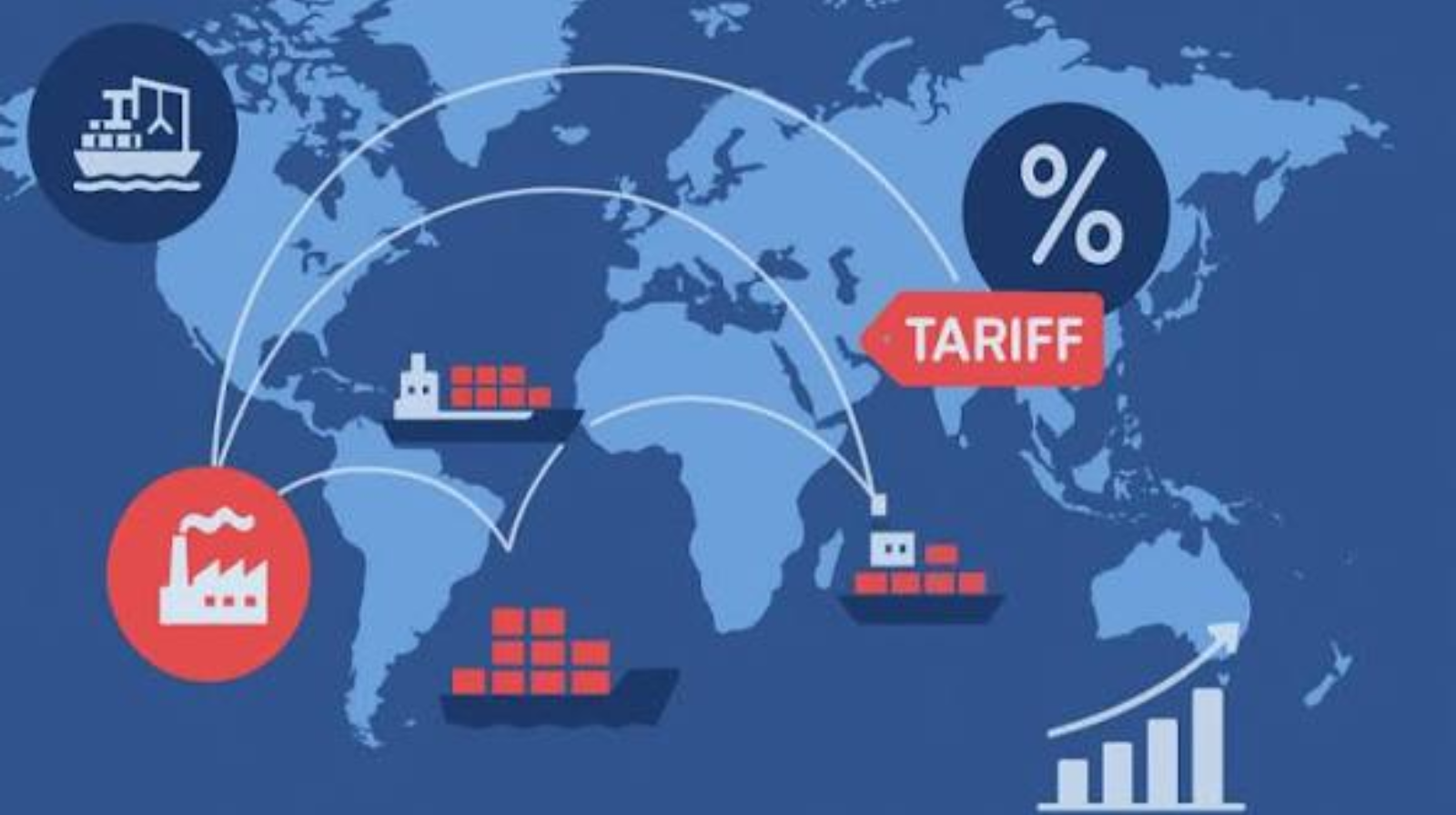
Classic economic models teach that tariffs are universally inflationary because they tax imports. However, today’s fractured trade environment reveals a far more complex reality. The macroeconomic fallout of a tariff depends entirely on whether a country functions primarily as an importer or an exporter.
                                  ┌─────────────────────────────┐
                                                  Aggressive Tariff Hikes
                                  └──────────────┬──────────────┘
                                                                           │
          ┌───────────────────────┴───────────────────────┐
          ▼                                                                                                                              ▼
┌──────────────────┐                                                             ┌──────────────────┐
│  Net Importers                                                                                       Net Exporters                                                                        │
│   (e.g., U.S.)                                                                                               (e.g., China, EU)
└────────┬─────────┘                                                              └────────┬─────────┘
                         │                                                                                                                  │
                        ▼                                                                                                                 ▼
┌──────────────────┐                                                               ┌──────────────────┐
│   Supply Shock                                                                                                     Demand Shock
│ • Rising input                                                                                                   • Stranded inventory
│   costs                                                                                                                 • Domestic price
│ • Upward price                                                                                                    deflation
│   pressures                                                                                              └──────────────────┘
└──────────────────┘
- Net Importers (The Upward Cost Spiral): For nations relying on foreign goods, tariffs act as an adverse supply shock. Importers pass regulatory costs directly down to the consumer. Over time, these higher input costs spill out of manufacturing and bleed into the service sector, keeping core inflation sticky.
- Net Exporters (The Deflationary Trap): For trade hubs like China, foreign tariffs function as a massive demand shock. When target markets lock their gates, goods are stranded domestically. To liquidate excess inventory, producers slash prices, triggering localized deflation and compressing profit margins.
2. The Three Waves of Modern Inflation
The current inflationary environment isn’t driven by a single variable; it is a compounding phenomenon fed by three distinct global pressures:
| Inflationary Wave | Core Economic Driver | Real-World Impact |
| 1. The Protectionist Wave | Escalating global trade barriers and retaliatory tariff policies. | Structurally higher baseline costs for imported raw materials, steel, and electronic components. |
| 2. The Geopolitical Wave | Energy market disruptions, particularly surrounding shipping choke points like the Strait of Hormuz. | High volatility in Brent crude and fertilizer prices, which drives up global freight, agricultural, and consumer food costs. |
| 3. The Capital Investment Wave | Massive, unyielding capital expenditure (capex) into Artificial Intelligence and localized industrial infrastructure. | Unprecedented demand for advanced semiconductors, specialized hardware, and industrial power grids, driving up foundational input costs. |
3. The Return of the Stagflation Threat
This intersection of policy-driven supply barriers and volatile commodity spikes has brought an old economic ghost back to life: stagflation.
Tariffs naturally act as a tax on productivity. They force companies to dismantle highly optimized, cheap international supply networks and replace them with more expensive, less efficient regional alternatives. When you compound this structural drag with energy supply shocks, central banks face an incredibly difficult balancing act.
The gravity of this shift is reflected in recent macro data:
- The World Bank downgraded its global growth forecast to 2.5%—marking the sluggish outperformance since the turn of the decade.
- Concurrently, global inflation is projected to hover near 4.0%, squeezed tightly by supply-side bottlenecks.
4. How Modern Enterprises Are Adapting
While the macroeconomic picture looks daunting, microeconomic adaptability has been remarkably swift. Businesses are completely rewriting their operational playbooks, shifting from the efficiency of “Just-in-Time” supply chains to the security of “Just-in-Case” contingency models.
- Tariff Front-Running: Instead of reacting to policy changes, enterprises track legislative trends to aggressively front-load import inventories months before tariff deadlines take effect, temporarily insulating themselves from initial pricing spikes.
- Strategic Margin Re-Engineering: Rather than taking the blame for price hikes, corporations use sweeping tariff and inflation headlines as a narrative backdrop to completely overhaul their pricing structures—frequently baking in extra margin buffers under the guise of general cost pressures.
- AI and Automation Offsets: To combat unyielding raw material and compliance costs, firms are aggressively investing in AI automation. The goal is simple: squeeze out every drop of back-office and logistical inefficiency to defend margins from macro headwinds.
The Takeaway: The global economy is no longer a singular, frictionless marketplace. It has solidified into highly competitive, defensive regional trade blocs. In this new era, navigating geopolitical risk and tariff compliance is just as critical to a company’s survival as the quality of the product it sells.
Shared Your Thoughts
- Do you think regional trade blocs will successfully isolate domestic economies from global shocks, or will they only worsen stagflation?
Editing by- katie willimas