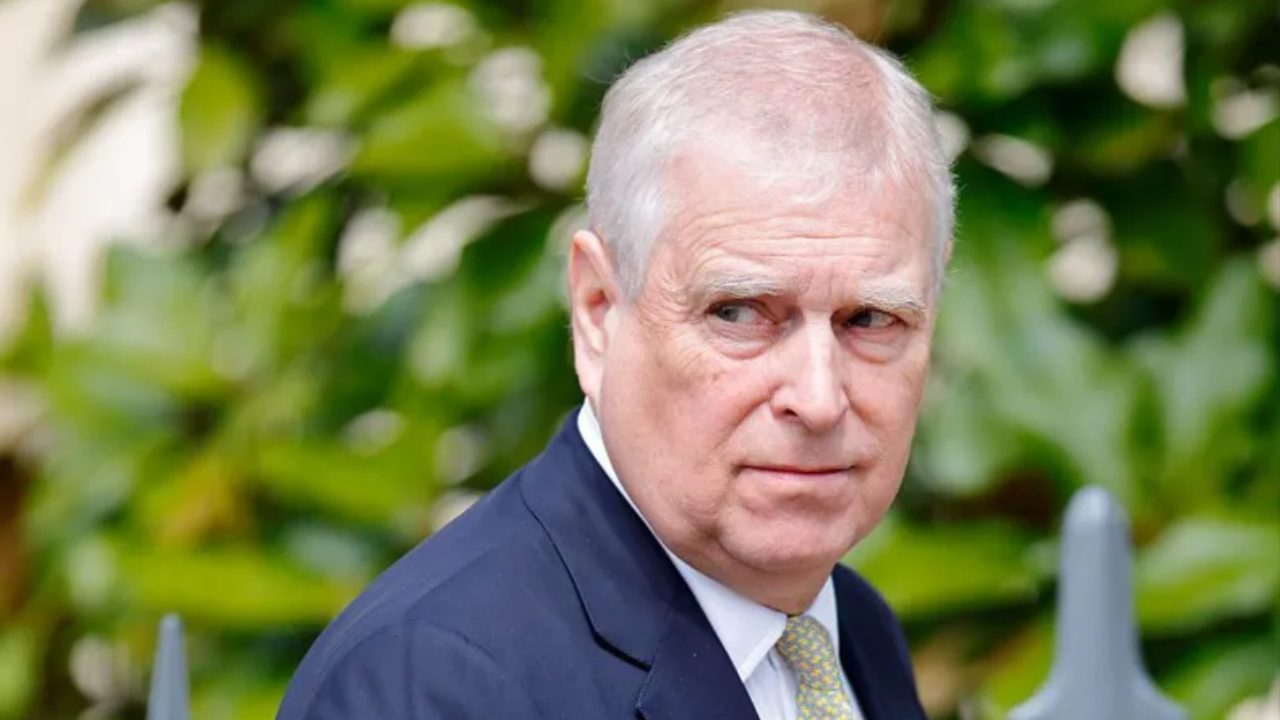
Buckingham Palace has been sitting on a massive digital archive for six years that allegedly proves Andrew Mountbatten-Windsor leaked confidential government secrets while serving as a UK trade envoy, explosive court documents reveal.
Thank you for reading this post, don't forget to subscribe!The cache of 30,000 emails—detailing the former prince’s highly controversial financial dealings—was quietly handed over to the Lord Chamberlain, the Royal Household’s top official, back in May 2020.
This revelation comes at a catastrophic time for the Palace. Just last week, Thames Valley Police issued a fresh public appeal for information following Mountbatten-Windsor’s recent arrest on suspicion of misconduct in public office. While the Palace currently refuses to comment due to the “ongoing police enquiry,” High Court records prove officials have had access to this evidence for years.
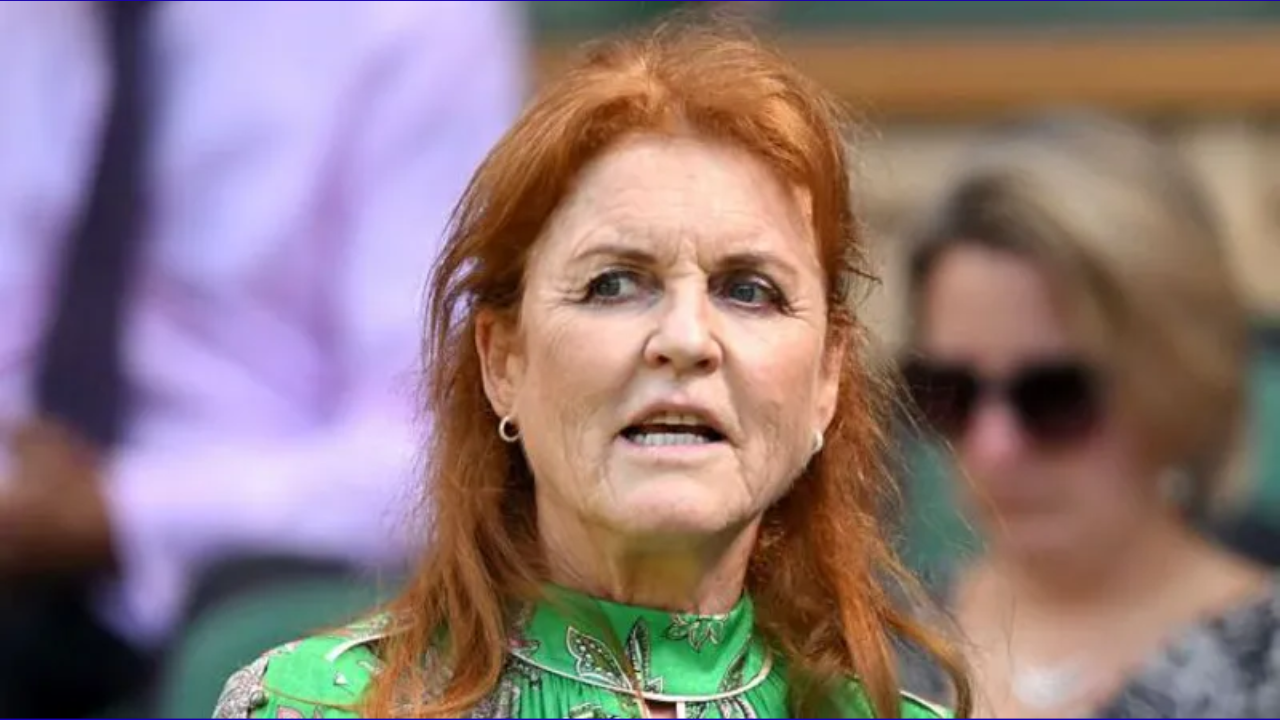
Inside the 30,000-Email Leak
The data didn’t come from a standard leak; it was the byproduct of a bitter legal war between prominent business tycoons.
- The Source: The emails were pulled directly from the account of Jonathan Rowland, a close business associate of Mountbatten-Windsor.
- The Whistleblower: Kevin Stanford, the retail entrepreneur behind the fashion brand All Saints, obtained the archive during a separate legal war over a failed Icelandic bank.
- The Distribution: Stanford didn’t just give the files to the Palace; he also shared them with authorities in Monaco and Luxembourg, as well as investigative journalists.
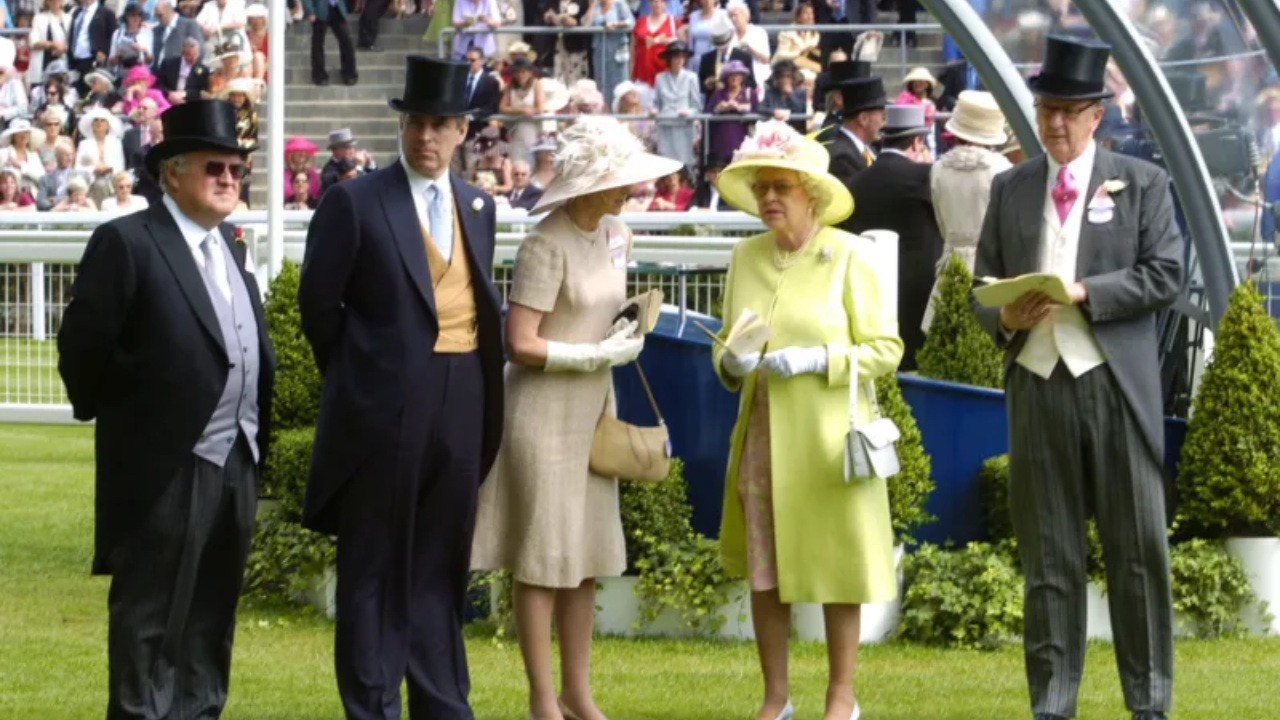
Timeline: What Did the Palace Know and When?
While the current police investigation is fresh, the paper trail showing the Palace’s awareness goes back years, stretching across two reigns.
[Nov 2019]  Andrew steps down as a working royal after the catastrophic BBC Newsnight interview.
    │
[May 2020]  The 30,000-email archive is delivered to Lord Peel (then Lord Chamberlain) during Queen Elizabeth II's reign.
    │
[Apr 2021]  A High Court judgment officially logs that the Palace was provided a copy of the archive.
    │
[June 2022] A second High Court ruling references an internal July 2020 email confirming delivery to the Palace.
    │
[Recent]    Andrew is arrested by Thames Valley Police, sparking questions about why the 2020 emails weren't acted upon sooner.
The Smoking Gun: Trading Secrets for Private Gain
The contents of the archive date up to June 2013. While the full scope remains hidden, media leaks have already offered a damning glimpse into what is inside.
Earlier this year, The Telegraph published emails showing that in 2010, Mountbatten-Windsor requested a sensitive, confidential briefing from the UK Treasury regarding the collapse of Iceland’s banking system. He immediately forwarded the insider info to Jonathan Rowland, telling him to review it “before you make your move.”
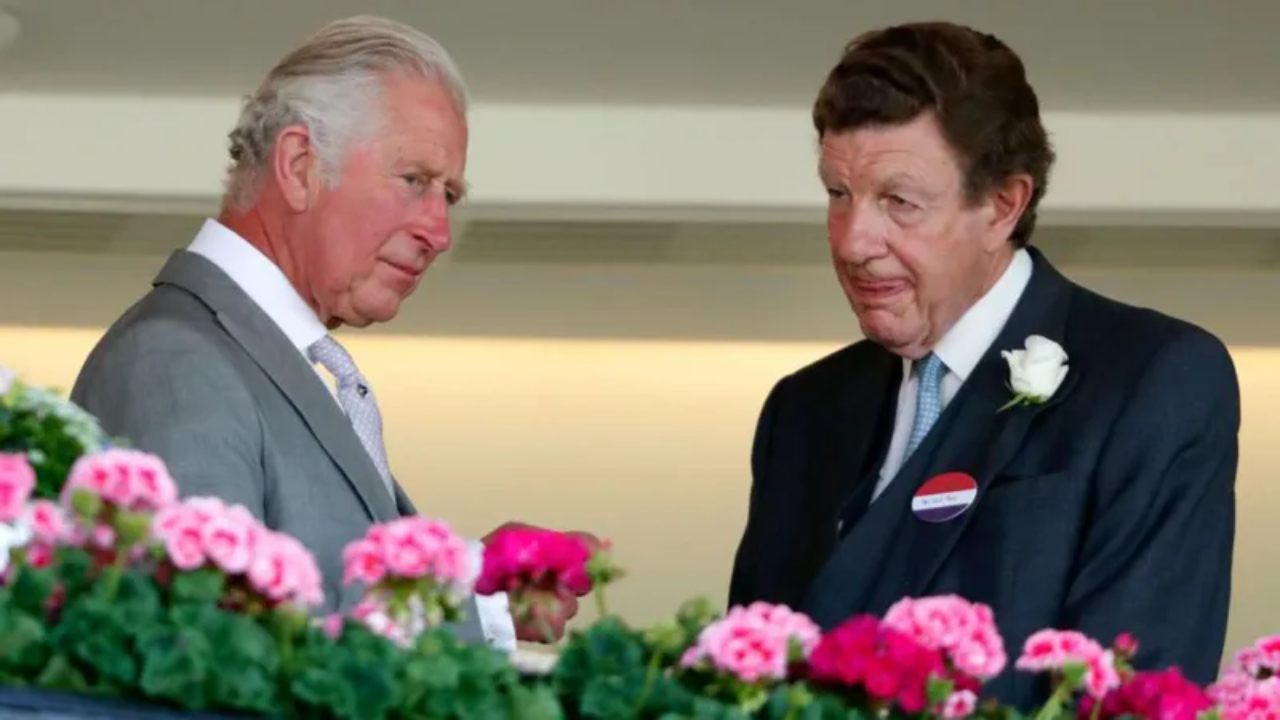
The Web of Connections
The recipient’s father, David Rowland, subsequently took over the Luxembourg branch of that collapsed Icelandic bank (Kaupthing), rebranding it as Banque Havilland—an institution later hit with heavy regulatory sanctions in both the UK and Europe.
Furthermore, the recently unsealed US “Epstein Files” heavily back up this cozy relationship. The documents show Mountbatten-Windsor actively promoting the Rowlands’ commercial ventures, calling David Rowland his “trusted money man,” while his ex-wife, Sarah Ferguson, reportedly received a loan from the Rowland-owned bank.
“The Cover-Up Continues”
While King Charles III has taken a significantly harder line against his brother than the late Queen did—stripping his titles and publicly stating that “the law must take its course”—critics argue the British government is still shielding the former prince.
Prominent royal author Andrew Lownie is spearheading calls for a full parliamentary inquiry into Mountbatten-Windsor’s decade-long stint as a trade envoy (2001–2011). Lownie revealed that his Freedom of Information requests regarding a shady 2011 trip Andrew took to Azerbaijan were aggressively blocked by the Foreign Office, citing “national security” and “law enforcement” protocols.
“The cover-up continues,” Lownie warned, pointing to an ongoing lack of institutional transparency.
Thames Valley Police have declined to comment on whether they have successfully seized the 30,000 emails from Buckingham Palace, stating only that they “are aware of the allegations circulating in the public domain.” Meanwhile, the government insists it is “fully cooperating” with the police, having recently unsealed historical documents regarding how Andrew’s trade envoy role was manufactured in 2001.
Mountbatten-Windsor continues to deny any wrongdoing or personal financial gain from his time in office.

Suresh Kumar Saini is a financial researcher specializing in US Personal Finance, Online Banking, and US Tax Guides, helping individuals navigate complex financial systems.