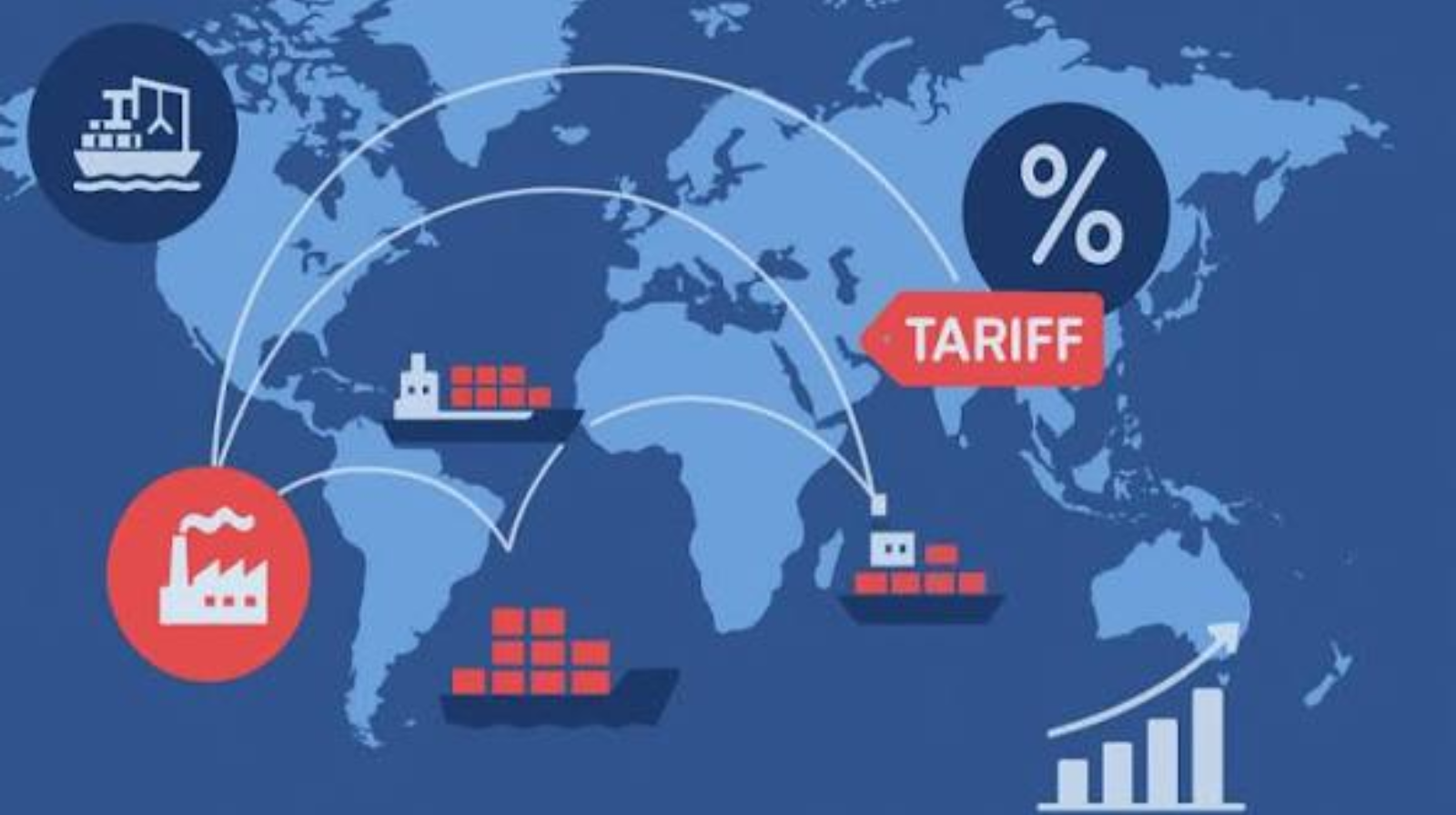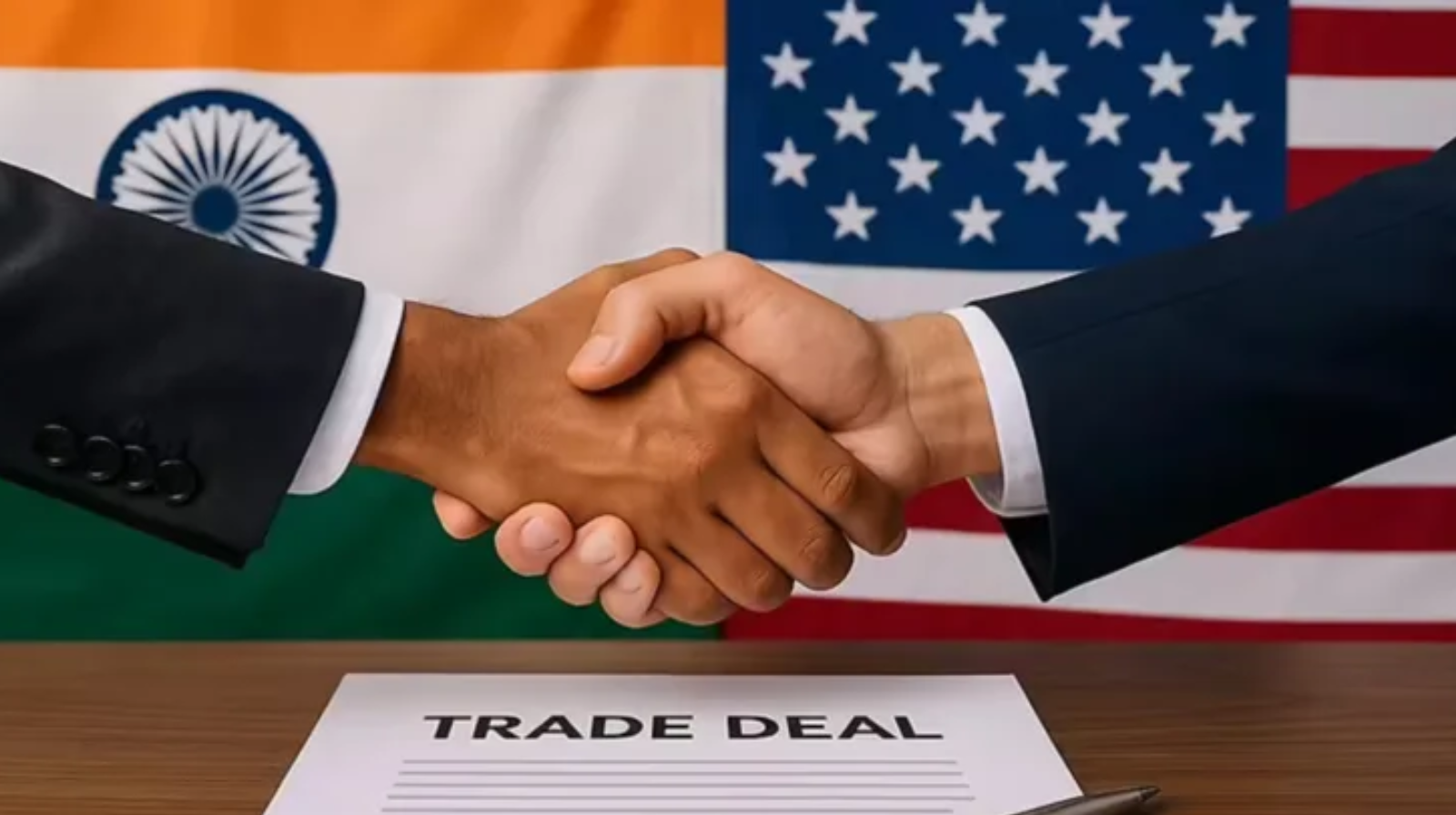
The trade relationship between the US and India has undergone a massive structural shift. Following a peak in tensions in late 2025—when Washington slapped an aggressive 50% effective tariff on Indian imports—the two nations signed a landmark interim trade agreement on February 2, 2026.
Thank you for reading this post, don't forget to subscribe!The deal dramatically rolled back punitive surcharges, establishing a consolidated 18% tariff rate on a wide array of Indian goods. While this 18% benchmark represents a massive sigh of relief for Indian exporters, it is a double-edged sword: it demands rigid geopolitical trade-offs and leaves certain sectors exposed to new structural pressures.
1. The Winners: Restored Competitiveness & Strategic Exemptions
The tariff reduction has injected much-needed oxygen into India’s primary export engines, giving them a distinct edge over regional competitors facing higher US duties (e.g., Vietnam at 20% and China at 30–35%).
- Textiles and Garments: For MSMEs in hubs like Tirupur and Ludhiana, dropping from 50% to 18% is a survival lifeline. It effectively eliminates the massive price disadvantage Indian apparel faced, reviving stalled Western import orders.
- Pharmaceuticals: Already a dominant force supplying roughly half of the US generic drug market, Indian pharma secured a massive victory by winning explicit exemptions from reciprocal tariffs, stabilizing critical healthcare supply chains.
- High-Tech & Electronics: Backed by India’s domestic PLI (Production Linked Incentive) schemes, electronics and smartphone exports have surged. The 18% framework cements India’s position as a stable, highly attractive alternative to China for global tech manufacturing.
2. The Vulnerable Sectors: Continued Pressure
Despite the general tariff rollback, specific segments face a steeper uphill climb due to residual duties and strict regulatory shifts.
- Gems and Jewellery: Traditionally accustomed to near-zero duties, this multi-billion dollar sector must now adapt to the 18% layout. While plans exist to phase these duties down, exporters are currently forced to absorb the tax hit to defend their US market share.
- Heavy Metals (Steel and Aluminum): Crucially, the deal did not dissolve the US Section 232 tariffs. Indian steel, aluminum, and copper exports remain heavily restricted under a steep 50% tariff ceiling.
- Automotive Components: Premium parts and auto segments face a mixed bag, with lingering 25% tariffs on select components and tight, preferential “rules of origin” quotas that limit how much third-party material exporters can use.
3. The Geopolitical Trade-Offs
The 18% tariff window was not free; it reflects a pivot from a traditional export-surplus relationship toward aggressive, “hard-nosed” transactional reciprocity. To secure the deal, New Delhi agreed to massive economic pivots:
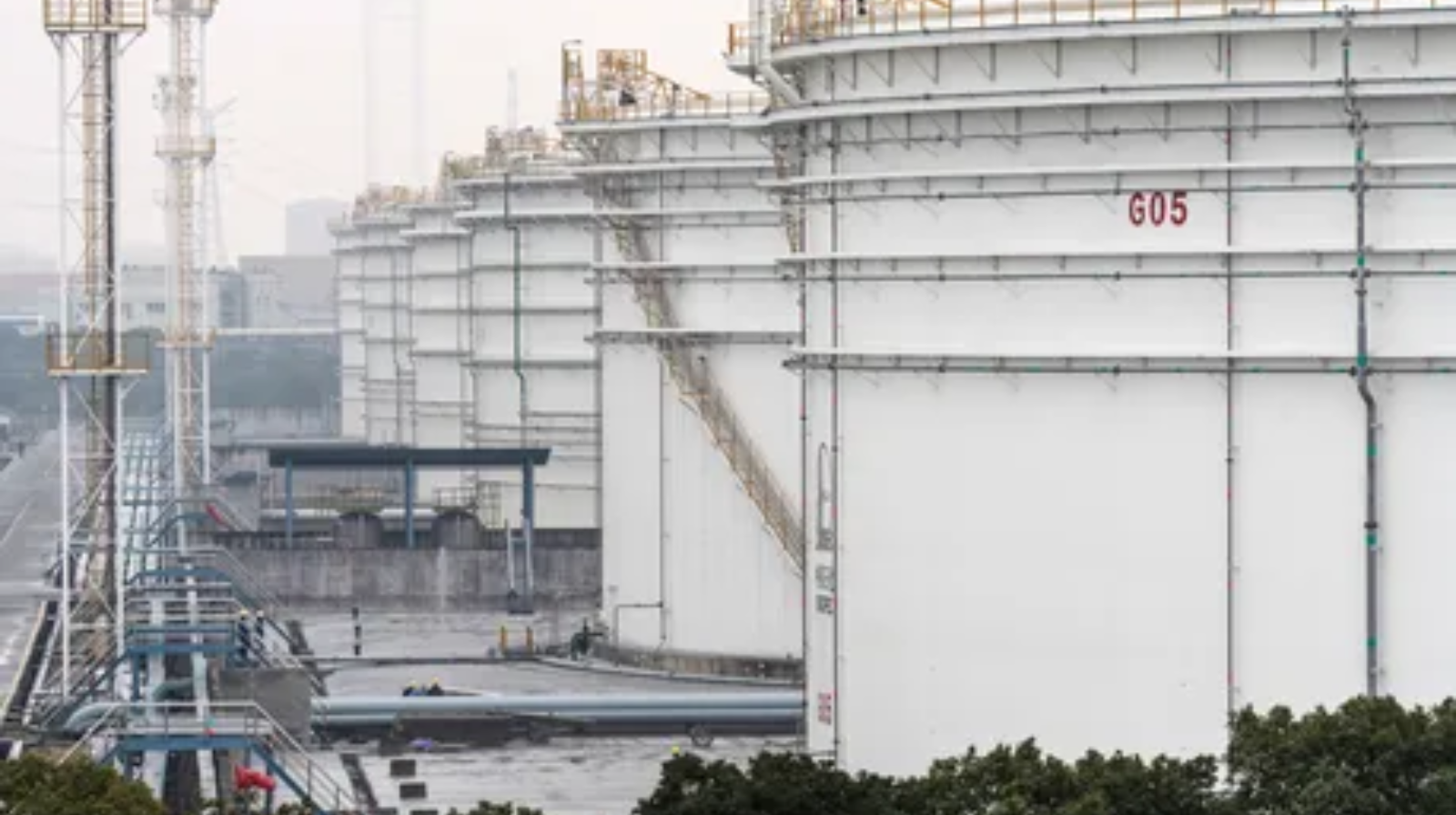
- The Energy Pivot: The US tariff relief was directly tied to India systematically winding down its imports of heavily discounted Russian crude oil. Indian refiners are rapidly reconfiguring their supply lines to import costlier US WTI and West Asian blends instead.
- The $500 Billion Commitment: India has committed to an unprecedented $500 billion “Buy American” procurement program over the next five years, spanning US defense hardware, commercial aircraft (via major Air India/IndiGo orders), and energy (LNG/LPG).
- Narrowing Trade Surplus: As a result of spiked US energy imports (crude imports up 50% year-on-year), India’s long-standing trade surplus with the US is actively narrowing, shifting the relationship toward deep supply-chain integration.
4. Moving Forward: New Friction on the Horizon
While the February 2026 deal resolved the immediate tariff crisis, Indian exporters cannot afford to coast.
The trade landscape remains highly fluid. Notably, the US Trade Representative (USTR) has launched a fresh Section 301 investigation regarding labor standards, threatening a potential additional 12.5% economy-wide tariff by late summer 2026.
To hedge against this ongoing American policy volatility, savvy Indian exporters are actively pursuing geographic diversification (leveraging active Free Trade Agreements with the EU and UAE) and shifting from low-margin raw commodities into branded, high-value manufacturing.
Editing by- karie willimas