The breakthrough in US-Iran peace talks is being hailed as the ultimate relief valve for a choked global economy. But beneath the surface, a major macroeconomic trap is brewing. While more oil is about to hit the market, a looming rebound in Chinese demand could completely erase those gains—and trigger a fresh wave of inflation.
Thank you for reading this post, don't forget to subscribe!The Immediate Relief (The Supply Side)
Following months of severe Middle East disruptions that pushed oil past $100 a barrel and stoked global stagflation fears, a US-Iran agreement changes the game in two major ways:
- Unblocking the Strait of Hormuz: De-escalating the maritime blockades reopens a critical chokepoint responsible for 20% of the world’s petroleum transit.
- The Return of Iranian Crude: Lifting heavy sanctions allows Iranian oil to officially and legally flow back into global supply chains, immediately boosting global reserves.
The Market Reaction: Anticipation of this new supply has already caused Brent crude prices to slide, giving central banks a much-needed breather from aggressive interest rate hikes.
The Chinese “X-Factor” (The Demand Side)
The relief may be short-lived. The risk of reflation hinges entirely on how Beijing responds to a stabilized geopolitical landscape.
            [US-Iran Deal] ───> Boosts Oil Supply ───> Drops Prices (Short-Term Relief)
                                                                                                              │
[China Economic Recovery] ───> Surging Demand ────┴───> Soaks Up Excess Supply ───> Sticky Inflation
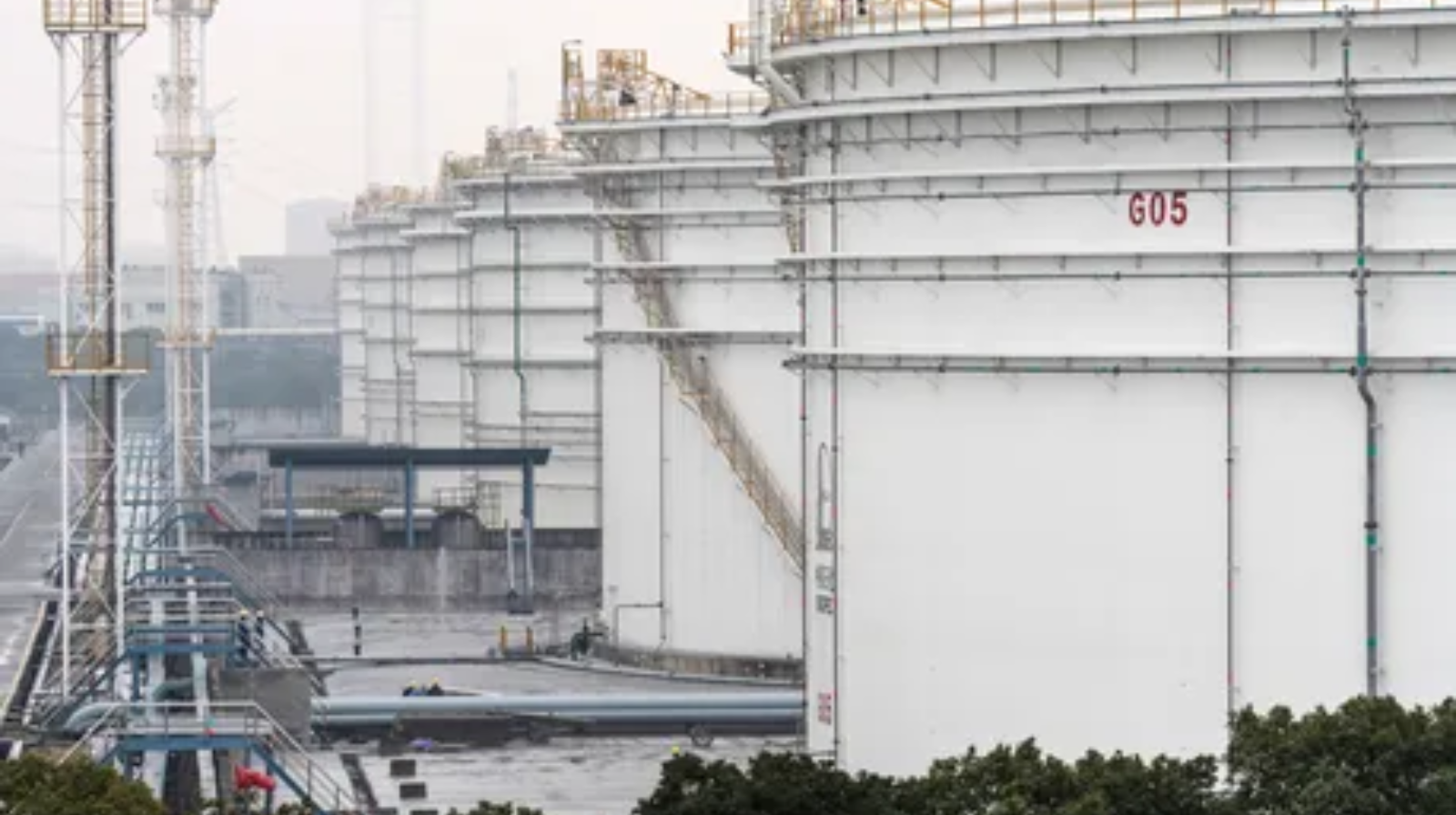
During the height of the 2026 energy crisis, China cushioned itself by drawing down its massive strategic stockpiles and curbing imports, which inadvertently kept global oil prices from spiraling completely out of control.
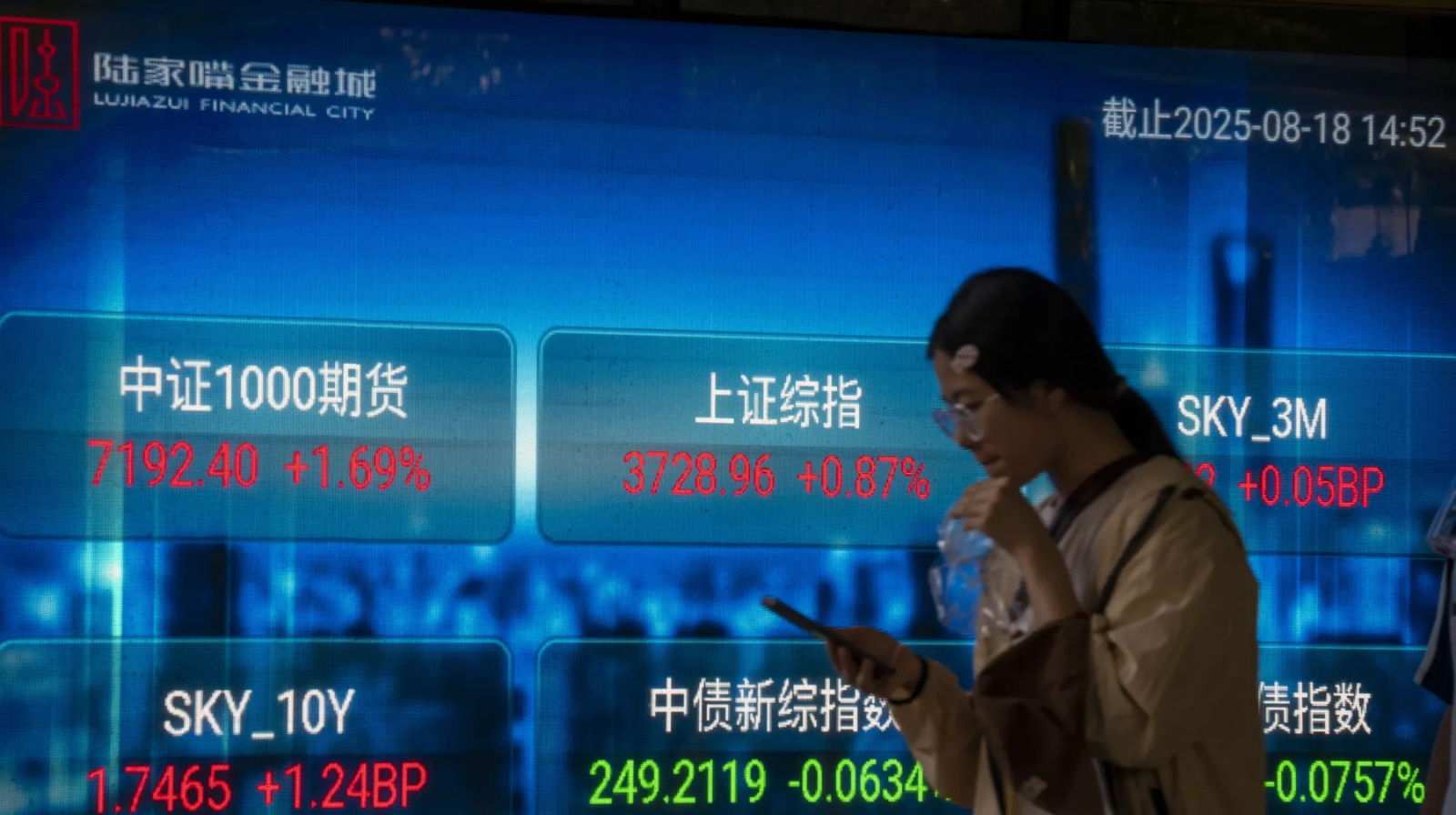
Now, with geopolitical risks fading, the stage is set for a full-scale Chinese industrial recovery.
The Bottom Line: Higher for Longer?
If Chinese factories and consumers ramp back up to full speed, their appetite for energy will quickly absorb the new Iranian barrels and reopened Gulf supplies.
Because repairing and scaling energy infrastructure takes months, demand could easily outpace supply. If oil surges back toward triple digits, central banks like the Federal Reserve will be forced to keep interest rates “higher for longer” to combat sticky consumer prices.
The US-Iran deal successfully avoids a supply catastrophe, but it may have just lit the fuse on a massive demand-driven inflation spike.
Editing by- karie willimas