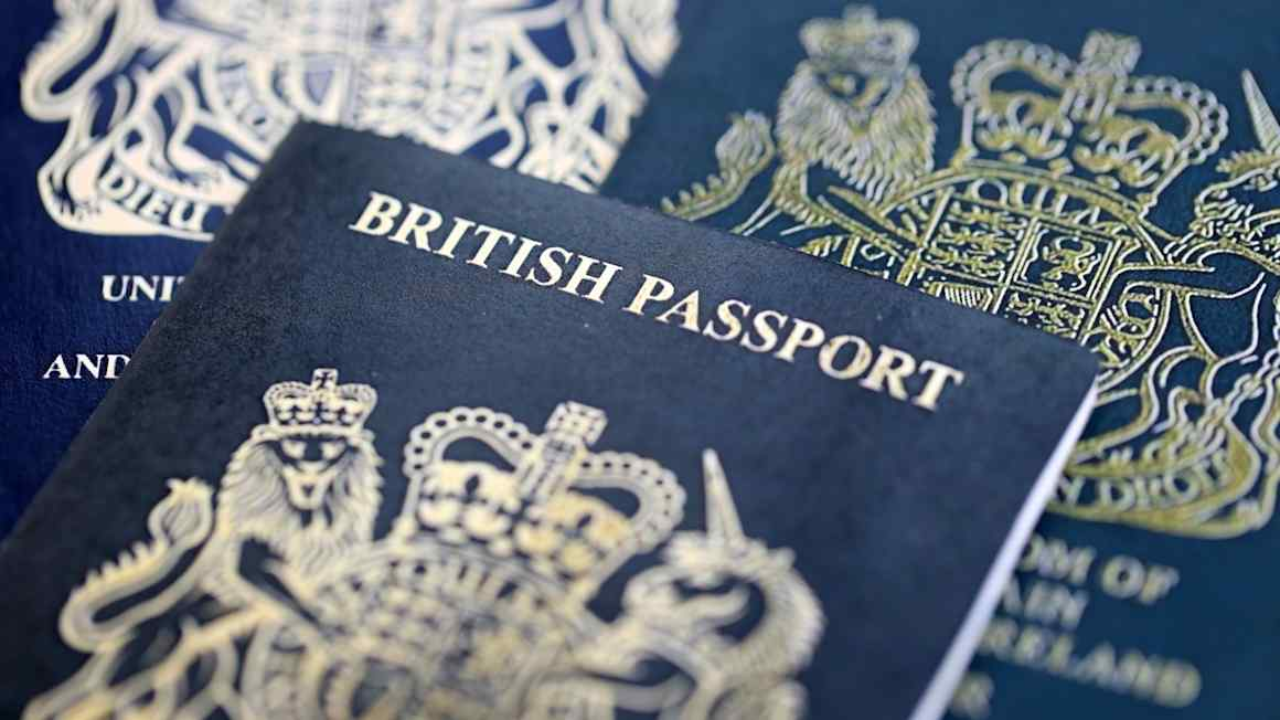
A major supply chain vulnerability has emerged involving Linxens, a French electronics manufacturer that produces critical components for UK and European biometric e-passports. Investigative disclosures have revealed that Linxens’ parent company is tied to restricted Chinese investment firms, sparking intense national security debates regarding the integrity of Western identity infrastructure.
Thank you for reading this post, don't forget to subscribe!Anatomy of the Supply Chain
To understand the security risks, it helps to look at how a modern biometric passport is actually built:
[Wise Road Capital & JAC Capital] (Blacklisted Chinese Private Equity)
               │
               ▼ (Led Investment Group)
     [Tsinghua Unigroup] (Parent Company)
               │
               ▼
       [Linxens] (Produces Blank Biometric Inlays)
               │
               ▼
   [Western Defense Contractors] (e.g., Thales)
               │
               ▼ (Applies Encryption Keys & Citizen Data)
     [Final Secure E-Passport]
The Component in Question
Linxens manufactures inlays—the internal, hidden layer of a passport containing the microchip and antenna that allow border control scanners to read the document.
The Regulatory Loophole
Linxens’ parent company, Tsinghua Unigroup, was acquired by a consortium led by Wise Road Capital and JAC Capital. Both Beijing-backed firms are on the U.S. government’s trade-restricted “Entity List” for attempting to acquire sensitive semiconductor technology for foreign defense purposes.
Why aren’t they sanctioned? U.S. export controls typically apply to subsidiaries that are majority-owned (50% or more) by blacklisted entities. Wise Road and JAC Capital engineered their ownership stake to sit just below this 50% threshold, successfully bypassing automated trade restrictions.
The Security Risks: What Experts Fear
While Linxens does not have direct access to citizens’ personal information, intelligence officials and defense experts point to two primary supply-chain vulnerabilities:
- Advanced Counterfeiting and Fraud: If an adversarial state possesses intimate, blueprint-level knowledge of the foundational hardware architecture used in European passports, their ability to clone, simulate, or counterfeit authentic-grade physical documents increases exponentially.
- Hardware-Level Tampering: Because Linxens handles the microchips before they are shipped to European contractors, defense analysts warn of theoretical supply-chain interdiction. This involves the risk of malicious firmware modifications or hardware-level “backdoors” being introduced at the manufacturing stage.
How Governments and Corporate Sectors Responded
The disclosure has triggered sharply contrasting reactions from government officials and security analysts:
| Stakeholder | Stance & Actions |
| UK Home Office | Low Immediate Risk: Emphasizes that British passport security is intact. They argue that because the proprietary encryption keys and sensitive citizen data are uploaded strictly within the UK by domestic contractors, no personal data is ever exposed to foreign entities. |
| UK Parliament | Investigation Launched: The House of Commons Business and Trade Committee has absorbed these findings into a broader parliamentary inquiry examining foreign interference and Chinese investment in critical national infrastructure. |
| Linxens | Strict Isolation Protocols: The company states that its manufacturing occurs in highly secure, third-party audited facilities in Thailand. They stress they have zero access to the cryptographic keys used by European governments and employ rigorous anti-tampering detection technologies. |
The Bottom Line
The Linxens case underscores a growing dilemma for Western nations: the economic reality of relying on globalized, cost-effective tech manufacturing versus the urgent geopolitical necessity of securing critical domestic supply chains.

"Suresh Kumar Saini is an experienced Tax Assistant and finance writer. He specializes in US & Canada Tax Guide, Indian Income Tax laws, GST compliance, and personal finance, helping freelancers and remote workers optimize their taxes."