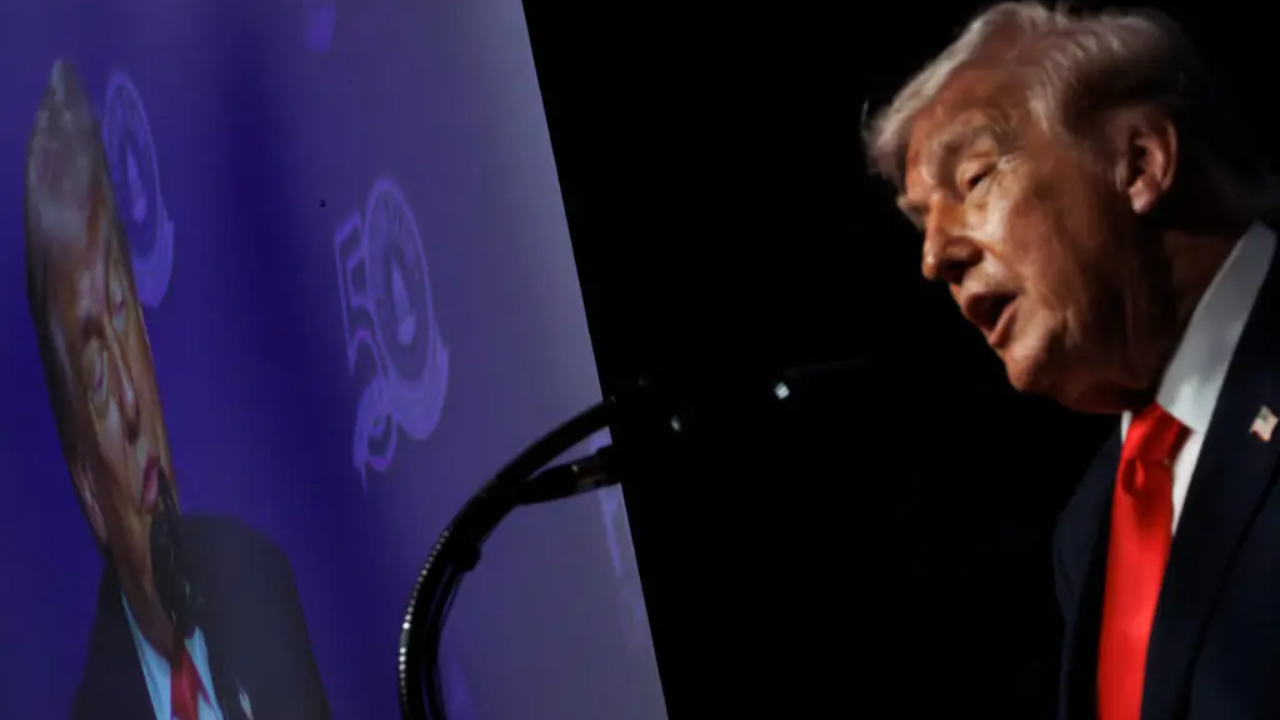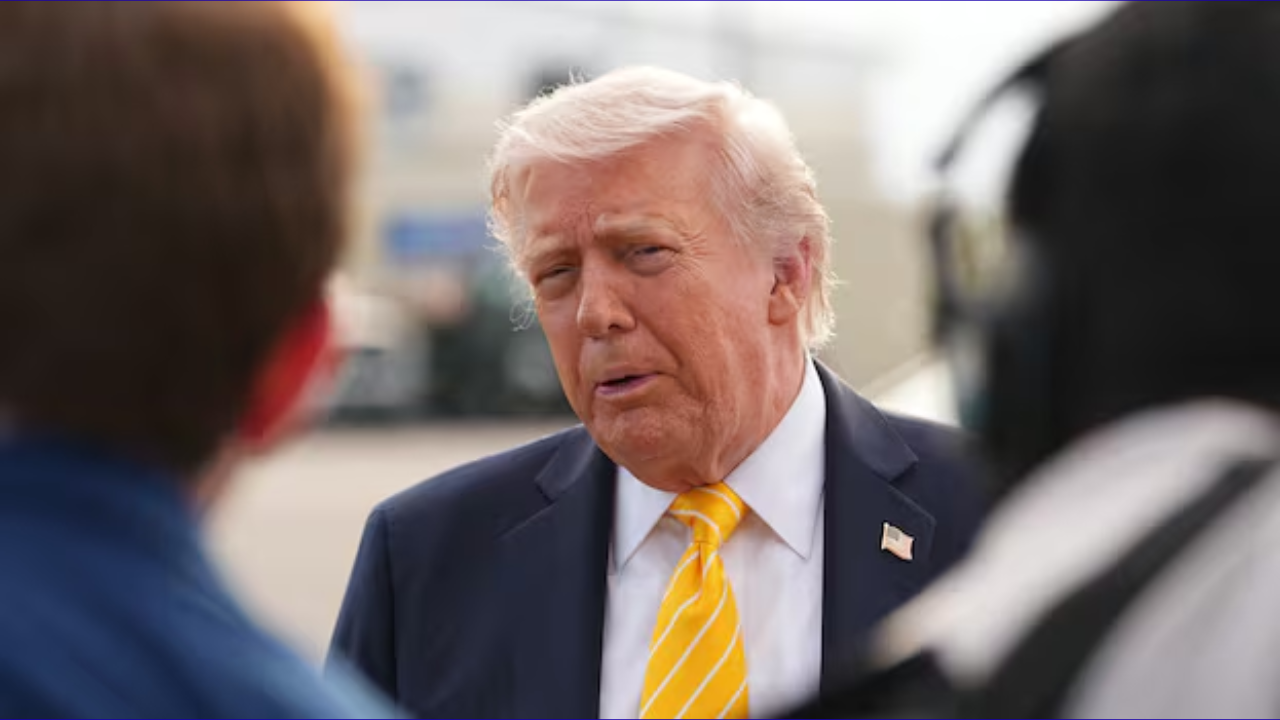
President Donald Trump confirmed on May 2, 2026, that the administration is officially reviewing a 14-point proposal from Tehran. The document, delivered via Pakistani mediators, outlines a potential path to ending the current war and lifting the U.S. naval blockade.
Thank you for reading this post, don't forget to subscribe!Components of the 14-Point Plan
- Fixed Timeline: A demand to resolve all hostilities and blockade issues within a 30-day window.
- Maritime Access: A proposed new framework for the Strait of Hormuz to allow for the resumption of international shipping.
- Security Demands: Requirements for the full lifting of U.S. sanctions and the withdrawal of American military forces from the region.
- Nuclear Sequencing: A commitment to discuss nuclear enrichment only after a primary deal to end the blockade and war is finalized.
The Administration’s Response
- Skepticism on Terms: In recent statements, Trump suggested that Iran has not yet “paid a big enough price” for the escalation to warrant the concessions requested.
- Leverage of the Blockade: Trump characterized the current naval blockade as “friendly” and uncontested, signaling that the U.S. feels no immediate pressure to lift it without significant Iranian compromise.
- Military Contingency: While expressing a preference to avoid renewed kinetic strikes on a “human basis,” the President emphasized that military options remain fully prepared if diplomacy fails.
Regional Impact
The conflict, which intensified in early 2026, continues to strain global energy markets due to the volatility surrounding the Strait of Hormuz. Despite a standing three-week ceasefire, the U.S. has cautioned international shipping firms that complying with Iranian “tolls” in the waterway could lead to severe legal and financial sanctions.