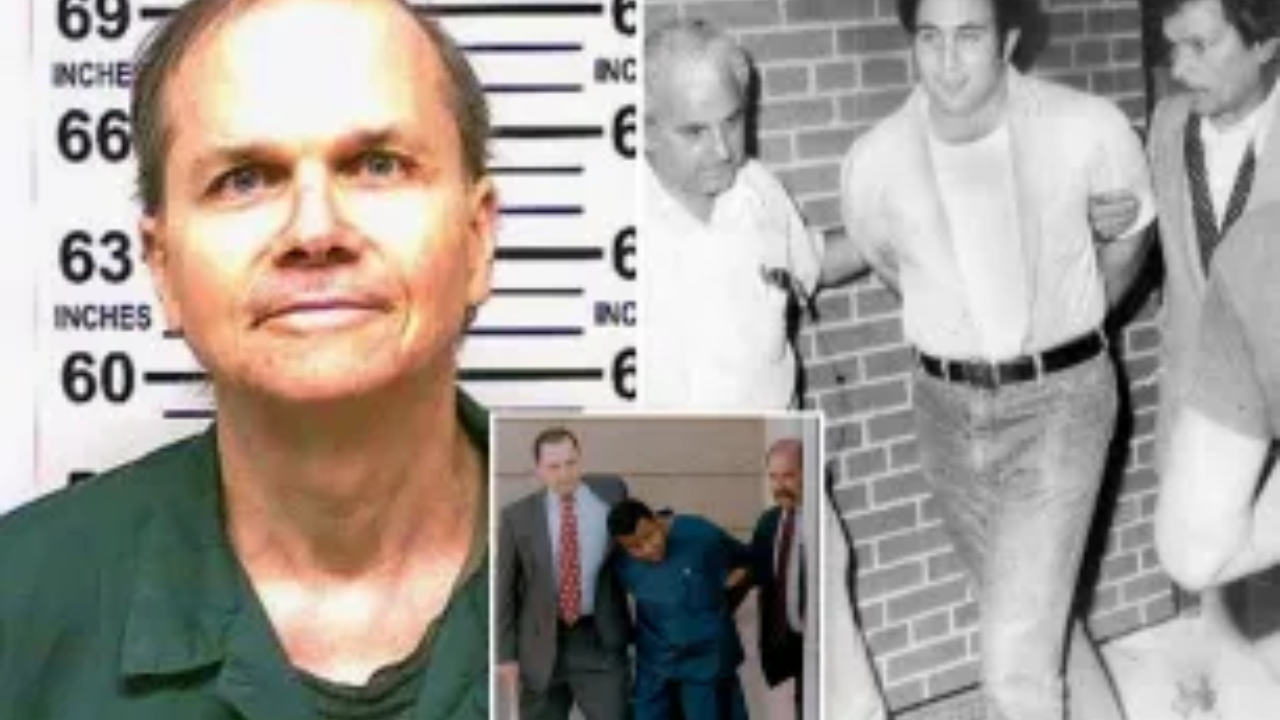
Recent headlines have sparked intense debate over two New York legislative proposals. Often labeled “woke” by critics and “humanitarian” by supporters, these bills could change the parole process for some of the state’s most high-profile inmates, including David Berkowitz (“Son of Sam”) and Mark David Chapman (John Lennon’s assassin).
Thank you for reading this post, don't forget to subscribe!What the Bills Actually Propose
The controversy centers on two specific pieces of legislation:
- The Elder Parole Bill: This would require the Parole Board to grant an interview to any incarcerated person aged 55 or older who has already served at least 15 years.
- The Fair and Timely Parole Bill: This would shift the standard for release. Instead of focusing primarily on the nature of the original crime, the board would be required to grant parole unless the individual poses a current, clear threat to public safety.
The Impact on Notorious Inmates
The new legislation wouldn’t grant them an automatic “get out of jail free” card; rather, it would change the criteria the board uses to evaluate them. To date, both men have been denied parole over a dozen times each, with the board citing the “extreme depravity” of their actions and the threat to public welfare.
The Two Sides of the Argument
| Arguments for Reform | Arguments Against Reform |
| Costs: Caring for elderly inmates in maximum security is significantly more expensive than parole. | Justice for Victims: Critics argue that for certain heinous crimes, life should mean life without exception. |
| Rehabilitation: Advocates believe the system should reward change rather than focusing solely on punishment. | Public Safety: Opponents fear the “current threat” standard is too subjective and could lead to dangerous releases. |
| Recidivism: Statistics show that elderly individuals have the lowest rates of re-offending. | Accountability: Many feel these bills undermine the original intent of the judges’ sentences. |