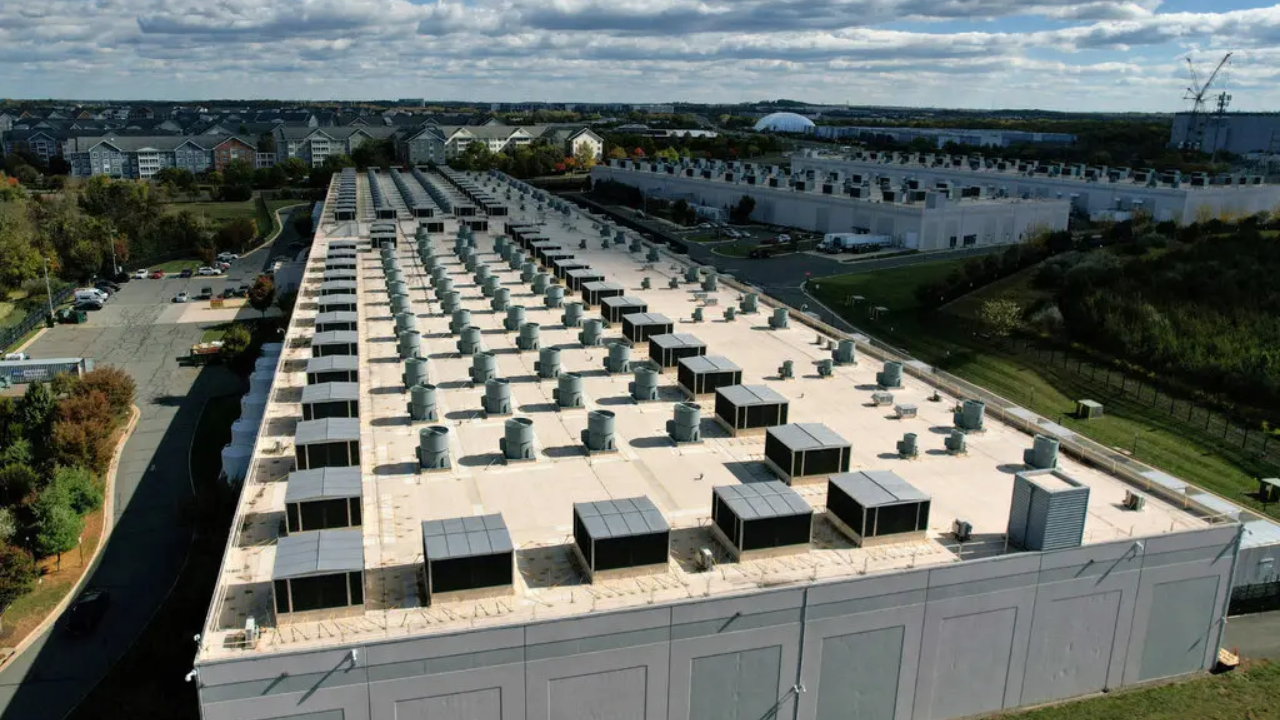
Governor Janet Mills vetoed LD 307 on April 24, 2026, blocking what would have been the first statewide pause on large-scale data centers in the United States.
The “Jay” Conflict
- Economic Impact: The former Androscoggin Mill site is currently being converted into a $550 million data center.
- The Veto Logic: Mills argued that because the town has spent two years securing this project to replace lost industrial jobs, the moratorium would unfairly penalize a community already in economic transition.
- The Stance: “A moratorium is appropriate,” Mills wrote in her veto letter, “But the final version of this bill fails to allow for a specific project in the Town of Jay that enjoys strong local support.”
Current Status and Outlook
The fate of the moratorium now rests with the Maine Legislature:
- Override Attempt: Lawmakers could attempt to override the veto, though this requires a two-thirds majority in both chambers.
- Revision: The legislature may draft a new version of the bill that includes a “carve-out” for the Jay project to satisfy the Governor’s requirements.
Why It Matters
Maine has recently seen a surge in “hyperscale” data center proposals. While these bring investment, they have also sparked significant community pushback regarding rising utility costs and the high water consumption required to cool massive server farms. This veto highlights the growing tension between state-level environmental goals and local economic recovery.

Suresh holds a Master of Commerce (M.Com) degree and is a dedicated personal finance researcher and writer. Combining his advanced academic background in commerce with deep industry research, he covers complex topics like taxation, banking systems, credit analysis, and personal finance strategies. As the founder of Tax Assistant (taxassistant.org), Suresh is committed to translating complicated financial guidelines and economic data into simple, accurate, and actionable educational resources for everyday readers.