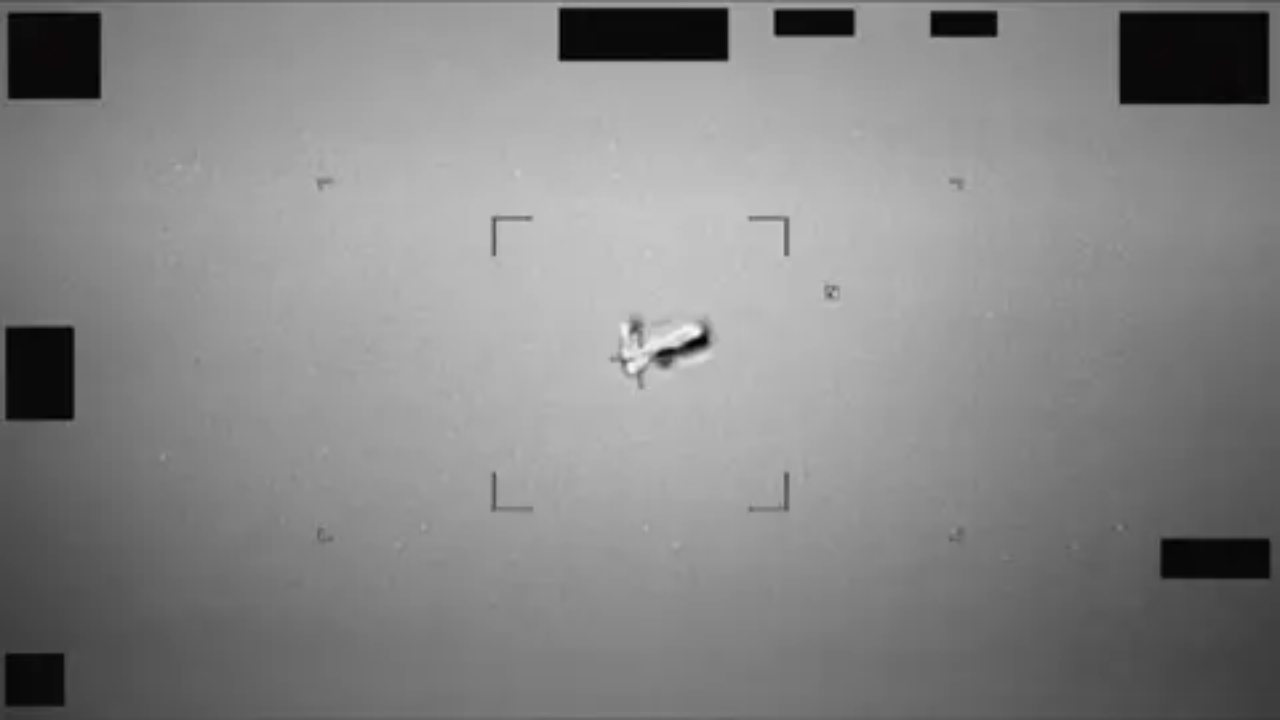
The “disclosure” clock just hit midnight. Following months of speculation and a direct push for transparency, the Pentagon has officially released a massive tranche of 162 declassified files related to Unidentified Anomalous Phenomena (UAP).
But the question remains: is this the “smoking gun” we’ve been waiting for, or just a very expensive paper trail? Here is what you need to know:
The “Retro” Release
In a move that feels like a nod to the 1940s origins of the phenomenon, the DoD launched these files on a new portal featuring a vintage typewriter aesthetic. The contents span decades, including:
- Apollo 17 Mysteries: Transcripts and photos from the final Moon mission, including a 1972 image of three mysterious “triangular dots” that analysts are now reassessing.
- FBI & State Dept. Cables: Internal communications detailing high-level discussions on sightings that date back to the Cold War.
The “No-Alien” Wall
Despite the volume of data, the Pentagon’s official narrative hasn’t budged. Their conclusion? There is still no verifiable evidence of “non-human biologics” or extraterrestrial technology.
To many in the community, this feels like a “slow-walk.” While we got 160+ files, researchers point out that the 46 high-definition videos cited by whistleblowers in recent Congressional hearings were nowhere to be found in this batch.
The Fight Continues
Lawmakers like Tim Burchett aren’t satisfied, calling for “full disclosure, not curated history.” The Pentagon says more releases are coming on a rolling basis, but the skeptics are loud: Is this transparency, or just a well-managed archive of things they’ve already debunked?

Suresh holds a Master of Commerce (M.Com) degree and is a dedicated personal finance researcher and writer. Combining his advanced academic background in commerce with deep industry research, he covers complex topics like taxation, banking systems, credit analysis, and personal finance strategies. As the founder of Tax Assistant (taxassistant.org), Suresh is committed to translating complicated financial guidelines and economic data into simple, accurate, and actionable educational resources for everyday readers.