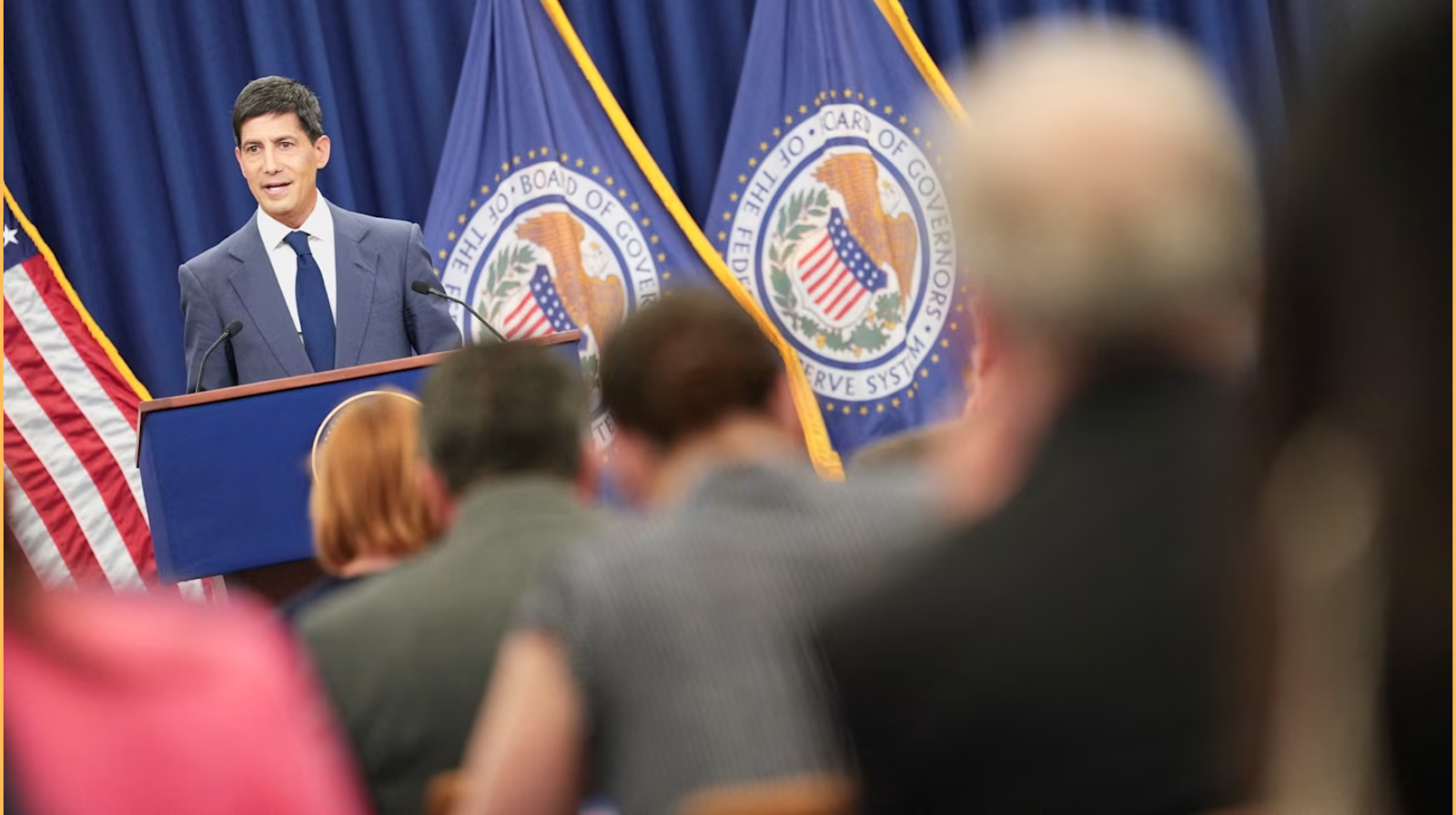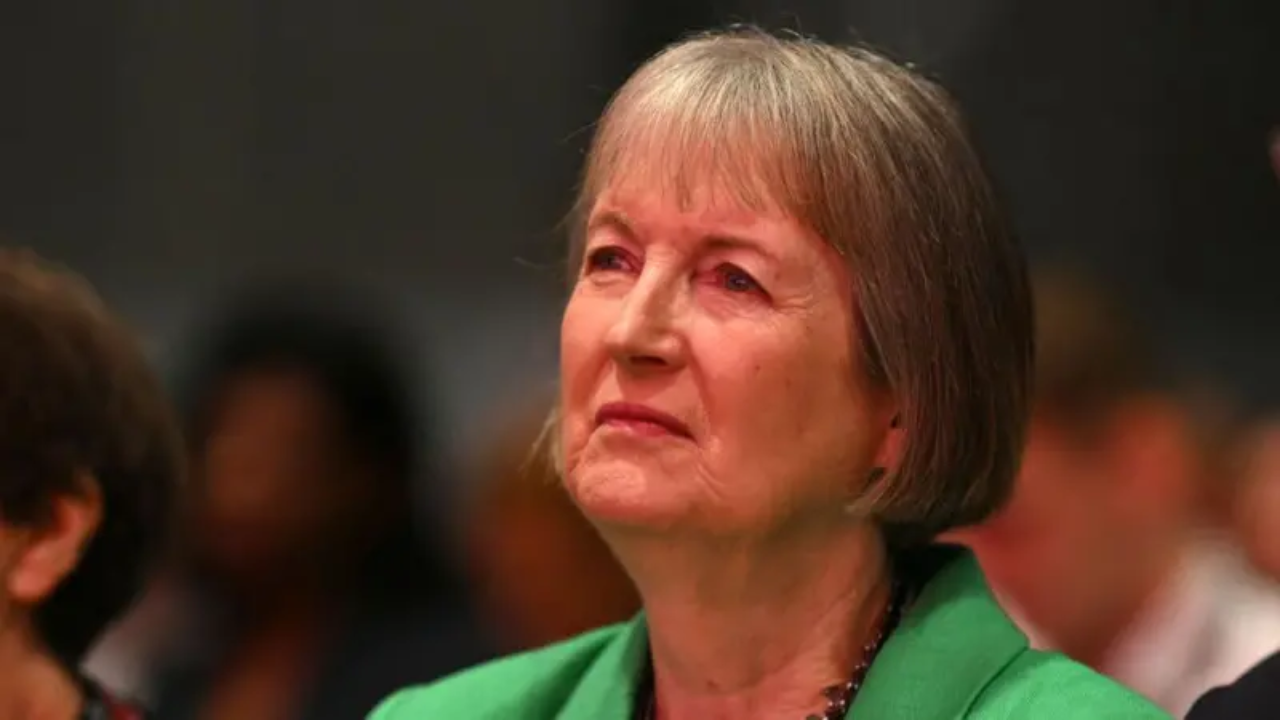
Following a bruising set of local and regional election results this May, the narrative surrounding Sir Keir Starmer’s leadership has shifted from “if” he stays to “how” he must change. While high-ranking Labour veterans—including former deputy leadership figures—agree that a leadership coup would be premature, the consensus is clear: the Prime Minister needs to “step up“ immediately.
Thank you for reading this post, don't forget to subscribe!The May 2026 Wake-Up Call
The “step up” demand is a direct reaction to a map that turned increasingly purple and green last week:
- The Reform UK Surge: Nigel Farage’s party successfully breached the “Red Wall,” flipping veteran Labour councils in the North and Midlands.
- A Welsh Crisis: For the first time in nearly three decades, Labour has lost its grip on the Welsh Government, a symbolic and practical blow to Starmer’s “unity” platform.
- The pincer movement: While Reform siphons working-class votes on the right, the Green Party has made significant inroads in Labour’s urban strongholds, leaving the party’s middle-ground strategy looking increasingly hollow.
What “Stepping Up” Actually Means
Inside the party, the critique isn’t just about survival—it’s about substance. Allies and critics alike are pointing to three key areas for a 2026 “reset”:
- Economic Boldness: With the cost-of-living crisis still biting, there is a push for Starmer to move past “fiscal responsibility” rhetoric and deliver tangible relief in the upcoming King’s Speech.
- Reconnecting with the Base: Critics like John McDonnell argue the party has become too “Westminster-centric.” “Stepping up” means speaking a language that resonates in Barnsley and Sunderland, not just North London.
- The “Pilot” Defense: Supporters like David Lammy have doubled down, arguing that Starmer is the only one who can navigate the current “global turbulence.” Their message: Keep the pilot, but change the flight path.
The Road Ahead
Starmer has dismissed calls for a departure timetable, choosing instead to focus on a major policy pivot. The focus now shifts to May 13, when the government is expected to unveil a more aggressive legislative agenda on energy and housing—a final attempt to prove that the “Starmer Project” still has teeth.