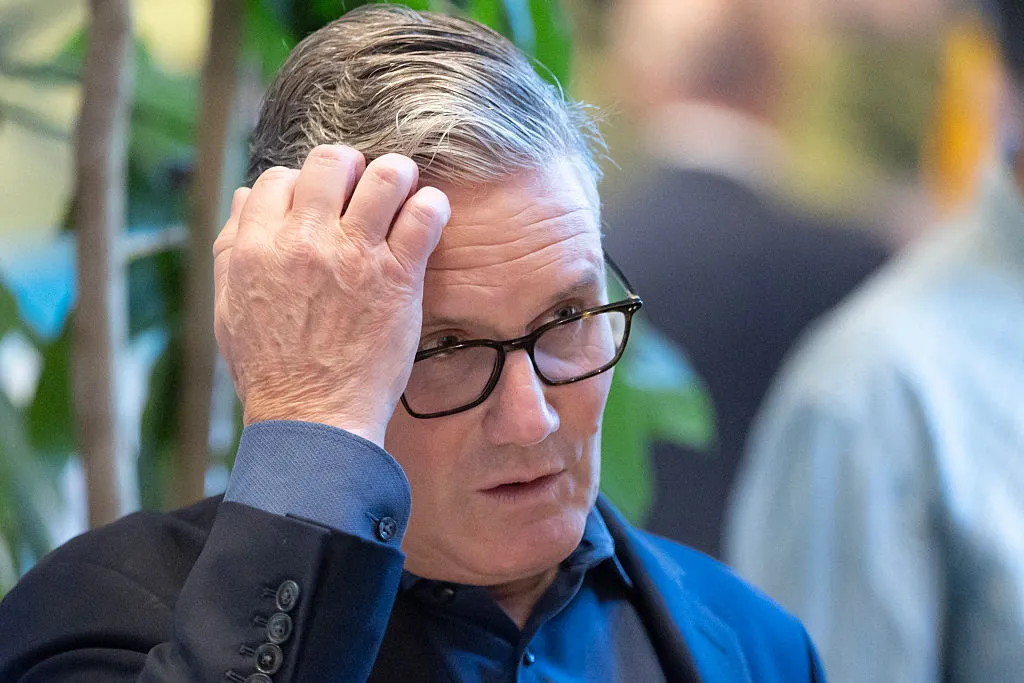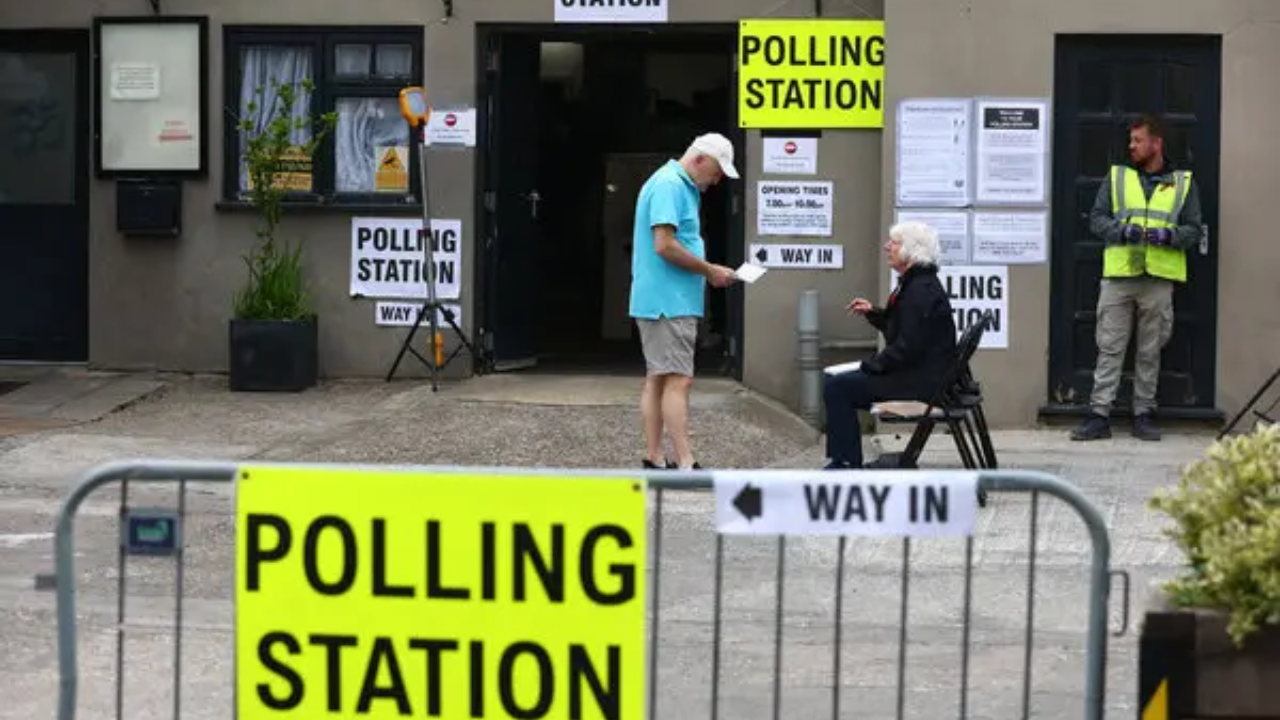
The 2026 U.K. local elections have sent shockwaves through Westminster, delivering a brutal blow to Prime Minister Keir Starmer’s Labour government less than two years after its landslide victory. The results suggest the “political honeymoon” is not just over—it has ended in a historic realignment.
Thank you for reading this post, don't forget to subscribe!A Seismic Shift in Local Power
The municipal and parliamentary results from Thursday reveal a map that has been radically redrawn:
- Labour’s Retreat: The party hemorrhaged over 1,300 council seats, losing symbolic strongholds like Westminster and Wandsworth. These losses represent a significant rejection of the current government’s trajectory.
- The Reform UK Surge: Under Nigel Farage, Reform UK has transitioned from a pressure group to a dominant local force, seizing over 1,400 seats. Their victory in Hartlepool and control of councils like Newcastle-under-Lyme marks a breakthrough for the party.
- The Devolved Picture:
- In Wales: Labour’s century-long dominance is under threat, as Plaid Cymru looks poised to become the largest party in the Senedd.
- In Scotland: The SNP has held its ground, leaving Labour potentially relegated to third place behind the Conservatives.
- Alternative Gains: The Liberal Democrats and the Green Party both capitalized on the swing away from the two main parties, securing significant gains across the country.
The Crisis in Downing Street
While Keir Starmer has acknowledged the “drubbing” and accepted responsibility, the internal and external pressures are mounting rapidly:
- Internal Rebellion: Rumors of a leadership challenge are intensifying. Reports suggest high-level anxiety within the Cabinet, with some figures allegedly urging Starmer to establish a clear succession plan.
- Public Discontent: The results are being interpreted as a protest against the pace of economic recovery and a backlash against recent political controversies.
- Starmer’s Stance: The Prime Minister remains defiant, vowing to stay the course to avoid “national chaos,” even as Reform UK positions itself as the primary opposition in many former Labour heartlands.
“The message is clear: the country wants faster change. I was elected to deliver that, and I intend to see it through.” — Keir Starmer
The 2026 elections may well be remembered as the moment the U.K.’s traditional two-party system faced its greatest challenge, with the electorate increasingly looking toward insurgent parties for solutions.