Following the U.K.’s passage of the Tobacco and Vapes Act 2026, which officially received Royal Assent this week, Canada is now seriously weighing a similar policy. Here is a breakdown of the current landscape:
Thank you for reading this post, don't forget to subscribe!1. The Federal Stance
On April 28, 2026, Federal Health Minister Majorie Michel confirmed that the Canadian government is evaluating a rolling-age ban. This policy would permanently prohibit tobacco sales to anyone born after a specific year (likely 2008 or 2009). While no bill has been tabled yet, officials are studying the U.K. model as a blueprint for Canada’s own “smoke-free” future.
2. Projected Health and Economic Impact
New modeling from Health Canada and the University of Ottawa suggests a “smoke-free generation” law would be transformative:
- Life Expectancy: It could save approximately 480,000 quality-adjusted life years over the next five decades.
- Fiscal Savings: It is projected to slash $2.3 billion in direct healthcare costs by preventing tobacco-related illnesses before they start.
- The Target: Canada aims to reduce smoking prevalence to less than 5% by 2035. Experts argue that without this ban, reaching that goal is unlikely.
3. Provincial Momentum
The interest isn’t limited to the federal level. British Columbia has signaled strong support, with Health Minister Josie Osborne calling the U.K. vision “fantastic.” If federal legislation stalls, B.C. and potentially other provinces may look into implementing their own regional bans.
4. How the “Rolling-Age” Ban Works
Unlike a standard age hike, this policy ensures the legal age for buying tobacco increases by one year, every year.
- The Cutoff: Anyone currently 17 or younger would never legally be old enough to buy tobacco products.
- Focus on Sales: The law targets the retailer, not the user, to avoid criminalizing youth while gradually phasing out the commercial market.
Comparison: 2026 Smoking Landscape
| Metric | Canada | United Kingdom |
| Current Smoking Rate | ~11% | ~12% |
| Endgame Goal | <5% by 2035 | Smoke-free by 2030 |
| Primary Challenge | Rise in youth vaping | Balancing personal liberty |
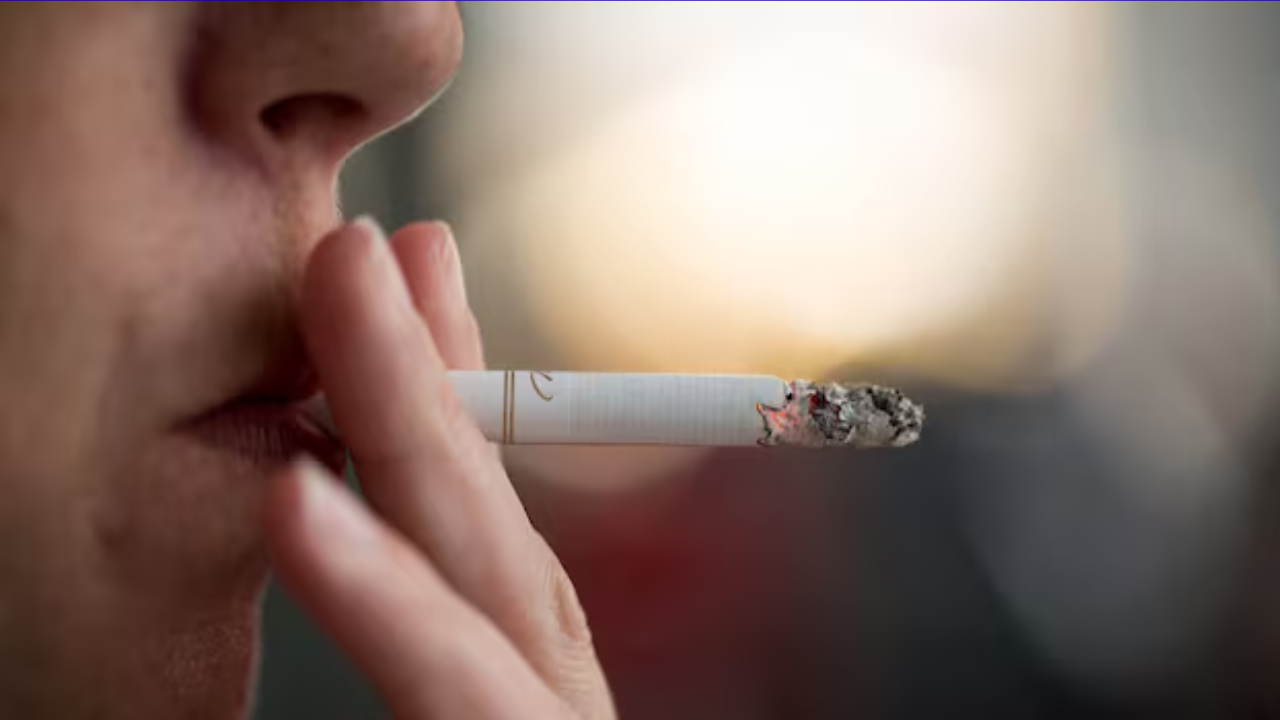
While Canada was the first country to mandate health warnings on individual cigarettes, the debate over a total generational ban will likely hinge on the tension between public health savings and individual freedoms.
Do you think a rolling-age ban is more effective than simply raising the minimum age to 21?