As of May 2026, the Labour Party is navigating a precarious political landscape. Following a series of local election setbacks and slow progress on key campaign promises, the party’s leadership is issuing a stern warning: turning inward now would be “ludicrous.”
Thank you for reading this post, don't forget to subscribe!Here is a look at the pressures currently defining the Westminster landscape:
The Unity Crisis
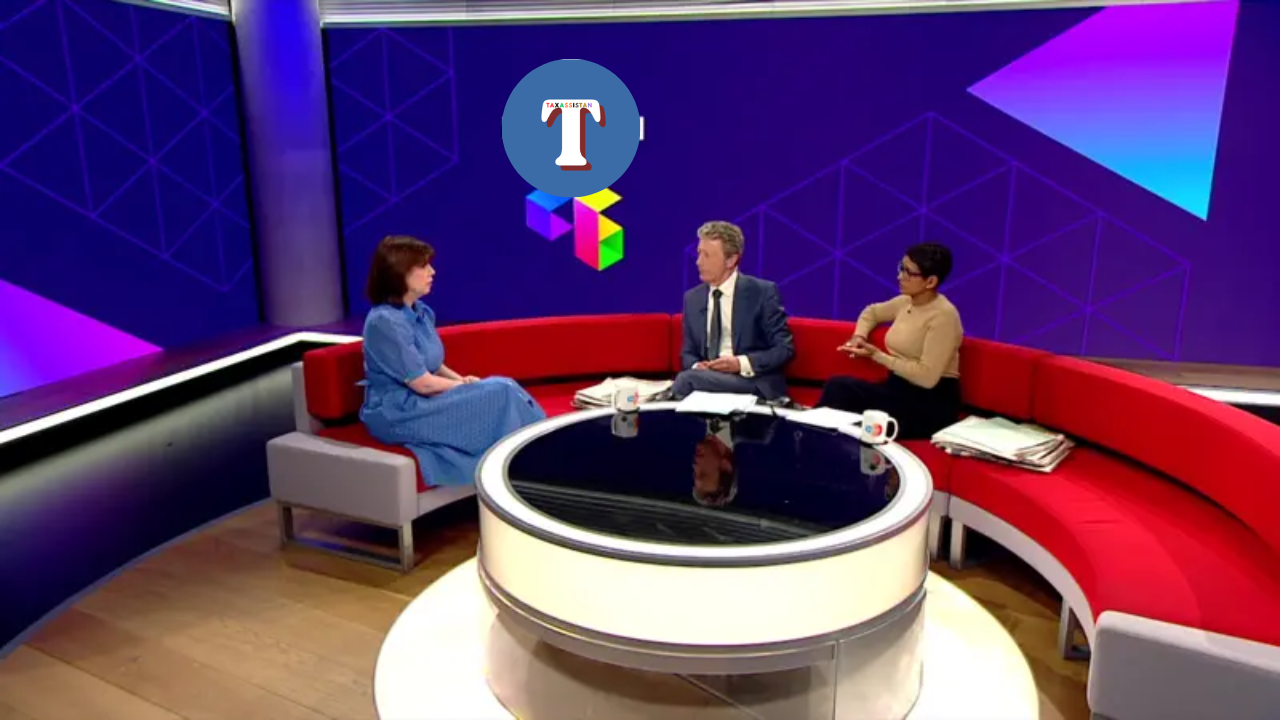
The Deputy Leader’s warning comes amid reports of growing factionalism. The primary concern is that a party seen “turning in on itself” so soon after a historic mandate would appear incompetent to a public already frustrated by the pace of “change.”
- The “Post-Starmer” Jockeying: While Keir Starmer remains Prime Minister, several high-profile figures—notably Angela Rayner, Andy Burnham, and Ed Miliband—are increasingly viewed as the “soft-left” alternative.
- The Burnham Influence: Greater Manchester Mayor Andy Burnham’s recent appearances alongside “progressive alliance” figures have fueled speculation about his Westminster ambitions, much to the frustration of party loyalists who see it as a distraction from government business.
The Pressure Points
The government is currently caught between several difficult realities:
- Economic Friction: Controversial fiscal decisions, such as previous cuts to winter fuel payments and tax adjustments, have strained the party’s relationship with its core base.
- The Electoral Squeeze: Labour is facing a “two-front war,” with Reform UK gaining ground on the right and a burgeoning “progressive alliance” pulling voters from the left.
The Bottom Line
The current messaging from the cabinet is a plea for discipline. The leadership argues that while internal debate is healthy, an open civil war would be politically fatal—risking a “downward spiral” that could make the 2024 victory look like a fleeting moment rather than a lasting shift in British politics.