The U.S. economy saw a notable 2% annualized growth in the first quarter of 2026, marking a significant recovery from the 0.5% slump at the end of last year. However, the numbers tell a story of two different economies: a surging public sector and a retreating American consumer.
The Engine Room: Government and Tech
The growth wasn’t driven by retail therapy, but by institutional momentum:
- Government Rebound: Following the end of the 43-day federal shutdown, government spending surged by 9.3% to 10%, reclaiming ground lost during the gridlock.
- The AI Gold Rush: Despite geopolitical instability, business investment rose 8.7% as corporations continued to fund massive AI infrastructure and data centers.
- Defense Spending: With the conflict in Iran already costing upwards of $25 billion, defense expenditures remain a major, albeit costly, contributor to the GDP.
The Consumer Squeeze: Oil and Inflation
While the headline number is positive, the “kitchen table” economy is tightening:
- Spending Slump: Personal consumption growth slowed to 1.6%, down from 1.9% as households grew more cautious.
- The “Hormuz” Effect: With oil prices peaking at $126 per barrel due to the Strait of Hormuz blockade, energy costs have pushed inflation (PCE) to a sharp 4.5%.
- Reduced Purchasing Power: Higher prices at the pump and in the grocery aisles are effectively neutralizing the gains felt in other sectors.
The Policy Dilemma
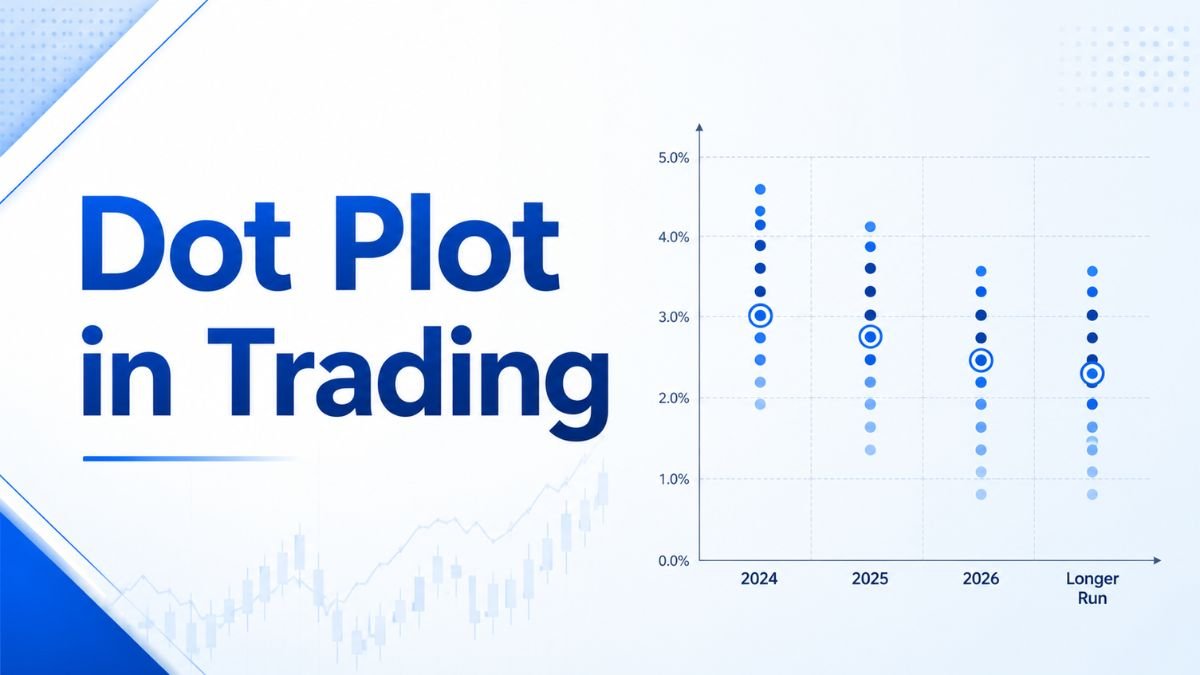
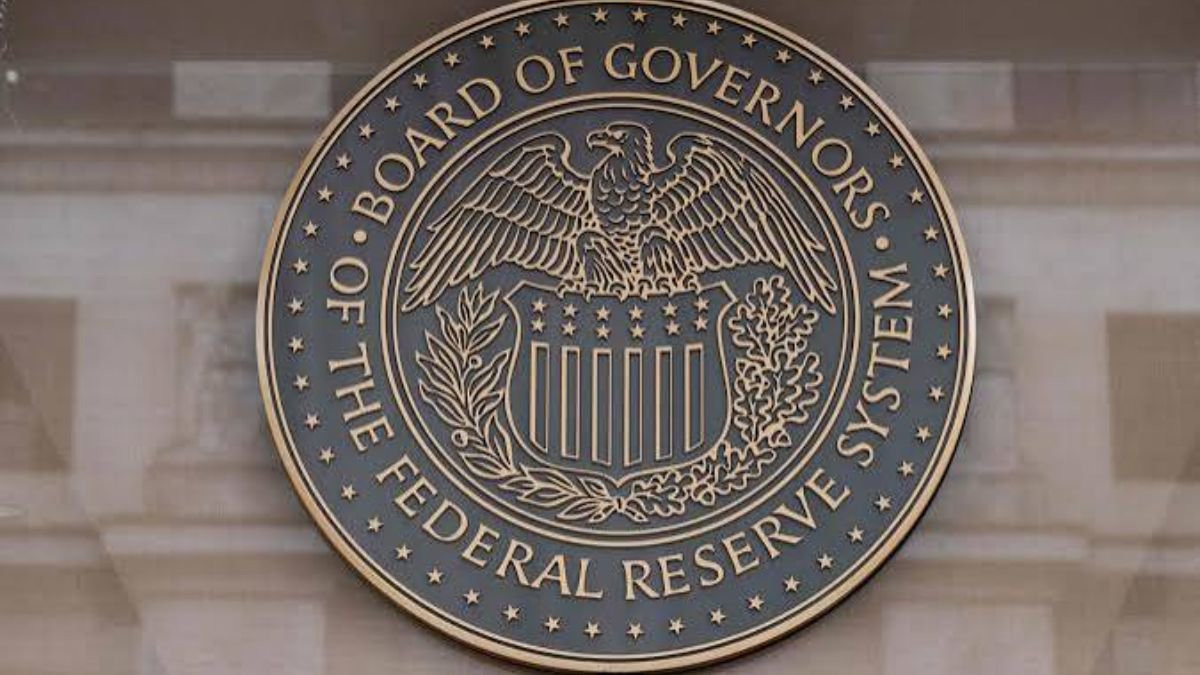
The Federal Reserve is currently caught in a “political bind.” Outgoing Chair Jerome Powell is facing a difficult choice: raise interest rates to combat war-driven inflation or lower them to appease a White House seeking to maintain economic momentum during the conflict.

Suresh holds a Master of Commerce (M.Com) degree and is a dedicated personal finance researcher and writer. Combining his advanced academic background in commerce with deep industry research, he covers complex topics like taxation, banking systems, credit analysis, and personal finance strategies. As the founder of Tax Assistant (taxassistant.org), Suresh is committed to translating complicated financial guidelines and economic data into simple, accurate, and actionable educational resources for everyday readers.