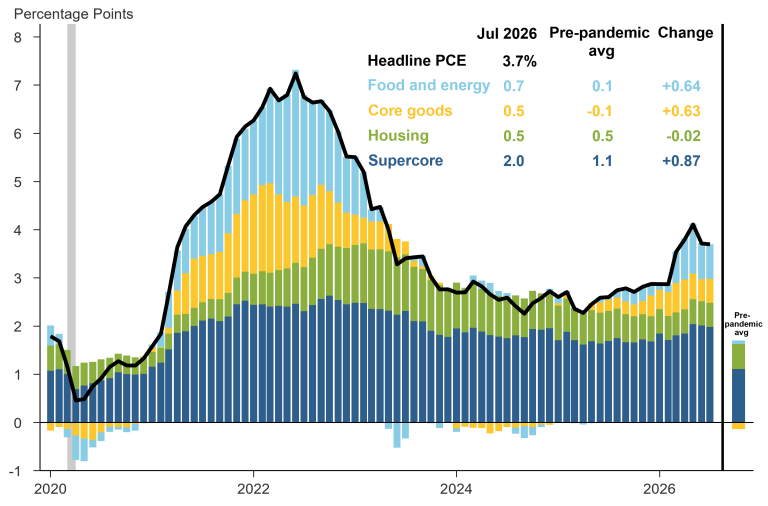
While gas prices usually grab the headlines, your monthly insurance premium is likely the bigger drain on your wallet. In 2025, insurance inflation hit 2.8%, pushing the average full-coverage premium up to $190 a month. Unfortunately, these costs aren’t likely to drop soon, as repair costs, climate risks, and vehicle values remain high.
Here is why your rates are rising and—more importantly—how you can lower them.
5 Reasons Your Rates Are Rising
- High Repair Costs: Modern cars are packed with expensive tech. Replacing a bumper now involves recalibrating sensors and cameras, making even minor repairs costly.
- Increased Claim Severity: Insurers are paying out more per accident due to rising medical costs and higher legal settlements.
- Climate Impact: Frequent severe weather (hail, floods, and wildfires) has forced insurers to raise rates across entire regions to cover catastrophe losses.
- Vehicle Value: As the price of new and used cars stays high, the cost for an insurer to “total” a vehicle has skyrocketed.
- External Economic Factors: Tariffs on auto parts and labor shortages in mechanic shops continue to drive up the baseline cost of keeping cars on the road.
11 Ways to Lower Your Premium
- Audit Your Coverage: Review your policy limits. If you drive an older car with low market value, you might consider dropping collision or comprehensive coverage.
- Maintain a Clean Record: Safe driving is the single best way to avoid “surcharges.” Even one speeding ticket can haunt your premium for three years.
- Opt for a “Sensible” Vehicle: Before buying a car, check its insurance group. High-performance or luxury vehicles are significantly more expensive to insure than standard sedans or crossovers.
- Try Telematics: Use a “usage-based” app or plug-in device. If you are a safe, low-mileage driver, these programs can offer substantial discounts.
- Stack Your Discounts: Don’t assume you’re getting every break. Ask specifically about military, senior, student, or defensive driving course discounts.
- Bundle Your Policies: Combining your auto insurance with your homeowners or renters insurance remains one of the most effective ways to trigger a price drop.
- Boost Your Credit Score: Most insurers use a credit-based insurance score to determine risk. Paying down debt can actually lower your car insurance bill.
- Raise Your Deductible: Moving from a $500 to a $1,000 deductible lowers your monthly payment. Just ensure you have that extra $500 saved in case of an emergency.
- Shop Around Annually: Rates change constantly. Use the table below to see how different insurers compare and don’t be afraid to switch providers.
- Pay in Full: Many companies charge “installment fees.” Paying your 6-month or 1-year premium upfront can save you a percentage of the total cost.
- Low-Mileage Discount: If you’ve started working from home or your commute has shortened, notify your insurer. You may qualify for a lower rate based on reduced exposure.
Monthly Premium Comparison (Full Coverage)
| Insurer | Avg. Monthly Premium |
| American Family / Farm Bureau | $151 |
| The Hartford | $153 |
| USAA | $168 |
| Allstate | $180 |
| State Farm | $190 |
| Geico / Progressive | $202 – $205 |
| Liberty Mutual | $216 |
Pro Tip: If your rates went up even though you haven’t had an accident, it’s likely a “ZIP code adjustment.” Insurers often raise rates for entire neighborhoods based on local theft or accident trends.

Suresh holds a Master of Commerce (M.Com) degree and is a dedicated personal finance researcher and writer. Combining his advanced academic background in commerce with deep industry research, he covers complex topics like taxation, banking systems, credit analysis, and personal finance strategies. As the founder of Tax Assistant (taxassistant.org), Suresh is committed to translating complicated financial guidelines and economic data into simple, accurate, and actionable educational resources for everyday readers.