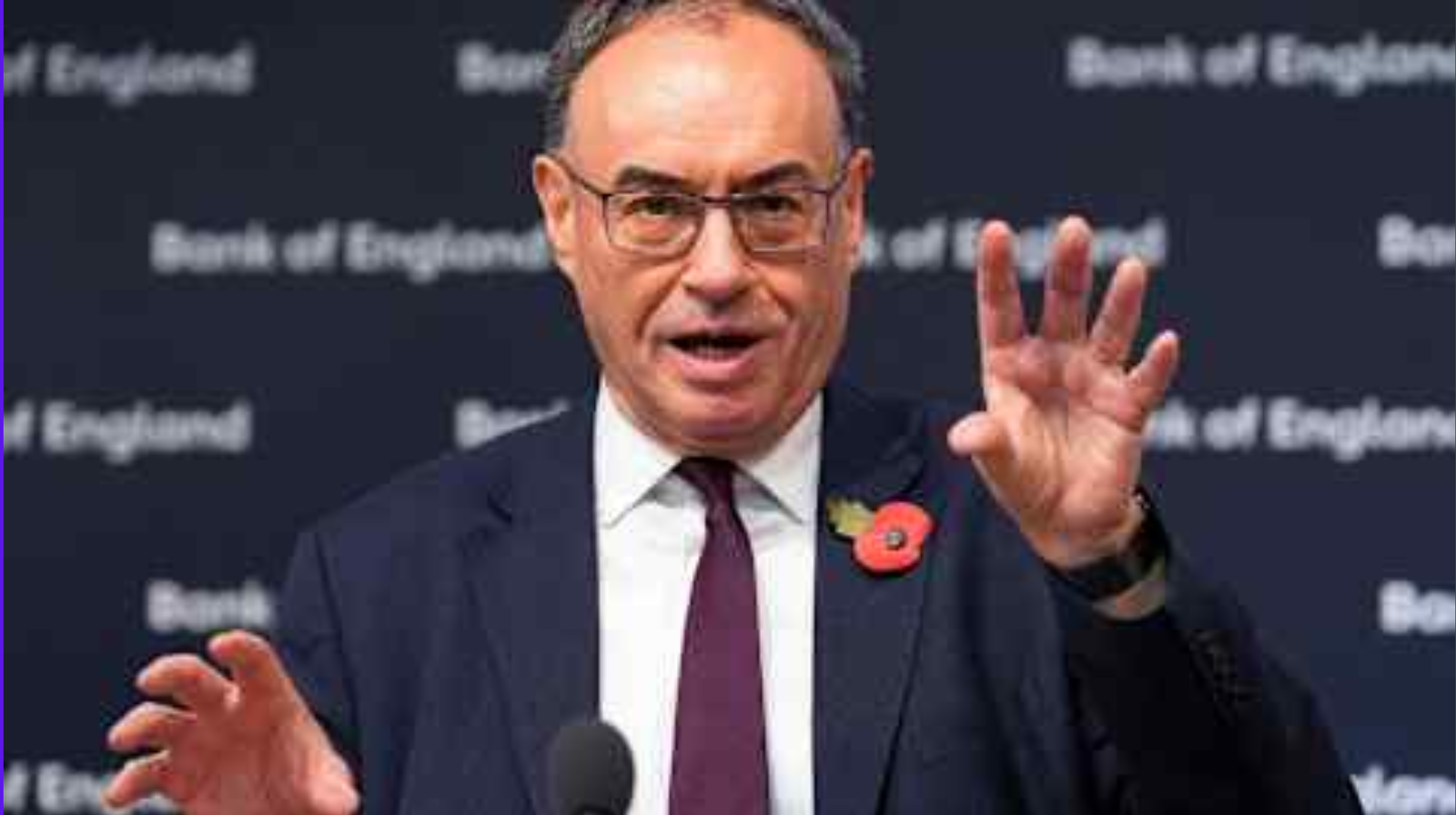
The Bank of England’s Monetary Policy Committee (MPC) is locked in a high-stakes tug-of-war. Rate-setters are forced to weigh a rapidly cooling domestic economy against lingering structural inflation risks.
Thank you for reading this post, don't forget to subscribe!While headline inflation has moderated, internal split markers show a clear divergence: is weakening demand about to pull inflation below target, or are structural pressures too deeply entrenched to risk aggressive rate cuts?
With the Bank Rate held restrictively at 3.75%, the committee is sharply divided. Here is a breakdown of the competing economic signals driving their upcoming decisions.
The Dovish Case: Demand Weakness and Labor Slump
A growing faction of the MPC argues that the primary threat has shifted from runaway inflation to economic over-correction. They point to signs that high interest rates have successfully choked off demand:
- Labor Market Cooling: Recent data shows a steady decline in payrolled employees alongside an uptick in the headline unemployment rate, signaling that the tight post-pandemic job market is unraveling.
- Wage Growth Deceleration: Private-sector wage growth—particularly in retail, hospitality, and construction—has decelerated sharply, easing the primary driver of domestic price pressures.
- The Undershoot Risk: If demand weakens too aggressively, it creates structural slack in the economy. Doves worry this will drag economic activity down and cause inflation to significantly undershoot the BoE’s $2\%$ medium-term target unless the central bank pivots to a looser policy.
The Hawkish Case: Structural Inflation and Fiscal Pressures
Conversely, hawkish members maintain that cutting rates too quickly could reignite inflation. They argue that demand isn’t softening evenly, and structural risks remain elevated:
- Sticky Services & Public Pay: Services inflation remains stubbornly high, and recent public sector wage increases are tracking well above levels consistent with a stable $2 target.
- Corporate Cost Shocks: Businesses face compounding supply-side pressures, including increased employer National Insurance Contributions (NICs) and volatile global energy markets. Hawks fear these costs will inevitably be passed on to consumers.
- De-anchored Expectations: Public surveys show short-term inflation expectations among consumers have ticked upward. This risks a self-fulfilling cycle where workers demand higher wages to keep up with anticipated price hikes.
Data Grid: The Policy Crosswinds
The MPC’s split is highly visible across three core macroeconomic indicators:
| Indicator | Current Trajectory | The Dovish Interpretation | The Hawkish Interpretation |
| Private Sector Wages | Easing downward | Demand is broken; rate cuts are needed immediately to preserve growth. | Growth is still too high to guarantee a permanent, stable return to target. |
| Labor Market | Rising unemployment / Falling payrolls | The economy is loosening rapidly, neutralizing domestic price pressures. | Hidden structural shortages could easily re-ignite wage pressure if policy loosens. |
| Consumer Spending | Subdued / High household savings | Severe downturn risk; high interest rates are choking off consumer confidence. | Pent-up household savings could spark a demand surge if interest rates drop too fast. |
The Bottom Line
“Demand weakness leading inflation risks” means the BoE is approaching a tipping point. If the UK economy cools faster than forecasted, the MPC will be forced to shift its focus from fighting sticky prices to aggressively cutting rates to avert a recession. Until services and wage data show a synchronized, permanent drop, expect a highly contentious, meeting-by-meeting battle.
Reed more….https://www.ft.com/uk-economy
Editing by-katie willimase

Suresh Kumar Saini is a financial researcher specializing in US Personal Finance, Online Banking, and US Tax Guides, helping individuals navigate complex financial systems.