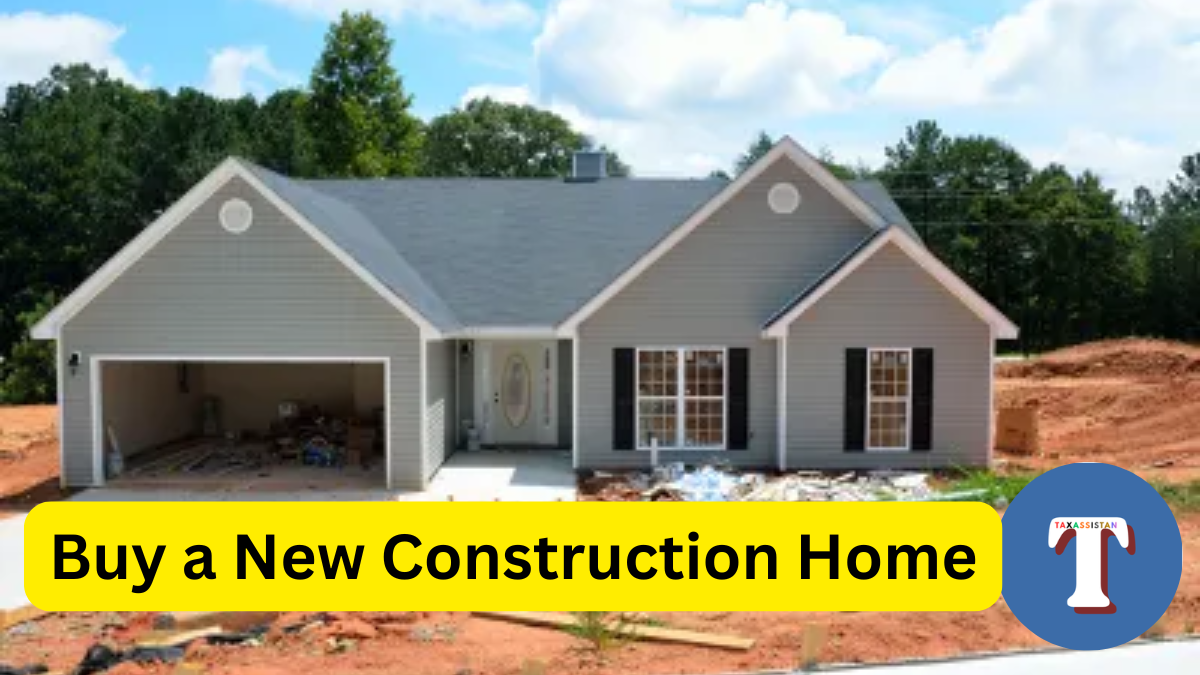
As traditional buyers struggle with steep home prices and high mortgage rates, an affordable alternative is hiding in plain sight: new construction.
Unlike individual homeowners, large home builders are highly motivated to move inventory. In many parts of the country, they are aggressively cutting prices, throwing in upgrades, and offering below-market mortgage rates. However, these deals come with regional limitations and financial fine print.
Here is what you need to know to decide if buying new is the right move for you.
1. The Regional Divide: Location Dictates Your Leverage
The benefits of buying new are entirely dependent on where you live. Builders are responding to market conditions, but their inventory varies wildly by region:
- High Leverage (South and West): Builders in these regions have ample inventory. To move homes quickly, they are offering the most aggressive price reductions, flexible financing options, and buyer incentives.
- Low Leverage (Northeast and Midwest): Available land and new construction remain tight. Builders in these areas still command premium pricing, and deep discounts are rare.
2. The Power (and Pitfalls) of Builder Financing
The biggest advantage of buying new right now is the mortgage rate gap. By negotiating bulk loan packages with preferred lenders, builders are securing financing deals well below standard market rates.
In late 2025, new-construction buyers secured an average 30-year fixed rate of 5.27%, compared to 6.26% for existing homes—a massive 99-basis-point advantage.
Common Builder Incentives:
- Lower Down Payments: New construction buyers averaged a 15.7% down payment, beating the 17.8% average for existing homes.
- Rate Buydowns: Programs like a 2/1 buydown lower your interest rate by 2% in the first year and 1% in the second year before locking into the market rate for the remainder of the loan.
- Perks and Upgrades: Free closing costs, blinds, high-end appliances, and upgraded finishes are frequently thrown in to close deals.
The Trade-Off — Thin Equity: Buying a home with a lower down payment and a subsidized price puts less money down up front. If home values experience a temporary dip, you run a higher risk of ending up “underwater” (owing more than the home is worth).
3. Don’t Get Fooled by the Fine Print
Builder financing can be a powerful affordability tool, but it is rarely “one-size-fits-all.” Protect your wallet by watching out for these two common traps:
- The Headline Rate vs. The APR: A builder might advertise an incredibly low rate (e.g., 3.75%). However, if the Annual Percentage Rate (APR) is significantly higher (e.g., 5.22%), it means the builder is packing heavy upfront fees or future payment adjustments into the loan. Always compare loan offers using the APR.
- Hidden Purchase Costs: Some builders inflate the base listing price of the home to offset the “free” upgrades or closing costs they offer you.
4. The Pros and Cons at a Glance
| Pros | Cons |
| Lower Upfront Costs: Reduced down payments and closing cost credits. | Suburban Commutes: New developments are often built further out where land is cheaper. |
| Lower Monthly Payments: Subsidized below-market interest rates. | Construction Delays: Setbacks with supply chains or labor can delay your move-in date. |
| Fewer Immediate Costs: Brand-new appliances, modern energy efficiency, and builder warranties. | Sparse Landscaping: Yards and neighborhoods can take years to mature and fill out. |
The Verdict: How to Safely Play the Market
If you want a modern, energy-efficient home and live in a high-inventory region, it is an excellent time to buy new. To make sure you get a genuine deal, follow these three non-negotiable steps:
- Get a Second Opinion: Take the builder’s loan estimate to an independent mortgage lender to ensure they aren’t hiding fees. Even if you stick with the builder, a second quote gives you negotiating leverage.
- Focus on the Long-Term Cost: When opting for adjustable rates or temporary buydowns, calculate exactly what your payment will be in year three and beyond—not just what you can afford today.
- Hire Your Own Inspector: Never skip a home inspection just because a house is new. Sloppy construction, poor drainage, and faulty insulation happen. An independent inspector is your best defense before final sign-off.

Suresh holds a Master of Commerce (M.Com) degree and is a dedicated personal finance researcher and writer. Combining his advanced academic background in commerce with deep industry research, he covers complex topics like taxation, banking systems, credit analysis, and personal finance strategies. As the founder of Tax Assistant (taxassistant.org), Suresh is committed to translating complicated financial guidelines and economic data into simple, accurate, and actionable educational resources for everyday readers.